
Hormonal Therapy for Endometriosis: Pills, IUDs, and What Actually Helps

Dr Mannan Gupta
Medically Reviewed by Dr. Mannan Gupta On Aug 22, 2026
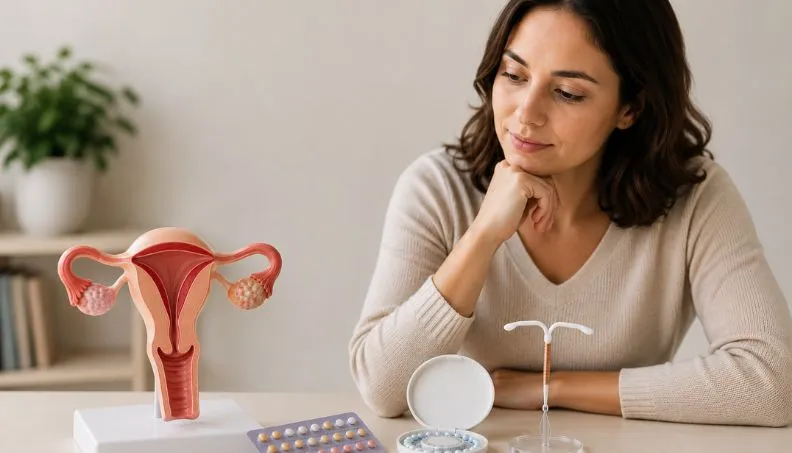
If your doctor just mentioned “starting you on hormonal therapy” for your endometriosis and you’re not entirely sure what that means beyond birth control, you’re not alone in feeling that way.
I’m Dr. Mannan Gupta, IVF Specialist and Obstetrician & Gynaecologist at Dr. Mannan IVF Centre in New Delhi, and this is one of the most common treatment conversations I have.
Hormonal treatment for endometriosis in Delhi usually means one of a few options, pills, a hormonal IUD, or in some cases stronger medication, and each works a little differently. Let’s go through what each one actually does.
Key Takeaways
- Hormonal therapy works by lowering estrogen or thinning the uterine lining, which slows down endometriosis activity
- Birth control pills are usually the first option tried, especially in a continuous regimen that skips your period
- A hormonal IUD is excellent for period-related pain, but it doesn’t treat endometriosis tissue outside the uterus
- These treatments manage symptoms, they don’t cure the underlying disease
- Since these are all contraceptive methods, they’re not the right path if you’re actively trying to conceive
What Is Hormonal Therapy for Endometriosis, and How Does It Work?
Hormonal therapy works by reducing the estrogen that fuels endometriosis tissue, which helps calm the inflammation and pain that come with it.
- This is usually a conversation that happens after diagnosis is already confirmed or clinically suspected. If you’re earlier in that process, we’ve covered how that step works in How Endometriosis Is Diagnosed: What to Actually Expect.
- Most hormonal treatments fall into two broad categories, estrogen-progestin combinations (like the standard birth control pill) and progestin-only options (like certain pills, injections, or the hormonal IUD).
- This is genuinely first-line treatment for most patients, meaning we usually try it before considering surgery, unless your case specifically calls for a different approach.
- In my practice, I explain this clearly upfront: this is about managing your symptoms day to day, not eliminating the disease itself.
How Do Birth Control Pills Help With Endometriosis Symptoms?
Combined birth control pills reduce period pain and heavy bleeding by thinning the uterine lining and suppressing ovulation.
- They’re often the first medication tried, largely because they’re accessible, affordable, and well understood.
- Many doctors, myself included, recommend taking them continuously, meaning you skip the placebo week and don’t have a monthly period. This tends to give better pain control than the standard cyclic pattern.
- Progestin-only pills are an alternative if you can’t take estrogen for medical reasons, and they work through a similar principle of thinning the uterine lining.
- Effectiveness varies from person to person. Some women get strong relief, others find their pain returns or persists, and that’s not a failure on your part, it just means we look at other options together.

Dr Mannan IVF Centre
Experience world-class fertility care with Dr. Mannan Gupta at the Best IVF Centre in Delhi
How Is a Hormonal IUD Different From the Pill?
A hormonal IUD releases a steady, low dose of progestin directly into the uterus, which is particularly effective for period-related pain and heavy bleeding.
- Unlike the pill, which you take daily, a hormonal IUD is placed once and can work for several years, which many patients find more manageable.
- It’s especially useful if your main symptom is heavy, painful periods, since it thins the uterine lining locally and consistently.
- Here’s the important distinction I always make clear: a hormonal IUD does not travel outside the uterus, so it doesn’t directly treat endometriosis implants elsewhere in the pelvis. It manages a specific symptom pattern well, but it isn’t treating the whole disease.
- A copper IUD, in contrast, has no hormonal effect and isn’t used for endometriosis symptom relief. This distinction matters, since patients sometimes assume any IUD will help.
When Might Your Doctor Suggest a Stronger Option Like GnRH Agonists?
GnRH agonists are typically considered when standard hormonal therapy hasn’t given enough relief, since they suppress estrogen more completely.
- These medications work by temporarily putting your ovaries into a low-estrogen state, which can meaningfully reduce endometriosis activity.
- They tend to be more effective at shrinking disease activity, but they come with more noticeable side effects, including hot flashes and, with longer use, some impact on bone density.
- Because of this, they’re usually used for a limited duration, sometimes alongside additional medication to soften those side effects.
- How much relief to expect from any option often comes back to how advanced the disease is, something we break down in Endometriosis Stages Explained and Treatment by Stage.
- This isn’t typically a first option. It’s usually reserved for cases where pills or the IUD haven’t managed symptoms adequately or before certain surgical procedures.
What Are the Side Effects, and Who Shouldn't Use Hormonal Therapy?
Most patients tolerate hormonal therapy well, but it’s not automatically the right fit for everyone, and this needs an honest conversation before you start.
- Common, manageable side effects include breakthrough spotting, mood changes, or breast tenderness, particularly in the first few months.
- If you have a history of blood clots, certain types of migraine (especially with visual disturbances), or you smoke and are over 35, estrogen-containing options may not be safe for you, and we’d look at progestin-only alternatives instead.
- Family history matters too. If you have a personal or family history of clotting disorders, I want to know that before prescribing anything with estrogen.
- This is exactly why hormonal therapy should be started under medical guidance, not self-selected from what worked for a friend or family member.
Does Hormonal Therapy Cure Endometriosis or Just Manage It?
Hormonal therapy manages symptoms while you’re using it. It does not cure endometriosis or make the underlying tissue disappear permanently.
- Symptoms are often well controlled for as long as you’re on treatment, but they can return once you stop.
- This is a genuinely reasonable long-term strategy for many women, especially if pregnancy isn’t an immediate goal, since it keeps pain and bleeding manageable over years.
- If hormonal therapy stops working well, or your pain returns despite treatment, that’s usually the point where we discuss whether surgical evaluation makes sense.
- You can see the full range of options we consider at that stage, hormonal and surgical, on our Endometriosis Treatment in New Delhi page. There’s no reason to feel discouraged if hormones alone don’t fully resolve your symptoms. It simply means your treatment plan needs to evolve with you.
What If You're Trying to Conceive?
Since every hormonal therapy option for endometriosis is also a form of contraception, none of them are used while you’re actively trying to get pregnant.
- This is something I make sure every patient understands clearly, because it changes the entire treatment conversation.
- If you’re managing endometriosis symptoms now but plan to conceive later, we can plan the timeline around that, including when to stop hormonal treatment.
- If you’re trying to conceive right now and endometriosis is affecting your fertility, the conversation shifts toward fertility-focused options instead, which may include surgical evaluation or assisted reproduction depending on your case.
- These are two different treatment paths, and knowing which one you’re on matters for how we plan your care.
If you’re unsure whether hormonal therapy, surgery, or a fertility-focused approach is right for your situation, I see patients for endometriosis management and treatment planning at Dr. Mannan IVF Centre in New Delhi. You can reach the clinic directly at 97116 81986 to discuss what fits your specific case.
Conclusion
Hormonal therapy is one of the most effective tools we have for managing day-to-day endometriosis symptoms, whether that’s the pill, a hormonal IUD, or, in some cases, a stronger option like a GnRH agonist.
None of these cure the disease, but they can genuinely give you your daily life back while you’re using them.
What matters most is choosing the option that fits your symptoms, your health history, and whether pregnancy is part of your near-term plans. That’s a conversation worth having directly with your doctor, not something to figure out from general advice online.
Frequently Asked Questions
Can I get pregnant right after stopping birth control used for endometriosis?
Yes, fertility typically returns fairly quickly after stopping the pill, though with a hormonal IUD it may take a short while for your natural cycle to fully resume.
Does the hormonal IUD hurt when it's inserted?
Most women feel cramping or discomfort during insertion, which is usually brief, though your doctor can discuss options to make the process more comfortable for you.
How long can I safely stay on birth control for endometriosis?
Many women use it safely for years as a long-term management strategy, though it’s worth having regular check-ins with your doctor to reassess your specific situation.
Will my symptoms come back immediately if I stop treatment?
Not always immediately, but symptoms often do return over time since the underlying disease is still present, which is why most women stay on treatment long-term if it’s working.
Is Depo-Provera a good option for endometriosis pain?
It can be effective for some women, since it works similarly to other progestin-only methods, though it’s given as an injection every three months rather than daily or through an IUD.
Can hormonal therapy help if I've already had endometriosis surgery?
Yes, many doctors recommend hormonal therapy after surgery to help delay or reduce the chances of symptoms and disease returning.
Does weight gain happen with hormonal treatment for endometriosis?
Some women notice mild changes, though it varies significantly by individual and by the specific method used, so it’s worth discussing your concerns directly with your doctor.
Is it normal to have irregular spotting when starting hormonal therapy?
Yes, this is common in the first few months as your body adjusts, and it typically settles down, though persistent or heavy spotting should be discussed with your doctor.
Can I switch from the pill to an IUD if it's not working well for me?
Yes, switching between hormonal options is common if your current treatment isn’t managing your symptoms well, and your doctor can guide that transition.
Do teenagers with endometriosis get hormonal therapy too?
Yes, hormonal therapy is often used for younger patients as well, with the specific option chosen based on individual health history and symptoms.
Medical Disclaimer:
The information provided on this platform is for general educational and informational purposes only. It is not intended to be a substitute for professional medical advice, diagnosis, or treatment. Always seek the advice of a qualified healthcare provider with any questions you may have regarding a medical condition.
