
IVF Treatment in New Delhi
Create embryos outside the body for higher success in overcoming infertility barriers.Personalized cycles with monitoring for healthy pregnancies on your timeline.
Key Facts
- Assisted reproduction
- Fertilisation outside
- Bypasses natural barriers
- Age dependent success
- Multiple infertility causes
For any IVF / Fertility related query, concern or help, just call us
IVF treatment in New Delhi may help individuals and couples experiencing certain fertility problems, including blocked fallopian tubes, some forms of male infertility and infertility that has not responded to other treatments. Whether IVF is the right option depends on your age, fertility history, test results and reproductive goals.
At Dr Mannan IVF Centre in Lajpat Nagar, New Delhi, I begin by understanding your medical history and previous fertility treatment before discussing the available options. IVF is not necessary for everyone experiencing difficulty conceiving, so the first step is to establish what may be affecting fertility and which treatment is appropriate.
What is In Vitro Fertilisation (IVF)?
In vitro fertilisation, commonly called IVF, is a fertility treatment in which eggs are collected from the ovaries and combined with sperm in a laboratory. If fertilisation occurs and an embryo develops, an embryo may be transferred into the uterus.
In natural conception, fertilisation usually occurs inside a fallopian tube. IVF allows fertilisation to take place outside the body and can help overcome certain barriers to conception.
An IVF procedure generally includes these stages:
- Ovarian stimulation using prescribed medicines.
- Ultrasound monitoring and blood tests when needed.
- Egg retrieval from the ovaries.
- Fertilisation using conventional IVF or, when indicated, intracytoplasmic sperm injection (ICSI).
- Embryo development and assessment in the laboratory.
- Embryo transfer, either during the same cycle or in a later frozen embryo transfer cycle.
- Pregnancy testing at the time advised by your fertility specialist.
Not every egg will fertilise, and not every fertilised egg will develop into an embryo suitable for transfer. IVF does not guarantee pregnancy, and the likely outcome varies between patients.
If you are considering IVF treatment in Delhi, a fertility consultation can help determine whether IVF, IUI, medication or another approach is more appropriate for your situation.
Who May Need IVF Treatment?
IVF may be considered when certain conditions make natural conception less likely or when other fertility treatments have not resulted in pregnancy. The decision should be based on an assessment of both partners when applicable.
IVF may be discussed in situations such as:
- Blocked or severely damaged fallopian tubes: IVF bypasses the fallopian tubes, allowing fertilisation to take place in the laboratory.
- Male factor infertility: Some sperm-related problems may require IVF, sometimes with ICSI.
- Endometriosis: IVF may be considered when endometriosis affects fertility or when other appropriate treatment has not helped.
- Unexplained infertility: IVF may be an option after a fertility evaluation and discussion of earlier treatments.
- Reduced ovarian reserve or increasing reproductive age: Treatment planning may need to account for egg quantity, likely response and age-related changes.
- Previous unsuccessful fertility treatment: IVF may be considered after unsuccessful IUI or other treatments, depending on the underlying reason.
- Certain inherited genetic conditions: IVF may be combined with embryo genetic testing in selected cases when there is a relevant medical indication.
IVF is not automatically required for every person experiencing infertility. Some patients may benefit from ovulation induction, IUI, treatment of an underlying condition or further evaluation before IVF is considered.
The choice of treatment depends on your age, duration of infertility, ovarian reserve, sperm parameters, fallopian tube health, medical history and previous treatment. If you are unsure where to begin, an assessment for female infertility treatment in New Delhi can help clarify the possible causes and next steps.
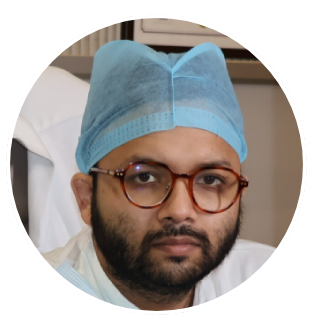
Dr Mannan IVF Centre
Experience world-class fertility care with Dr. Mannan Gupta at the Best IVF Centre in Delhi
The IVF Process: Step-by-Step
The IVF treatment process involves several stages. The exact schedule and medication protocol depend on your medical history and how your body responds to treatment.
1. Ovarian Stimulation
Hormonal medicines are used to encourage the ovaries to develop multiple follicles, which may contain eggs. The dose and duration are individualised.
Ultrasound scans and, when appropriate, blood tests help the fertility team monitor your response. Not everyone produces the same number of follicles or eggs.
2. Egg Retrieval
When the follicles are ready, egg retrieval is performed using a needle guided by ultrasound. Medication or anaesthesia is used according to the procedure and clinical plan.
You may experience some cramping, bloating or discomfort afterwards. Your clinic should explain what to expect during recovery and which symptoms need prompt medical attention.
3. Fertilisation
The collected eggs are taken to the embryology laboratory and combined with sperm.
In conventional IVF, eggs and sperm are placed together under laboratory conditions. In IVF with ICSI, an embryologist injects a single sperm into a mature egg. ICSI may be recommended for certain sperm-related or fertilisation concerns; it is not necessary for every IVF cycle.
4. Embryo Culture
After fertilisation, embryos are monitored as they develop. Depending on their development and the treatment plan, embryos may be assessed at an earlier stage or cultured to the blastocyst stage.
Not every embryo will continue developing or be suitable for transfer. Your fertility team can explain the laboratory findings and their implications for the next step.
5. Embryo Transfer
A selected embryo is placed into the uterus using a thin catheter. The procedure is generally brief and usually does not require general anaesthesia.
Depending on your treatment plan, a fresh embryo transfer may be considered, or embryos may be frozen for transfer in a later cycle. The decision depends on clinical factors such as your response to stimulation, embryo development and the risk of complications.
6. Pregnancy Testing
Your fertility specialist will tell you when to take a pregnancy test after transfer. A blood test for beta-hCG may be recommended.
Testing too early can lead to confusion, so follow the timing provided by your clinic. A positive result is followed by further assessment and ultrasound at the appropriate stage to evaluate the pregnancy.
Success Rates and Realistic Expectations
IVF success rates vary from person to person. Age is an important factor, but it is not the only one. Ovarian reserve, sperm factors, embryo development, the cause of infertility, uterine health and previous treatment can also affect the likelihood of pregnancy.
Factors your fertility specialist may consider include:
- Age and relevant medical history.
- Ovarian reserve and response to stimulation.
- Number of eggs retrieved and their maturity.
- Fertilisation and embryo development.
- Sperm parameters.
- Uterine and endometrial findings.
- Previous IVF or other fertility treatment.
- Whether the outcome being discussed is a positive pregnancy test, clinical pregnancy or live birth.
These outcomes are not interchangeable. When reviewing a clinic’s published success figures, ask which outcome is measured, which patients are included and whether the figures refer to each transfer or a complete treatment cycle.
Some patients become pregnant after one cycle, while others may need additional treatment or may not achieve pregnancy. There is no guaranteed number of cycles or guaranteed outcome.
During your consultation, ask for an explanation of the factors most relevant to your case rather than relying on a single success percentage that may not reflect your individual circumstances.
Cost of IVF Treatment in New Delhi
The IVF treatment cost in New Delhi depends on the treatment protocol, medication requirements, investigations and additional procedures that may be needed. A quoted cycle price may not include every medicine, test or laboratory service.
The current page lists these approximate costs. The clinic should confirm the figures and inclusions before publication.
Treatment | Approximate Cost in Delhi |
Standard IVF Cycle | ₹1,25,000 – ₹1,75,000 |
IVF with ICSI | ₹1,50,000 – ₹2,00,000 |
Embryo Freezing (Optional) | ₹30,000 – ₹50,000 |
These are indicative prices displayed on the page, not a confirmed quotation. The final amount may depend on:
- Initial fertility investigations.
- Stimulation medicines and monitoring.
- Egg retrieval and related procedure charges.
- Whether conventional IVF or ICSI is used.
- Embryo freezing and storage charges.
- Frozen embryo transfer, if required.
- Additional investigations or procedures when medically indicated.
Before starting treatment, ask the clinic for a written estimate that explains what is included, which services are optional, how long embryo storage is covered and what may be charged separately.
For a personalised estimate, call +91 9711681986 to enquire about a consultation at Dr Mannan IVF Centre.
Parenthood Starts with One Brave Conversation
Schedule a consultation with Dr. Mannan Gupta for honest answers and personalized fertility care.
Why Choose Dr Mannan IVF Centre?
Choosing an IVF centre involves more than comparing treatment prices. It is important to understand the assessment process, who will guide your treatment, how laboratory procedures are selected and how the clinic communicates costs and risks.
At Dr Mannan IVF Centre in Lajpat Nagar, New Delhi, a consultation can help you discuss:
- Individual fertility assessment: Your medical history, investigations and previous treatment are reviewed before a plan is made.
- Treatment options: IVF, ICSI, IUI or other approaches may be discussed according to the clinical findings.
- Personalised planning: Medication and monitoring are adjusted to your circumstances and response.
- Clear cost discussions: Ask which tests, medicines, laboratory services and procedures are included in your estimate.
- Risk counselling: Your fertility team should explain relevant risks, including ovarian hyperstimulation syndrome (OHSS), and how your treatment may be adjusted if needed.
- Follow-up guidance: You should know when to attend appointments, whom to contact with concerns and what to expect after embryo transfer.
The most suitable treatment is the one that fits your medical needs and reproductive goals. Ask questions until you understand the proposed plan, its alternatives, likely costs and limitations.
Emotional Support and Wellness
IVF can be physically and emotionally demanding. Hormonal medication, repeated appointments, uncertainty about the outcome and the waiting period after embryo transfer can all create stress.
Try to keep your routine manageable during treatment. Eat a balanced diet, follow your prescribed medicines, avoid smoking and discuss alcohol use with your doctor.
Regular sleep and appropriate physical activity can also support general health.
You do not need to manage every concern on your own. If you feel anxious about your treatment, discuss it with your fertility team so that your concerns can be addressed during the process.
Conclusion
IVF can be an option for people experiencing certain fertility problems, but it is not the right first treatment for everyone. The decision depends on your diagnosis, age, ovarian reserve, sperm parameters, previous treatment and reproductive goals.
At Dr Mannan IVF Centre in New Delhi, a fertility consultation can help you understand the required investigations, treatment stages, likely costs and possible risks before deciding on the next step.
Frequently Asked Questions (FAQs)
1. Is the egg retrieval procedure painful?
Egg retrieval is performed using medication or anaesthesia to keep you comfortable. You may experience mild cramping, pelvic discomfort or bloating after the procedure, but your recovery depends on your individual response.
2. Does IVF increase the chance of twins or triplets?
The risk of multiple pregnancy can increase when more than one embryo is transferred. Single embryo transfer can reduce this risk, although the appropriate number of embryos to transfer depends on your individual treatment plan.
3. How many days do I need to take off work?
The time needed away from work varies according to your treatment and how you feel. Many routine IVF appointments do not require a full day off, while egg retrieval may require time for the procedure and recovery.
4. What happens to extra embryos?
Suitable embryos remaining after a transfer may be frozen using embryo-freezing techniques. If you later need another embryo transfer, frozen embryos may allow treatment without repeating ovarian stimulation and egg retrieval.
5. Are IVF babies healthy?
Most children born after IVF are healthy. However, some risks can be influenced by factors such as parental age, underlying infertility and other medical conditions.
6. How long does IVF treatment take?
The IVF timeline varies according to the treatment protocol, ovarian response, embryo development and type of embryo transfer planned. Your fertility specialist can provide a more specific timeline after assessment.
7. What tests are needed before IVF?
The tests depend on your medical and fertility history. Your doctor may recommend ovarian reserve assessment, ultrasound, hormone testing, semen analysis and other investigations when clinically appropriate.
8. Is IVF suitable for everyone with infertility?
No. IVF is not automatically the first treatment for every patient with infertility. The appropriate treatment depends on the cause of infertility, age, ovarian reserve, sperm parameters, previous treatment and other reproductive factors.
9. What is the IVF treatment cost in New Delhi?
The approximate standard IVF cycle cost is ₹1,25,000–₹1,75,000, while IVF with ICSI may cost approximately ₹1,50,000–₹2,00,000. Embryo freezing may cost approximately ₹30,000–₹50,000. Actual expenses can vary according to the individual treatment plan.
10. When should I consult an IVF specialist?
You should consider a fertility consultation when pregnancy has not occurred despite appropriately timed attempts, or sooner when there is a known fertility problem. Conditions such as blocked tubes, significant sperm abnormalities or reduced ovarian reserve may require earlier specialist assessment.
