OHSS After IVF: Symptoms, Prevention, and When to Call Your Doctor
Dr Mannan Gupta
Medically Reviewed by Dr. Mannan Gupta On April 24, 2026
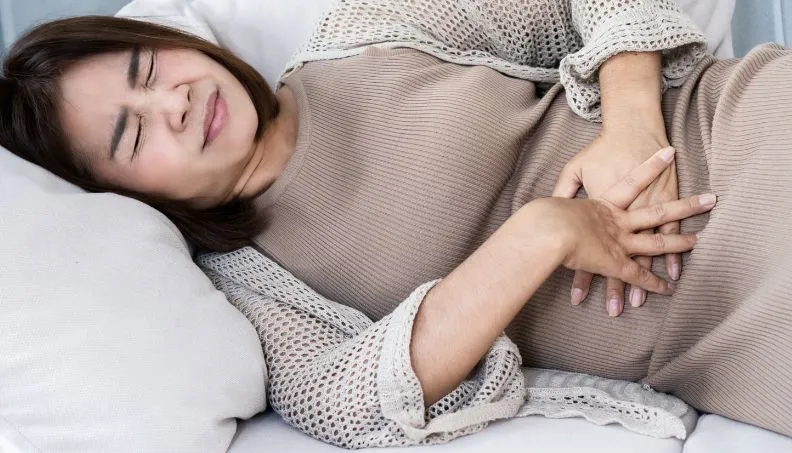
Are you feeling unusually bloated or uncomfortable after your egg retrieval procedure?
Ovarian Hyperstimulation Syndrome (OHSS) is a condition where your ovaries swell and leak fluid into your abdomen because of an exaggerated response to the hormone medications used during IVF.
Most cases are mild and resolve on their own, but knowing the signs is crucial for your safety and peace of mind.
Hello, I am Dr. Mannan Gupta, an IVF Specialist representing Dr. Mannan IVF Centre. At our IVF specialist clinic in New Delhi, we prioritise your safety just as much as your success.
Fertility treatments can feel overwhelming, but understanding how your body reacts to these medications helps you stay in control of your journey.
I want to guide you through what OHSS is, how we prevent it, and exactly when you need to reach out for medical support.
Key Takeaways
- OHSS is an overreaction to injectable fertility hormones, causing swollen ovaries and fluid build-up.
- Most cases are mild and simply require rest, hydration, and careful monitoring at home.
- Severe OHSS is rare but requires immediate medical attention to prevent complications.
- Modern protocols, such as freezing embryos or altering trigger injections, have made severe OHSS highly preventable.
- Sudden weight gain or breathing difficulty means you should call your doctor straight away.
What exactly is Ovarian Hyperstimulation Syndrome (OHSS)?
During a natural menstrual cycle, your body typically matures and releases one egg. However, during in vitro fertilisation, we use hormonal medications to encourage your ovaries to produce multiple eggs at once.
Sometimes, the blood vessels surrounding the ovaries react too strongly to these medications.
This causes the blood vessels to leak fluid into your abdominal cavity, leading to swelling, discomfort, and a heavy feeling in your pelvis.
While this sounds intimidating, please know that mild swelling is a very normal part of the egg stimulation process. It only becomes a syndrome when the fluid leakage begins to affect your daily comfort and bodily functions.
Why does OHSS happen during IVF treatment?
The primary trigger for OHSS is the human chorionic gonadotropin (hCG) hormone. We often use a precise dose of hCG as a ‘trigger shot’ to help your eggs mature just before we retrieve them.
If your ovaries have produced a large number of follicles, they can become highly sensitive to this hCG injection.
Patients with Polycystic Ovary Syndrome (PCOS) or a naturally high egg reserve face a slightly higher risk of this exaggerated response.
If you become pregnant during the same cycle, your body naturally starts producing its own hCG. This can occasionally cause late-onset OHSS, which is why we monitor you so closely after your embryo transfer.
Dr Mannan IVF Centre
Experience world-class fertility care with Dr. Mannan Gupta at the Best IVF Centre in Delhi
What are the early signs and symptoms of OHSS?
Symptoms usually appear within a week after your trigger injection, though they can sometimes take up to two weeks to develop. It is vital to pay attention to your body and communicate any changes to your care team.
We categorise OHSS into mild, moderate, and severe stages. Mild OHSS often presents as gentle bloating, slight nausea, and a feeling of fullness in your lower abdomen.
Severe OHSS, on the other hand, involves rapid fluid shifts that can impact your breathing and kidney function. To help you understand the differences, I have outlined the key symptoms below.
Mild vs. Severe OHSS Symptoms
Feature | Mild to Moderate OHSS | Severe OHSS |
Abdominal Swelling | Mild bloating or tightness | Tight, severely enlarged abdomen |
Pain Level | Mild to moderate pelvic ache | Severe, persistent abdominal pain |
Nausea/Vomiting | Occasional nausea or slight sickness | Persistent, severe vomiting |
Weight Changes | Minor fluctuations | Rapid weight gain (over 1kg in 24 hours) |
Urination | Normal frequency | Significantly decreased urine output |
Breathing | Normal | Shortness of breath or difficulty breathing |
If you are experiencing any of the symptoms in the right-hand column, you must seek medical advice immediately.
Are you looking for a fertility team that prioritises your safety with tailored stimulation protocols? Book an appointment with us at Dr. Mannan IVF Centre. Our dedicated OHSS IVF Treatment Clinic in New Delhi ensures every treatment plan is customised to minimise risks while maximising your chances of a healthy pregnancy. Call us on +91 9711681986 or visit website to schedule your consultation today.
How can we prevent OHSS before it starts?
National health data shows that severe OHSS now occurs in less than 1% of modern IVF cycles.
This dramatic decrease is due to highly advanced, patient-specific preventative strategies used by modern fertility specialists.
Before starting IVF treatment in New Delhi, we conduct a thorough ultrasound and blood test evaluation to assess your risk.
If you have a high risk of OHSS, we lower your starting dose of stimulation medications.
Another highly effective strategy is changing the type of trigger shot. Instead of hCG, we can use a different medication called a GnRH agonist, which drastically cuts the risk of hyperstimulation.
Finally, if we notice your ovaries are over-responding, we will recommend a ‘freeze-all’ cycle. By freezing your embryos and delaying the transfer, we give your ovaries time to heal, completely avoiding the late-onset OHSS caused by pregnancy hormones.
If a cycle does not result in a transfer or pregnancy, we provide full support through our guide on Failed Embryo Transfer: Next Steps & Coping Strategies.
When should you call your fertility doctor?
You should never hesitate to contact our clinic if you feel anxious about your symptoms. However, there are specific red flags that require urgent evaluation.
Call your doctor immediately if you experience rapid weight gain, severe abdominal pain, or a tight, expanding waistline. These are signs that fluid is accumulating quickly in your abdomen.
You must also seek urgent care if you notice decreased urination, dark urine, or any difficulty catching your breath.
A painful, swollen leg can indicate a blood clot, which is a rare but serious complication of severe OHSS that needs immediate medical intervention.
How long does it take to recover from OHSS?
Healing times depend entirely on the severity of your symptoms and whether you have had a fresh embryo transfer. For most women, mild OHSS clears up naturally within one to two weeks as your hormone levels drop and your next menstrual period begins.
During this recovery phase, we recommend resting, avoiding strenuous exercise, and drinking plenty of electrolyte-rich fluids.
Regular water is good, but sports drinks help maintain the balance of salts in your bloodstream.
If you become pregnant during the cycle, your body’s natural hCG production might prolong the symptoms for a few additional weeks.
Rest assured, having OHSS does not harm your baby or increase the risk of pregnancy complications.
Learn more in our guide: IVF Supplements That Actually Work.
Conclusion
Going through fertility treatment requires immense emotional and physical strength. While the thought of OHSS can be frightening, please remember that severe cases are incredibly rare today.
At Dr. Mannan IVF Centre, we use the safest, most advanced protocols to protect your health at every step.
By communicating openly with your clinical team and listening to your body, you can navigate this journey safely. We are always here to support you, providing clarity, trust, and exceptional care as you build your family.
Frequently Asked Questions
1. Can drinking lots of water flush out OHSS?
Drinking fluids is important, but plain water alone cannot flush out OHSS. We actually recommend electrolyte-rich fluids, as they help keep the fluid inside your blood vessels rather than leaking into your abdomen.
2.Is it safe to sleep on my side if I have swollen ovaries?
Yes, you can sleep in whatever position feels most comfortable. However, avoid sudden twisting movements or vigorous activity, as heavy, swollen ovaries are at a slight risk of twisting (ovarian torsion).
3. Will having OHSS lower the quality of my eggs?
No, developing OHSS does not negatively impact the genetic quality or viability of your eggs. In fact, patients who develop OHSS often have a high number of eggs retrieved, which can result in several high-quality embryos.
4. Can a high-protein diet cure my OHSS symptoms?
While a balanced, protein-rich diet is excellent for recovery, it is not a medically proven ‘cure’ for OHSS. It helps maintain the osmotic pressure in your blood, but it must be combined with rest, electrolytes, and medical monitoring.
5. Why does my doctor want to cancel my fresh embryo transfer?
If you show signs of OHSS, transferring an embryo could result in pregnancy. The pregnancy hormone (hCG) will make your OHSS symptoms much worse and prolong them for weeks. Freezing the embryos allows your body to recover fully before transfer.
