
IVF Supplements That Actually Work: CoQ10, DHEA, Melatonin & More

Dr Mannan Gupta
Medically Reviewed by Dr. Mannan Gupta On April 22, 2026
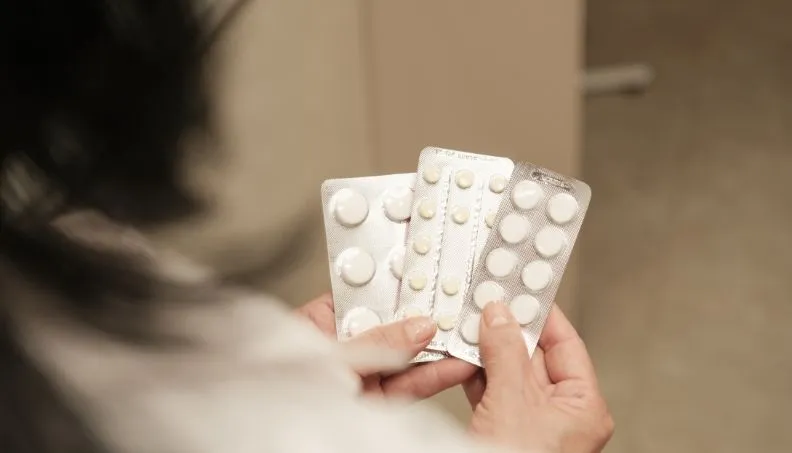
When preparing for in vitro fertilisation, the supplements that actually work to improve egg quality and overall reproductive success include Coenzyme Q10 (CoQ10), DHEA, Melatonin, Vitamin D, and Folate.
These specific nutrients target cellular energy, protect against oxidative stress, and support optimal hormone balance to improve your chances of a healthy pregnancy.
Hello, I am Dr. Mannan Gupta, an IVF Specialist in New Delhi at Dr. Mannan IVF Centre. Over the years, I have seen countless couples arrive at our clinic feeling overwhelmed by the endless lists of vitamins and fertility boosters available online.
My goal today is to cut through the noise and provide clear, scientifically backed guidance on which supplements genuinely support your fertility journey.
Key Takeaways
- CoQ10 provides essential cellular energy for maturing eggs.
- DHEA can support ovarian reserve but requires strict medical supervision.
- Melatonin acts as a powerful antioxidant, protecting follicles during stimulation.
- A holistic approach, combining clinical care with targeted nutrition, yields the best results.
- Always consult your fertility specialist before starting any new supplement regimen.
Why Do You Need Supplements Before Starting IVF?
Your eggs are the largest cells in your body and require a massive amount of energy to mature, fertilise, and develop into healthy embryos.
As we age, the natural energy factories within our cells, called mitochondria, become less efficient.
Fertility supplements help bridge this gap by reducing cellular damage and providing the biological building blocks required for optimal egg and sperm health.
At our IVF specialist clinic in New Delhi, we often explain to our patients that supplements are not magic pills. Instead, they are powerful tools that, when combined with a healthy lifestyle and expert clinical care, create the best possible environment for conception.
They help regulate cycles, lower inflammation, and prepare the uterine lining for successful implantation.
Which IVF Supplements Actually Improve Egg Quality and Success Rates?
When looking at the vast array of vitamins available, only a select few have strong clinical evidence supporting their use in fertility treatments. Here is a breakdown of the most effective options.
Coenzyme Q10 (CoQ10)
CoQ10 is a vital antioxidant that directly fuels mitochondrial energy production. Taking CoQ10 for at least three months before an IVF cycle can significantly improve egg quality and ovarian response, especially for women in their late thirties or older. It is one of the most widely recommended supplements for both egg and sperm health.
Dehydroepiandrosterone (DHEA)
DHEA is a hormone precursor that can help women with diminished ovarian reserve. It works by gently increasing androgen levels in the ovaries, which can improve follicular recruitment. However, DHEA is highly potent and must only be taken under the strict supervision of your doctor, as incorrect dosages can cause unwanted hormonal imbalances.
Melatonin
While commonly known as a sleep aid, melatonin is also a powerful antioxidant found naturally within ovarian follicles.
During IVF stimulation, oxidative stress can rise. Supplementing with melatonin protects the maturing eggs from oxidative damage, often leading to better fertilisation rates and higher-quality embryos.
According to the Indian Council of Medical Research (ICMR), infertility affects approximately 10 to 14 percent of the Indian population .
With such high prevalence rates, optimising every aspect of your reproductive health before medical intervention is crucial for a successful outcome.
For many women, the 90-day window of supplement prep is also a time to mentally prepare for the next steps, such as injections. You can find practical advice on managing that phase in our guide: Are IVF Injections Painful? Tips to Make It Easier.
Dr Mannan IVF Centre
Experience world-class fertility care with Dr. Mannan Gupta at the Best IVF Centre in Delhi
How Can You Choose the Right Fertility Supplements?
Selecting the right supplements requires a highly personalised approach. What works wonders for a patient with Polycystic Ovary Syndrome (PCOS) might not be suitable for someone facing age-related diminished ovarian reserve.
We rely on comprehensive blood tests to check your current vitamin levels, hormonal baseline, and thyroid function before recommending any specific stack.
If you are navigating the complexities of infertility, you do not have to do it alone. At Dr. Mannan IVF Centre, we provide tailored, compassionate care to help you build the family of your dreams.
Take the first step towards evidence-based, patient-first fertility care by booking a consultation with us today.
Are There Risks to Taking Too Many Fertility Supplements?
Yes, absolutely. The mindset that “more is better” can actually be detrimental to your fertility.
Megadosing certain vitamins or mixing unverified herbal blends can interfere with your IVF medications, disrupt your natural hormone balance, or cause unnecessary stress to your liver.
At our IVF Clinic in New Delhi, we frequently review the supplement bags our patients bring in.
Often, we reduce their intake to just a few high-quality, targeted vitamins.
Over-supplementation can lead to a false sense of security while ignoring fundamental lifestyle factors like sleep, stress management, and a balanced diet.
What Is the Best Time to Start Supplements Before IVF?
Because it takes roughly 90 days for an egg to fully mature before ovulation or retrieval, the ideal time to start your targeted supplement routine is three months prior to your planned IVF cycle.
This 90-day window allows the nutrients to properly integrate into your cellular structures and influence the developing follicles.
If you are starting treatment sooner, do not worry. Beginning supplements even a month before your cycle can still offer vital antioxidant protection and systemic support.
Consistency is key, so integrate these vitamins into your daily routine alongside a nutrient-dense diet.
Conclusion
Navigating the world of fertility supplements can feel incredibly overwhelming, but focusing on scientifically proven options like CoQ10, Melatonin, DHEA, and a high-quality prenatal vitamin can make a genuine difference.
Remember that these supplements are designed to support, not replace, expertly managed clinical care and a healthy lifestyle.
At Dr. Mannan IVF Centre, we are dedicated to guiding you through every step of this journey with clarity, empathy, and the highest standards of medical excellence.
We look forward to helping you achieve a healthy and successful pregnancy.
Frequently Asked Questions
1. Can I take CoQ10 and Melatonin together during my IVF prep?
Yes, CoQ10 and Melatonin can safely be taken together. CoQ10 is typically taken in the morning or afternoon with food to support cellular energy, while Melatonin is taken right before bed to improve sleep and provide antioxidant protection to the ovaries overnight.
2. Should my partner also be taking fertility supplements?
Absolutely. Sperm health is just as crucial as egg quality for creating a healthy embryo. Supplements like CoQ10, Vitamin C, Omega-3s, and Zinc have been shown to significantly improve sperm motility, count, and overall morphology.
3. Are over-the-counter prenatal vitamins enough for IVF preparation?
While a standard prenatal vitamin is a great foundation, it often lacks the therapeutic doses of specific antioxidants required for IVF. Women undergoing fertility treatments usually benefit from additional targeted supplements like CoQ10 and Vitamin D based on their individual lab results.
4. Can I continue taking DHEA once I become pregnant?
No. You must stop taking DHEA as soon as you have a positive pregnancy test, or as instructed by your fertility specialist prior to an embryo transfer. Continued use during pregnancy can negatively affect the developing foetus.
5. Do these supplements help if I am freezing my eggs?
Yes. The biological processes of maturing a healthy egg are exactly the same whether you are undergoing full IVF or just freezing your eggs. Taking CoQ10 and other antioxidants three months before your egg freezing cycle can help maximise the quality and resilience of the retrieved eggs.
