

Dr Mannan Gupta
Medically Reviewed by Dr. Mannan Gupta On April 20, 2026
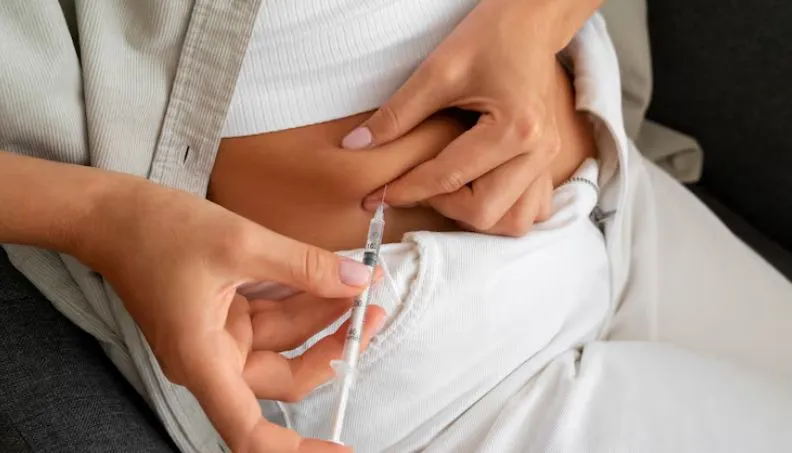
While the thought of daily needles can be daunting, most women find that IVF injections are far less painful than anticipated, feeling more like a quick, minor pinch rather than a deeply painful shot.
Hello, I am Dr Mannan Gupta, an IVF specialist at Dr. Mannan IVF Centre, New Delhi. Over the years, I have guided countless couples through their fertility journeys, and needle anxiety is one of the most common fears we encounter. It is completely normal to feel apprehensive about administering your own medication.
However, understanding the mechanics of these injections and learning a few simple techniques can drastically reduce your anxiety.
In this guide, I will explain exactly what you can expect from fertility injections and share practical ways to make your treatment in New Delhi a much more comfortable experience.
Key Takeaways
- IVF injections use very fine needles designed to go just beneath the skin, causing minimal pain.
- Preparation and relaxation are key; techniques like icing the area can numb the skin effectively.
- Rotating your injection sites prevents bruising and tissue irritation.
- Having a support system, whether a partner or a friend, makes the daily routine much less stressful.
- Our dedicated clinical team will guide you through the exact process so you never feel alone.
Why Are Injections Required During IVF Treatment?
To understand the injections, we must look at the goals of in vitro fertilisation. During a natural menstrual cycle, your body usually matures and releases just one egg.
However, to maximise your chances of a successful pregnancy, we need multiple mature eggs to work with in the laboratory. This is where ovarian stimulation comes in.
We prescribe specific hormone medications—such as Follicle-Stimulating Hormone (FSH)—to gently encourage your ovaries to develop multiple follicles simultaneously.
Because stomach acid would destroy these hormones if taken orally, they must be delivered directly into your system via injection.
How Painful Are IVF Injections Really?
The anticipation of the injection is almost always worse than the actual shot. Most of the stimulating hormones are given subcutaneously.
This means they are injected directly into the fatty tissue just below your skin, typically around your lower abdomen.
The needles used for subcutaneous injections are incredibly short and thin—very similar to those used by diabetics for insulin. You will likely feel a slight prick as the needle enters the skin, followed by a mild stinging sensation as the medication disperses.
Later in your cycle, you may require progesterone injections, which are intramuscular. To help you understand the differences, here is a quick comparison:
Feature | Subcutaneous Injections (e.g., FSH) | Intramuscular Injections (e.g., Progesterone) |
Needle Size | Very short and fine. | Longer and slightly thicker. |
Location | Fatty tissue (lower abdomen or thigh). | Deep muscle (upper buttocks). |
Pain Level | Mild pinch, occasional stinging. | Dull ache, requires muscle relaxation. |
Frequency | Daily during the stimulation phase. | Daily after the embryo transfer. |
For a broader look at how these medications affect your system over time, you can explore What Happens to Your Body During IVF?— Week by Week.
Dr Mannan IVF Centre
Experience world-class fertility care with Dr. Mannan Gupta at the Best IVF Centre in Delhi
What Are the Common Physical Side Effects of Fertility Shots?
Aside from the initial prick, your body will react to the hormones. You might notice small bruises or slight redness around the injection sites. This is a very normal vascular response and nothing to worry about.
As the days progress and your follicles grow, you will likely experience physical heaviness or bloating in your pelvic area.
The medication itself might occasionally sting upon entering the tissue, especially if it is cold straight from the fridge.
Emotionally, the sudden surge of hormones can leave you feeling fatigued or prone to mood swings.
Acknowledging these changes as temporary, natural side effects of your treatment will help you manage them with grace.
Take the Fear Out of Your Fertility Journey
You do not have to manage the stress of IVF injections on your own. As a leading IVF treatment clinic in New Delhi, we provide comprehensive injection training and emotional support to ensure you feel entirely confident.Let us support you every step of the way towards parenthood.
Call us at +91-9711681986 or book your consultation today
How Can You Make IVF Injections Less Painful and Stressful?
Taking control of your injection routine empowers you and minimizes discomfort. You can adopt several clinical and practical strategies to make the daily process smoother.
- Numb the area beforehand: Apply an ice cube or a small ice pack to your chosen injection site for about 30 to 60 seconds before cleaning it. The cold temporarily dulls the nerve endings, meaning you will barely feel the needle puncture your skin.
- Let the medication reach room temperature: Injecting cold liquid can cause a sharp stinging sensation. If your medication requires refrigeration, take the syringe out about 10 to 15 minutes before your scheduled injection time so it warms up naturally.
- Rotate your injection sites: Never inject into the exact same spot two days in a row. Move around your lower abdomen, switching sides daily to prevent tissue irritation and minimise the risk of deep bruising.
- Focus on your breathing: When we are anxious, we instinctively tense our muscles. Injecting into a tense muscle or tight abdomen hurts more. Take a deep breath in, relax your shoulders, and exhale slowly as the needle goes in.
At our IVF Clinic in New Delhi, our nursing team spends dedicated time teaching you and your partner these exact techniques, ensuring you are fully prepared before you even take your medication home.
Understanding your baseline fertility also helps set expectations for your medication dosage; you can read more about how tests influence your plan in Does AMH Level Predict IVF Success?.
When Should You Contact Your Fertility Doctor?
While mild bruising and slight stinging are entirely expected, certain symptoms warrant professional advice. You should always listen to your body and report anything that feels excessively uncomfortable.
Contact our clinic immediately if you experience severe pain, spreading redness that feels hot to the touch, or bleeding that does not stop after a few minutes of gentle pressure. These could be signs of a localised infection or an allergic reaction.
Additionally, if your abdominal bloating becomes severe, or you experience shortness of breath and rapid weight gain, notify us right away.
These are potential symptoms of Ovarian Hyperstimulation Syndrome (OHSS), which requires prompt medical evaluation.
Conclusion
Administering your own IVF injections can seem like a monumental hurdle, but it is one you are entirely capable of overcoming.
The physical discomfort is brief, manageable, and a necessary step on the incredible path toward bringing a new life into the world.
At Dr. Mannan IVF Centre, we prioritise your physical comfort and emotional resilience.
By using the right techniques and leaning on our supportive medical team, you will soon find that the injection routine becomes just another manageable part of your day.
Have confidence in your strength, and remember that we are here to support you at every single milestone.
Frequently Asked Questions
1. Will my partner be allowed to administer the injections for me?
Yes, absolutely. We highly encourage partners to take on this role. It helps them feel actively involved in the fertility journey and often removes the mental block of having to inject yourself. Our nurses will teach both of you the safest techniques.
2. What should I do if a drop of medication leaks out after the injection?
Seeing a tiny drop of clear fluid or a small spot of blood on your skin after removing the needle is very common. It does not mean you missed your dose. Simply apply gentle pressure with a sterile alcohol swab.
3. Why do the progesterone in oil (PIO) injections hurt more?
Progesterone is suspended in oil, making the fluid much thicker than water-based stimulation hormones. It requires a slightly longer needle to reach the muscle. Warming the vial in your hands beforehand and massaging the muscle gently after the shot helps disperse the oil and reduces aching.
4. Can I use numbing cream before my daily shots?
Yes, over-the-counter topical numbing creams containing lidocaine can be very effective. However, you must wipe the cream off completely and clean the area with an alcohol swab before injecting to ensure the site is sterile.
5. What happens if I miss my injection time by an hour?
Consistency is important for keeping your hormone levels stable, so try to inject within the same one-hour window every day. If you are occasionally an hour late, it will not ruin your cycle, but you should inform your clinical team so they can adjust your monitoring schedule if necessary.
