
Dr Mannan Gupta
Medically Reviewed by Dr. Mannan Gupta On April 13, 2026
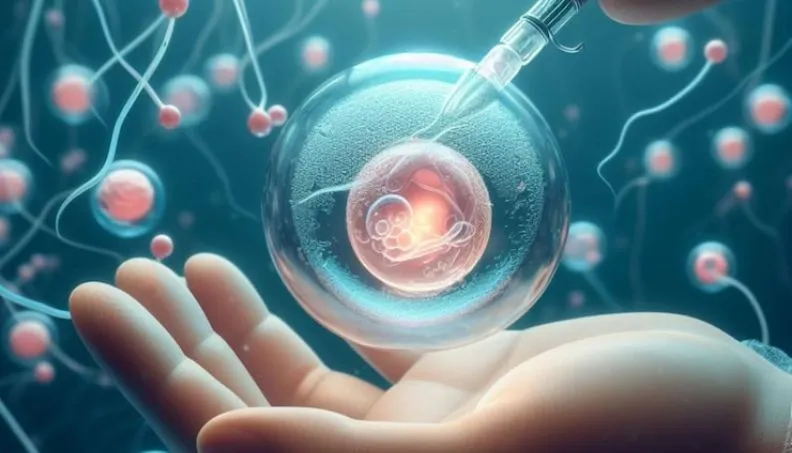
During an IVF cycle, your body undergoes carefully timed hormonal changes—from ovarian stimulation and egg retrieval to embryo transfer—mirroring and enhancing the natural reproductive process to help you achieve a healthy pregnancy.
Hello, I am Dr Mannan Gupta, an IVF specialist at Dr. Mannan IVF Centre, New Delhi. When you decide to start a fertility programme, it is completely natural to wonder how your body will react. The journey to parenthood is a profound physical and emotional experience.
Understanding exactly what happens during IVF Treatment in New Delhi can replace anxiety with confidence.
In this guide, I will walk you through the entire timeline, explaining the clinical steps, physical symptoms, and emotional milestones you will encounter each week.
Key Takeaways
- The IVF process is divided into preparation, stimulation, retrieval, fertilisation, and embryo transfer.
- Hormonal medications will cause temporary, manageable side effects like bloating and breast tenderness.
- Egg retrieval is a minor day-care procedure with a rapid recovery period.
- The “two-week wait” requires patience and emotional support as you look out for early pregnancy signs.
- Personalised care at a specialised clinic ensures your body responds safely and effectively at every stage.
Why Might You Need IVF, and When Does the Journey Begin?
Infertility affects millions of people globally. According to national health data from the Indian Council of Medical Research, approximately 10 to 14 percent of Indian couples face challenges when trying to conceive naturally.
Conditions such as blocked fallopian tubes, severe male factor infertility, advanced maternal age, or unexplained infertility often make natural conception highly unlikely. Before we begin your cycle, we conduct a thorough diagnostic evaluation.
This includes hormonal blood panels and transvaginal ultrasounds to check your ovarian reserve and uterine health.
Knowing what to expect during IVF treatment New Delhi begins with understanding that your protocol will be tailored specifically to your body’s unique needs.
Week 1: What Are the Preparatory Steps Before Your IVF Cycle Starts?
The first week of your treatment is all about preparation and suppression. We often start by prescribing oral contraceptive pills or oestrogen priming.
This might sound counterintuitive when you are trying to get pregnant, but it is a vital step. It helps to “quiet” your ovaries and ensures that all your follicles (the tiny fluid-filled sacs that hold your eggs) start growing at the exact same time.
During this preparatory week, IVF body changes week by week are generally very mild.
You might experience light spotting, slight breast tenderness, or minor mood changes, which are entirely normal responses to the initial medication.
Dr Mannan IVF Centre
Experience world-class fertility care with Dr. Mannan Gupta at the Best IVF Centre in Delhi
Week 2: What Changes Occur During the Ovarian Stimulation Phase?
Once your baseline ultrasound confirms your ovaries are resting, we move to the active stimulation phase.
For about 10 to 12 days, you will self-administer subcutaneous hormone injections.
These medications, usually Follicle Stimulating Hormone (FSH) and Luteinising Hormone (LH), encourage your ovaries to produce multiple mature eggs instead of the usual single egg.
As your follicles grow, your oestrogen levels will rise significantly.
Common IVF stimulation phase symptoms include mild bloating, a feeling of heaviness in the pelvis, and fatigue.
You will visit the clinic every few days for ultrasounds and blood tests so we can carefully monitor your progress and adjust your medication dosage if necessary.
To help you understand the difference between the two main types of embryo transfers you might prepare for, here is a quick comparison:
Feature | Fresh Embryo Transfer | Frozen Embryo Transfer (FET) |
Timing | 3 to 5 days after egg retrieval. | Weeks or months after retrieval. |
Hormone Levels | Natural oestrogen is high from stimulation. | Uterus is prepared in a more natural, rested state. |
Best For | Patients with normal hormone levels and lower follicle counts. | Patients at risk of OHSS or those doing genetic testing. |
Ready to Begin Your Fertility Journey?
Navigating an IVF cycle can feel overwhelming, but you do not have to do it alone. At our clinic, we provide world-class medical expertise paired with genuine, compassionate support tailored to your unique needs.Let us help you take the first confident step towards building your family.
Book your consultation with Dr. Mannan Gupta today
Week 3: How Does Your Body Recover After the Egg Retrieval Procedure?
When your follicles reach the ideal size, you will take a “trigger shot” to finalise egg maturation. Exactly 34 to 36 hours later, we perform the egg retrieval.
This is a minor surgical procedure performed under light, intravenous sedation.
Using ultrasound guidance, a fine needle is used to gently aspirate the fluid and eggs from your follicles. Because you are sedated, you will not feel any pain during the process.IVF egg retrieval recovery patients experience is usually very swift.
You might feel mild abdominal cramping, similar to menstrual cramps, and slight bloating for a few days.
We advise resting for 24 to 48 hours, staying well-hydrated, and eating a high-protein diet to help your body heal.
Week 4: What Happens Inside the Womb After the Embryo Transfer?
While you recover, our expert embryology team fertilises your eggs in the laboratory.
If you are having a fresh transfer, you will return to the clinic three to five days after the retrieval.
The embryo transfer is a completely painless, non-surgical procedure. Using a very thin, flexible catheter, we gently place the best-quality embryo into your uterine cavity under ultrasound guidance.
After the transfer, you will begin taking progesterone supplements. These hormones thicken and stabilise your uterine lining, creating the perfect, welcoming environment for the embryo to implant.
You can resume light, normal activities the following day, but we advise avoiding strenuous exercise.
Week 5: How Do You Manage the Two-Week Wait and Early Pregnancy Symptoms?
The period following your embryo transfer is commonly known as the “two-week wait”. This is the time it takes for the embryo to implant and for the pregnancy hormone (hCG) to rise to detectable levels.
During this time, the IVF week by week process India patients go through can be emotionally taxing.
Physically, the progesterone supplements may cause symptoms that mimic early pregnancy, such as breast tenderness, mild cramping, and fatigue.
It is crucial to stay positive, avoid taking early home pregnancy tests which can be inaccurate, and rely on the official blood test scheduled at our clinic.
We provide continuous emotional support to help you manage anxiety during this critical milestone.
Conclusion
Understanding how your body changes week by week during IVF empowers you to face the treatment with courage and clarity.
While the hormonal shifts and minor procedures require patience, every step is a medically guided leap towards your dream of parenthood.
At Dr. Mannan IVF Centre, we prioritize your physical safety and emotional wellbeing. We ensure that your treatment is closely monitored, minimizing risks and maximizing your chances of a healthy baby.
Trust the process, trust your body, and know that our dedicated team is with you at every stage.
Frequently Asked Questions
1. Is the ovarian stimulation phase painful?
The injections used for ovarian stimulation use very fine needles and are generally painless, feeling like a tiny pinch. While the growing follicles can cause bloating and a feeling of pelvic heaviness, severe pain is not normal and should be reported to your doctor immediately.
2. How much weight gain is normal during an IVF cycle?
It is normal to gain a small amount of weight (around 1 to 2 kilogrammes) due to water retention and bloating from the hormone medications. This temporary weight gain usually resolves on its own a few days after the egg retrieval or once you get your next period.
3. Can I continue working during my IVF treatment?
Yes, the vast majority of our patients continue their normal work routines. You will only need to take a day off for the egg retrieval procedure and perhaps the day of the embryo transfer. We schedule your monitoring appointments conveniently to minimise disruptions.
4. What is Ovarian Hyperstimulation Syndrome (OHSS)?
OHSS is a medical condition where the ovaries overreact to the fertility drugs, causing them to swell and leak fluid into the abdomen. While mild OHSS causes manageable bloating, we use carefully adjusted medication protocols to prevent severe cases, ensuring your absolute safety.
5. Why do I need progesterone injections after the embryo transfer?
During an IVF cycle, the medications used to prevent premature ovulation can sometimes interfere with your body’s natural ability to produce progesterone. Supplementing progesterone ensures your uterine lining remains thick and receptive, which is critical for the embryo to implant and thrive.
