
What Is Ovarian Torsion and Why Is It a Medical Emergency?

Dr Mannan Gupta
Medically Reviewed by Dr. Mannan Gupta On June 23, 2026
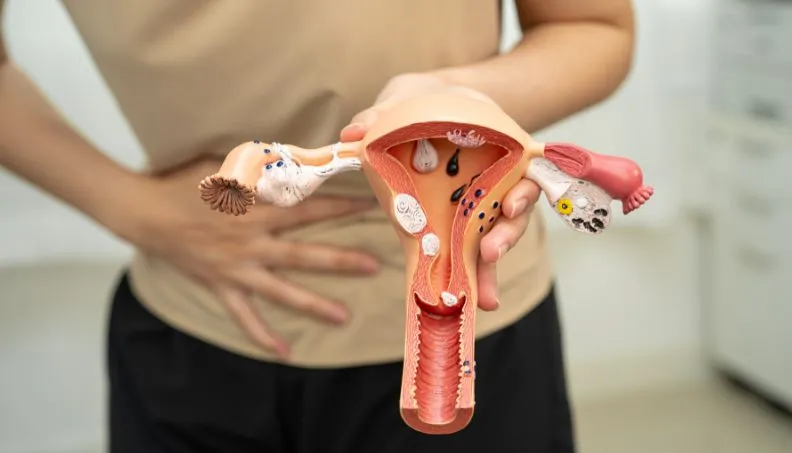
It started as stomach pain. Maybe nausea. Maybe it came and went for days before it became unbearable. What many women and even some emergency room doctors don’t realize is that this could be an ovary in the process of losing its blood supply.
Ovarian torsion treatment in New Delhi is available, and when it’s done in time, your ovary can almost always be saved. But the window is narrow, and the clock starts the moment symptoms begin.
In this article, you will learn:
- What ovarian torsion is and exactly why it’s so frequently misdiagnosed
- Which women are most at risk, including IVF patients
- What the symptoms actually feel like, including the intermittent pattern most blogs ignore
- How diagnosis works and why normal imaging doesn’t always rule it out
- What surgery involves and whether your ovary and your fertility can be preserved
What Is Ovarian Torsion and Why Is It So Easy to Miss?
- The Mechanics: What Actually Twists and Why It Matters
Ovarian torsion, also called adnexal torsion, occurs when the ovary, and sometimes the fallopian tube alongside it, rotates around the ligaments that hold it in place.
This rotation compresses the blood vessels supplying the ovary. Without blood flow, ovarian tissue begins to die.
The process is timesensitive in a way that most patients are never told clearly: the longer the twist remains, the less likely the ovary is to recover function, even after surgical correction.
- Why It Mimics So Many Other Conditions
The pain of ovarian torsion is pelvic and abdominal; it overlaps with appendicitis, kidney stones, ovarian cyst rupture, ectopic pregnancy, and even severe gastroenteritis.
This overlap is the primary reason torsion is misdiagnosed in emergency settings. Studies suggest that the correct diagnosis is made on the first visit in fewer than 50% of cases.
Women are frequently sent home with pain medication and a misdiagnosis before someone thinks to look at the ovary.
For IVF patients in particular, ectopic pregnancy is one of the most important conditions to differentiate from torsion both can present with sudden one-sided pelvic pain, and both are emergencies.
Our guide on ectopic pregnancy after IVF: signs, risks and what happens when it ruptures explains the distinguishing features and why any IVF patient with acute pelvic pain needs both conditions ruled out urgently.
- Who It Affects
Ovarian torsion can occur at any age from infancy through postmenopause, but it is most common in women of reproductive age, particularly between 20 and 40 years. It accounts for approximately 3% of all gynecologic emergencies. It is not as rare as most people assume.
For women in New Delhi experiencing unexplained one-sided pelvic pain, whether recurring or acute a specialist gynaecological evaluation is the right first step. The Gynecology Care in New Delhi page outlines the full scope of ovarian and pelvic assessment available, including the urgent evaluation pathway for suspected torsion.
What Causes an Ovary to Twist?
- The Role of Ovarian Cysts
The single most common predisposing factor is an ovarian cyst or mass. A cyst adds weight and volume to the ovary, creating the mechanical conditions for rotation.
Dermoid cysts (teratomas) and functional cysts are the most frequently associated types. Importantly, the cyst itself may not be the immediate cause it simply makes torsion more likely by altering the ovary’s weight distribution.
Women with PCOS are particularly prone to developing multiple functional cysts, making this a relevant background risk factor for a significant proportion of reproductive-age women; if you have a PCOS diagnosis and have been experiencing unexplained pelvic pain, it is worth discussing ovarian monitoring with your specialist. You can learn more about the management approach at the PCOD/PCOS Treatment in New Delhi page.
- IVF and Ovarian Stimulation: A Risk Factor Almost Nobody Mentions
Women undergoing IVF treatment face a significantly elevated risk of ovarian torsion. Ovarian stimulation causes the ovaries to enlarge substantially, sometimes to the size of an orange, making them far heavier than normal and much more prone to twisting.
Any woman who has recently completed an IVF cycle and develops sudden pelvic pain must treat this as an emergency until proven otherwise. This connection is almost universally absent from mainstream health content on this topic.
- Anatomical Factors
Some women have naturally longer ovarian ligaments, which give the ovary more range of movement and therefore more opportunity to rotate.
This anatomical variation is thought to explain why some women experience recurrent torsion even without a cyst present.
- Physical Activity and Sudden Movement
Torsion can be triggered by a sudden change in body position, vigorous exercise, or any activity that causes rapid movement of the pelvic organs.
This is why some women can identify the exact moment their symptoms started: a jump, a sharp turn, getting up too quickly. However, torsion can also develop gradually and without a clear precipitating event.
Dr Mannan IVF Centre
Experience world-class fertility care with Dr. Mannan Gupta at the Best IVF Centre in Delhi
What Does Ovarian Torsion Actually Feel Like?
- The Classic Pain Presentation
The hallmark symptom is sudden, severe, unilateral pelvic pain meaning pain on one side, either right or left. The right ovary is affected more often than the left, possibly due to anatomical reasons related to the sigmoid colon on the left side limiting rotation.
The pain is typically described as sharp, cramping, or colicky, and it may radiate to the lower back, flank, or inner thigh.
- Nausea, Vomiting, and the Symptoms That Mislead
Up to 70% of women with ovarian torsion experience nausea and vomiting alongside the pain. This combination of abdominal pain plus nausea is what sends most women to gastroenterology or general surgery rather than gynecology.
Fever may develop later if ovarian tissue has begun to necrose (die), and its presence usually indicates a more advanced stage.
- Intermittent Torsion: The Pattern Nobody Explains
This is one of the most clinically important aspects of ovarian torsion, and it is almost never discussed in patient-facing content. Intermittent torsion occurs when the ovary twists partially, causes severe pain, and then untwists spontaneously only to twist again later.
Women with this pattern describe episodes of intense pain that resolve completely between attacks, sometimes over days or weeks. They are frequently reassured between episodes that nothing is wrong.
If you have recurrent, unexplained episodes of one-sided pelvic pain that come and go, intermittent torsion must be considered and investigated, not waited out.
- Symptoms in Children and Adolescents
Ovarian torsion in young girls and teenagers presents differently from adult women and is misdiagnosed as appendicitis with alarming frequency.
In prepubertal girls, torsion often occurs without any underlying cyst, happening simply due to a long ligament.
The right side is again more commonly affected, compounding the diagnostic confusion with appendicitis.
Any girl presenting with right-sided abdominal pain and vomiting deserves gynecologic evaluation alongside the standard appendicitis workup.
How Do Doctors Diagnose Ovarian Torsion?
- Ultrasound First Line, But Not Definitive
Transvaginal or transabdominal ultrasound is the standard first imaging step. It can identify ovarian enlargement, the presence of a cyst or mass, and free fluid in the pelvis. However, ultrasound alone cannot confirm or exclude torsion.
- Doppler Blood Flow: Important, But Frequently Misunderstood
Doppler ultrasound assesses blood flow to the ovary. Absent blood flow is highly suggestive of torsion. But here is the critical point that even some clinicians overlook: the presence of normal Doppler blood flow does NOT rule out ovarian torsion.
In intermittent torsion or partial torsion, flow may appear preserved even when the ovary is genuinely at risk. Relying on a normal Doppler result to discharge a patient with classic symptoms is a diagnostic error.
- When Imaging Is Normal But Symptoms Are Compelling
Clinical suspicion must override a normal ultrasound when symptoms strongly suggest torsion.
A woman with sudden-onset unilateral pelvic pain, nausea, and an enlarged ovary on imaging, even with present Doppler flow, warrants urgent gynecologic consultation and possibly proceeding directly to diagnostic laparoscopy.
- The Role of Laparoscopy
Diagnostic and therapeutic laparoscopy keyhole surgery is both the definitive way to diagnose torsion and the primary treatment when it’s confirmed.
There is no imaging tool that replaces direct surgical visualization when clinical doubt persists.
What Is the Treatment for Ovarian Torsion?
- Laparoscopic Detorsion The Ovary-Saving Procedure
The standard treatment is laparoscopic detorsion, surgically untwisting the ovary using a minimally invasive approach. When performed promptly, this restores blood supply and allows the ovary to recover.
Studies show that even ovaries that appeared dusky, swollen, or darkened at surgery and were previously assumed to be unsalvageable frequently regain normal function after detorsion.
The color or appearance of the ovary at surgery is not a reliable indicator of its viability.
- The Outdated Myth About Necrotic-Looking Ovaries
For decades, surgical teaching held that a dark- or black-appearing ovary should be removed immediately.
Current evidence from multiple studies, including a landmark review published in the Journal of Pediatric Surgery, shows this approach was wrong.
Ovaries that appear necrotic at the time of surgery have recovered normal function and even supported future pregnancies after detorsion alone. The default approach in 2025 is to detour first and reassess, not to remove.
- When the Ovary Cannot Be Saved
If the ovary has genuinely undergone complete necrosis confirmed by persistent lack of recovery even after detorsion or pathological confirmation, oophorectomy (surgical removal of the ovary) may be necessary. This is now the exception, not the rule, in cases that reach surgery in a timely manner.
- Why Timing Is Everything
Every hour of delayed treatment reduces the probability of ovarian salvage. Torsion caught within 6–8 hours has a high rate of successful detorsion.
Beyond 24–48 hours, the probability of necrosis climbs sharply. This is a true surgical emergency, not a condition to monitor at home.
If you or someone close to you is experiencing sudden pelvic pain and you’re in the Delhi area, Dr. Mannan Gupta at Dr. Mannan IVF Center has extensive experience managing gynecologic emergencies, including ovarian torsion. Don’t wait; visit drmannanivfcentre.com to understand your options or request an urgent evaluation.
What Does Recovery Look Like After Surgery?
- Immediately After the Procedure
Laparoscopic detorsion is typically performed under general anesthesia and involves 1–3 small incisions.
Most women are discharged within 24–48 hours if the procedure is uncomplicated. Pain at the incision sites and mild pelvic discomfort are expected for several days.
- Return to Normal Activity
Light activity can usually resume within 1–2 weeks. Strenuous exercise, heavy lifting, and sexual activity are typically restricted for 2–4 weeks depending on what was done during surgery.
Your surgeon will give specific guidance based on whether detorsion alone was performed or additional procedures were necessary.
- Monitoring for Recurrence
Women who have experienced torsion once are at elevated risk of recurrence either in the same ovary or the opposite one. Followup ultrasound at 4–6 weeks postsurgery is standard.
In women with recurrent torsion or very long ovarian ligaments, a surgical procedure called “oophoropexy,” suturing the ovary to reduce its mobility, may be offered to prevent future episodes.
Does Ovarian Torsion Affect Fertility?
- When Treatment Is Prompt
Women who receive timely treatment have excellent fertility outcomes. The ovary, once detorsed and given time to recover, resumes normal follicular development in most cases. Fertility is not compromised by a single episode of torsion that was managed promptly.
- Impact of Delayed Treatment
Prolonged torsion that results in significant ovarian tissue loss does reduce ovarian reserve on the affected side. Losing one ovary to torsion does not mean infertility; the remaining ovary compensates in most cases, but it does reduce the total follicle pool, which matters particularly for women planning IVF in the future.
If you have been through ovarian torsion and want to understand where your ovarian reserve stands now, an AMH test is the most practical starting point.
Our article on what AMH levels mean and how they predict IVF success explains how to interpret your result, what it means for your fertility options, and when to act on a low reading.
- Pregnancy After Ovarian Torsion: What the Data Shows
Multiple studies confirm that the majority of women who undergo laparoscopic detorsion conceive naturally or with assistance afterward.
Even women who required oophorectomy have achieved successful pregnancies. The prognosis for fertility after ovarian torsion is far more optimistic than most patients are told at the time of diagnosis.
Final Thoughts
Ovarian torsion is a genuine emergency hidden inside what feels like ordinary stomach pain.
The women who do best are the ones who pushed for answers, went back to the emergency room when the pain returned, and found a gynecologist who took their symptoms seriously.
Early diagnosis and prompt surgery, specifically detorsion rather than removal, preserve both the ovary and fertility in the vast majority of cases.
If your gut tells you something is wrong, trust it. Persistent, one-sided pelvic pain that keeps coming back is not something to manage with painkillers and waiting. It deserves proper evaluation, urgently.
Frequently Asked Questions
1. Is ovarian torsion pain constant, or does it come and go?
It can do both, and this is exactly what makes it confusing. Some women experience continuous, escalating pain. Others, particularly those with intermittent torsion, describe episodes of severe pain that resolve completely, sometimes for hours or days at a time, before returning. Pain that comes and goes in episodes on one side of the pelvis should not be dismissed simply because it resolves between episodes.
2.How quickly does ovarian torsion need surgery?
As quickly as possible, ideally within hours of a confirmed or strongly suspected diagnosis. The ovary begins losing viable tissue as blood supply is cut off, and the window for successful detorsion narrows significantly after 24 hours. If you are in an emergency room with suspected torsion, advocate clearly for urgent gynecologic consultation rather than watchful waiting.
3.Can ovarian torsion resolve on its own without surgery?
Spontaneous detorsion, where the ovary untwists on its own, does occur, and it is what causes the intermittent pain pattern described above. However, an ovary that has torsed once is at high risk of twisting again, often more severely. Symptom resolution does not mean the problem has resolved. Spontaneous untwisting is not a reason to avoid evaluation; it is a reason to seek it urgently.
4. Can you still get pregnant after having an ovary removed due to torsion?
Yes. Losing one ovary reduces your total egg reserve but does not eliminate fertility. The remaining ovary takes over follicular production, and many women conceive naturally or through IVF after unilateral oophorectomy. If you are concerned about your fertility after ovarian surgery, an AMH test and antral follicle count from the remaining ovary will give you a clear picture of your current reserve.The Role of Ovarian Cysts
5. Can ovarian torsion happen during pregnancy?
Yes and it is more common in early pregnancy than most people realize. The corpus luteum cyst that forms after ovulation to support early pregnancy can enlarge enough to predispose the ovary to torsion. Ovarian torsion in pregnancy is managed the same way as outside pregnancy: laparoscopic detorsion, and it can be performed safely in the first and second trimesters. It should never be delayed because of the pregnancy.
