
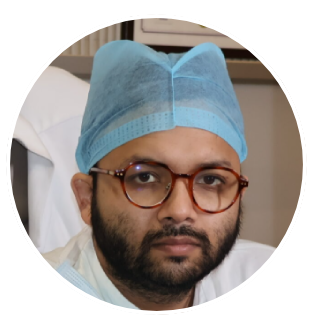
Dr Mannan Gupta
Medically Reviewed by Dr. Mannan Gupta On Jan 10, 2026

Hello, I’m Dr. Mannan Gupta, an IVF Specialist at Dr. Mannan IVF Centre in New Delhi. With over a decade of experience helping women navigate their reproductive health, I’ve had many conversations about Polycystic Ovary Syndrome, or PCOS.
It’s a condition that can feel confusing and isolating, but I want to assure you that you are not alone. Understanding PCOS is the first, most powerful step towards managing it effectively and living a healthy, fulfilling life.
This post is designed to answer your most pressing questions in a clear and supportive way, drawing from my years of experience helping patients in New Delhi and beyond.
Key Takeaways
- PCOS is a common hormonal condition, not a personal failing. It affects many women during their reproductive years.
- Symptoms vary widely, from irregular periods and acne to challenges with fertility and weight.
- Early diagnosis and a personalised management plan are crucial. They can significantly improve your quality of life and long-term health.
- Effective treatments are available. Management often starts with lifestyle changes and can include medication and specialised fertility support if needed.
What is PCOS, and how does it affect the body?
Polycystic Ovary Syndrome (PCOS) is a common hormonal disorder that affects women of reproductive age. At its core, it’s an endocrine condition, meaning it relates to your hormones.
If you have PCOS, your body may produce higher-than-normal levels of androgens, which are often called ‘male hormones’, although all women produce them in small amounts.
This hormonal imbalance can interfere with the development and release of eggs from the ovaries (a process called ovulation).
As a result, many women with PCOS experience irregular menstrual cycles and may develop small, harmless cysts on their ovaries.
However, it’s important to know that you don’t need to have cysts to be diagnosed with PCOS. The condition also impacts your metabolism, which is why it’s often linked to weight gain and insulin resistance.
What are the common symptoms of PCOS?
One of the most challenging aspects of PCOS is that its symptoms can differ greatly from person to person. What one woman experiences may be completely different from another’s.
However, some common signs I see in my practice in New Delhi include:
- Irregular periods: This is the most frequent symptom. You might have fewer than nine periods a year, cycles that are longer than 35 days, or no periods at all.
- Hirsutism: This refers to excess hair growth in a male-like pattern, such as on the face, chest, stomach, or back.
- Acne and oily skin: Hormonal imbalances can lead to persistent acne, particularly on the face, chest, and upper back, that continues beyond the teenage years.
- Weight gain: Many women with PCOS find it difficult to maintain a healthy weight, especially around the abdomen.
- Hair thinning: Some women experience thinning hair or hair loss from the scalp, similar to male-pattern baldness.
- Difficulty conceiving: Due to irregular or absent ovulation, getting pregnant can be a challenge for many women with PCOS.
What causes PCOS, and who is at risk?
The exact cause of PCOS isn’t fully understood, but we know it’s a complex interplay of genetic and environmental factors. You don’t “catch” PCOS; it’s something that develops.
The key contributing factors include:
- Insulin Resistance: Up to 80% of women with PCOS have insulin resistance. This means your body’s cells don’t respond properly to the hormone insulin. To compensate, your body produces even more insulin, which can trigger your ovaries to produce more androgens.
- Genetics: PCOS often runs in families. If your mother or sister has it, your risk is higher.
- Inflammation: Women with PCOS often have low-grade inflammation, which can stimulate the ovaries to produce androgens.
- Lifestyle Factors: While not a direct cause, factors like obesity can worsen insulin resistance and the symptoms of PCOS.
How is PCOS diagnosed?
Diagnosing PCOS involves a careful and comprehensive evaluation to rule out other conditions with similar symptoms. Here at Dr. Mannan IVF Centre, we follow a thorough process. A diagnosis is typically made if you meet at least two of these three criteria:
- Irregular or absent periods.
- Clinical or biochemical signs of high androgen levels (e.g., hirsutism, acne, or blood test results).
- Polycystic ovaries seen on an ultrasound scan.
Your consultation will include a discussion of your medical history, a physical exam, and often blood tests to check your hormone and glucose levels. An ultrasound helps us look at your ovaries and the lining of your uterus.
Can PCOS affect fertility and pregnancy?
This is a question I hear often, and it’s a valid concern. PCOS is one of the most common, yet treatable, causes of infertility in women. The main reason is that the hormonal imbalance disrupts ovulation, making it difficult to predict when—or if—an egg will be released.
If you do become pregnant, PCOS can also increase the risk of certain complications, such as gestational diabetes, preeclampsia (high blood pressure during pregnancy), and premature birth.
However, I want to offer reassurance. Many women with PCOS successfully conceive and have healthy pregnancies. With the right support and management plan, which may include lifestyle adjustments or ovulation-inducing medications, your dream of starting a family is very much within reach.
What are the treatment options for managing PCOS?
There is no one-size-fits-all cure for PCOS, but there are many effective ways to manage its symptoms. Your treatment plan will be tailored to your specific needs and goals, whether that’s regulating your cycle, improving skin health, or achieving pregnancy.
Treatment strategies include:
- Lifestyle Changes: This is the cornerstone of PCOS management. A balanced, low-glycemic-index diet, regular exercise, and maintaining a healthy weight can dramatically improve insulin sensitivity and regulate hormones. Even a 5-10% loss in body weight can restore regular periods for many women.
- Medications:
- Birth control pills: These can help regulate your menstrual cycle, reduce androgen levels, and improve acne.
- Metformin: An insulin-sensitising drug commonly used for diabetes, it helps the body use insulin more effectively, which can lower androgen levels and restore ovulation.
- Ovulation-inducing medications: For women trying to conceive, medications like letrozole or clomiphene can help stimulate the ovaries to release an egg.
- Advanced Fertility Treatments: If lifestyle changes and medications aren’t enough, treatments like Intrauterine Insemination (IUI) or In Vitro Fertilisation (IVF) can be highly effective.
Frequently Asked Questions
1. Is PCOS a lifelong condition?
Yes, PCOS is considered a lifelong condition, but its symptoms can be managed effectively with lifestyle changes and medication. Symptoms may also change over time, and some women find they improve after menopause.
2. What is the best diet for managing PCOS?
There is no single “PCOS diet,” but a balanced eating plan focused on whole foods is highly recommended. A low-glycemic index (GI) diet, which includes lean proteins, healthy fats, whole grains, and plenty of vegetables, can help manage insulin levels and support weight management.
3. Will PCOS go away if I lose weight?
Losing excess weight won’t cure PCOS, but it can significantly improve its symptoms. Weight loss can help lower insulin and androgen levels, which may restore ovulation and make your menstrual cycles more regular.
4. How does PCOS affect mental health?
The hormonal imbalances and physical symptoms of PCOS (like acne, hair growth, and weight gain) can increase the risk of anxiety, depression, and body image issues. It’s important to address your emotional well-being as part of your overall management plan.
5. Can I have PCOS without having cysts on my ovaries?
Yes. Despite the name “polycystic,” not all women with PCOS have ovarian cysts. The diagnosis is based on meeting two of the three main criteria (irregular periods, high androgens, and/or cysts), so you can be diagnosed without them.
Conclusion
Living with PCOS can be challenging, but with knowledge and the right medical partner, you can manage your symptoms and lead a healthy life.
Your journey starts with understanding your body and seeking expert guidance. It’s a condition that requires long-term management, but the steps you take today can protect your future health.
If you are in New Delhi and suspect you have PCOS or are struggling with its symptoms, please know that expert and empathetic care is available.
You don’t have to navigate this journey alone. For a personalised consultation, feel free to reach out to us at Dr. Mannan IVF Centre.
