
Understanding Your Chances: How Successful is IUI on the First Try?

Dr Mannan Gupta
Medically Reviewed by Dr. Mannan Gupta On Feb 14, 2026
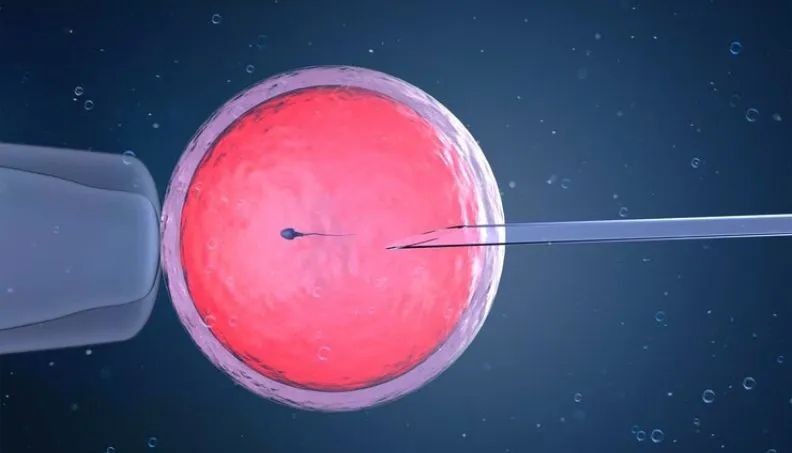
Starting the journey toward parenthood can feel like navigating a maze of emotions and medical terms. If you are considering Intrauterine Insemination (IUI), the first question on your mind is likely: “Will it work right away?”
As an IVF specialist in Delhi with over 10 years of experience, I, Dr. Mannan Gupta, have guided countless couples through this process at Dr. Mannan Gupta IVF Centre.
To answer the most pressing question immediately: The success rate of IUI on the first attempt generally ranges between 10% to 20% per cycle, depending on variables like age and the underlying cause of infertility.
While it may not happen for everyone on the first try, IUI remains a powerful, less invasive first step for many families.
Key Takeaways
- First-cycle success: Typically falls between 10% and 20%.
- Cumulative effect: Success rates often improve over 3 to 6 cycles.
- Influencing factors: Maternal age and sperm quality are the primary drivers of success.
- The Procedure: It is a quick, relatively painless office-based treatment.
What exactly happens during an IUI procedure?
Intrauterine Insemination, often called “artificial insemination,” is a procedure where concentrated, washed sperm are placed directly inside the uterus.
By bypassing the cervix, we give the sperm a “head start,” placing them closer to the fallopian tubes right when ovulation occurs.
At our IUI treatment hospital in New Delhi, we prioritize timing. We monitor your cycle using ultrasounds to ensure the insemination happens at the peak of fertility.
The procedure itself feels very similar to a routine pap smear and takes only a few minutes, requiring no anesthesia.
Why does age play a role in IUI success rates?
One of the most significant factors we discuss at our Fertility Clinic in New Delhi is biological age. As a woman ages, the quantity and genetic quality of her eggs naturally decline, which directly impacts how the body responds to IUI.
- Women under 35: See the highest success rates, often reaching the upper end of the 20% bracket.
- Women aged 35–40: Success rates may dip to 10% or 15% per cycle.
- Women over 40: The likelihood of success per IUI cycle is generally lower, often leading us to discuss IVF as a more predictable alternative.
Age Group | 1st Cycle Success | 3-Cycle Cumulative |
<35yo | 15-20% | 40-45% |
35-40yo | 10-15% | 30-37% |
>40yo | 5-8% | 15-20% |
Dr Mannan IVF Centre
Experience world-class fertility care with Dr. Mannan Gupta at the Best IVF Centre in Delhi
Is IUI the right first step for your fertility journey?
IUI is often the “Goldilocks” of fertility treatments—more advanced than timed intercourse but less intensive than IVF. We frequently recommend it for specific diagnostic categories where it shows the most promise.
- Unexplained Infertility: When tests don’t show a clear reason for struggle, IUI provides a controlled environment to boost chances.
- Cervical Factors: If cervical mucus is preventing sperm from traveling, IUI bypasses this barrier entirely.
- Mild Male Factor Infertility: If sperm motility is slightly lower than average, the washing process concentrates the healthiest sperm for better results.
For a deeper dive into how this compares to other options, you can read our guide on IUI vs IVF in Delhi: Why Fertility Specialists Recommend Starting with IUI.
Plan Your Path to Parenthood
If you’ve been trying to conceive without success, personalized insights are your best next step. At Dr. Mannan IVF Centre, we combine clinical excellence with a compassionate touch to help you understand your options.
Book a Consultation: Dr mannan ivf centre | Call: 9711681986
What factors can improve my IUI success rate in Delhi?
Success isn’t just about the procedure; it’s about the preparation. In our clinical experience, optimizing health before the cycle can move the needle in your favor.
- Sperm Washing: This laboratory technique removes impurities and non-motile sperm, ensuring only the most vigorous sperm reach the egg.
- Ovulation Induction: Using mild fertility medications to produce more than one egg can statistically increase the “target” for the sperm.
- Timing Accuracy: Using “trigger shots” (HCG injections) allows us to pinpoint the exact window of ovulation for the insemination.
What is the difference between IUI and IVF success?
It is vital to manage expectations by comparing IUI with In vitro fertilization (IVF). While IUI is more affordable and less invasive, IVF offers higher success rates per attempt because fertilization happens in a controlled lab environment.
Feature | IUI (Intrauterine Insemination) | IVF (In Vitro Fertilization) |
Complexity | Low; office-based procedure | High; involves egg retrieval and lab culture |
First-Try Success | 10% – 20% | 40% – 60% (varies by age) |
Invasiveness | Minimal; no anesthesia | Moderate; requires sedation |
Cost | More affordable per cycle | Higher initial investment |
What should I expect during the recovery period?
One of the best things about IUI is that there is virtually no downtime. Most patients at our centre return to their normal daily activities immediately after leaving the clinic.
You might experience very mild cramping or light spotting for 24 hours, which is completely normal as the cervix was slightly disturbed.
We generally advise avoiding heavy lifting or extreme exercise for a day or two, but otherwise, you can resume your life as usual while you wait for the “two-week wait.”
How do I manage the emotional "Two-Week Wait"?
The fourteen days between the procedure and the pregnancy test can be the most challenging part of the process. We encourage our patients to focus on holistic well-being during this time.
Try to maintain a routine that minimizes stress. Whether it’s light yoga, reading, or spending time with loved ones, keeping your mind occupied is key.
Remember, a negative result on the first try is not a failure of your body; it is often just a matter of the cumulative nature of fertility treatments.
When should we move from IUI to other treatments?
Medical guidelines and our clinical data suggest that most successful IUI pregnancies occur within the first three to four attempts. If success isn’t achieved by then, the likelihood of a future IUI working begins to plateau.
At this stage, we have a transparent conversation about transitioning to IVF or checking for underlying issues like tubal blockages.
Our goal is to ensure you don’t spend unnecessary time or emotional energy on a treatment that isn’t providing results.
If you are concerned about the financial aspect, our Clinical Guide to the Average Cost of IUI Treatment in India can help you plan your journey.
Conclusion
IUI is a beautiful, science-backed “helping hand” for many couples starting their fertility journey.
While the success rate on the first try may seem modest, it represents a significant leap forward compared to natural conception for those facing specific hurdles.
At Dr. Mannan IVF Centre, New Delhi we are committed to walking this path with you, providing the technical expertise and emotional support you deserve.
Whether your journey is short or requires a few more steps, we are here to ensure you feel empowered and informed every step of the way.
Frequently Asked Questions
1. Can I do anything on the day of IUI to help it work?
While you don’t need bed rest, staying hydrated and staying relaxed can help. Some studies suggest that lying down for 15–20 minutes immediately after the procedure (which we facilitate at our clinic) may slightly improve the journey of the sperm.
2. Does a higher number of follicles mean a better IUI success rate?
To an extent, yes. Having 2 or 3 mature follicles increases the chance of sperm meeting an egg. However, we monitor this closely to prevent the risk of high-order multiple pregnancies (like triplets).
3. Is IUI painful if I have a sensitive cervix?
Most women describe it as a slight “pinch” or pressure, similar to a period cramp. It is much less invasive than a biopsy or other gynecological surgeries.
4. Should my partner change his lifestyle before the IUI?
Absolutely. Since sperm health is 50% of the equation, we recommend that partners avoid smoking, excessive heat (like saunas), and tight clothing for at least 60 days prior to the procedure to ensure the best possible sample.
5. What if I miss my ovulation window for the IUI?
This is why we use ultrasound monitoring. If we see that ovulation has already occurred unexpectedly, we may adjust the timing or, in rare cases, skip the cycle to ensure we don’t waste your resources and efforts on a low-probability attempt.
