
High-risk pregnancy at 32: can I still have a normal delivery?

Dr Mannan Gupta
Medically Reviewed by Dr. Mannan Gupta On Jan 20, 2026
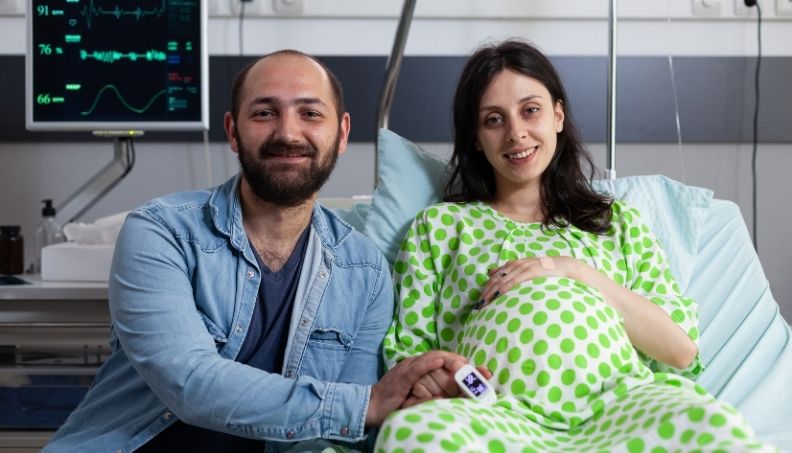
Turning 32 often feels like a significant milestone. You are likely more established in your career, more settled in your life, and ready to start or expand your family. However, in the world of obstetrics, you might hear conflicting narratives.
On one hand, you are told you have plenty of time; on the other, you might be cautioned about “ticking clocks” and potential complications.
If you have been categorised as having a high-risk pregnancy at 32, the first question that often races through your mind is whether a natural, vaginal birth is still on the table.
As a specialist in reproductive medicine and high-risk obstetrics, I want to start by offering you a clear, reassuring truth: A high-risk label does not automatically result in a Caesarean section.
While age 32 is not technically classified as “advanced maternal age” (which typically starts at 35), various factors can elevate the risk profile of your pregnancy.
However, with the right high-risk pregnancy care in New Delhi, meticulous monitoring, and a tailored birth plan, many women with complex pregnancies successfully deliver via normal vaginal birth. The key lies in understanding your specific risks and managing them proactively.
Key Takeaways
- 32 is Not “Old”: While medical vigilance is important, age 32 is generally considered a prime reproductive age, and age alone rarely dictates a C-section.
- High-Risk ≠ C-Section: Many high-risk conditions, such as managed gestational diabetes or mild hypertension, still allow for a safe vaginal delivery.
- Individualised Care: The possibility of a normal delivery depends on the specific reason for the high-risk classification, not the label itself.
- Monitoring is Crucial: Frequent scans and check-ups allow us to assess if the baby is tolerating the pregnancy well enough for labour.
- Flexibility is Essential: While we support your desire for a natural birth, safety always takes precedence, and plans may need to adapt during labour.
Is age 32 actually considered a risk factor for pregnancy?
Medically speaking, age 32 is a safe and healthy time to have a baby. The medical term “Advanced Maternal Age” (AMA) usually applies to women aged 35 and older.
Therefore, simply being 32 does not make your pregnancy high-risk.
However, by the early 30s, lifestyle factors often begin to manifest. We see a higher incidence of conditions such as fibroids, endometriosis, or early-onset hypertension in this age group compared to women in their early 20s.
Furthermore, if you have conceived via assisted reproductive technology, your journey might require high-risk pregnancy after IVF — what extra precautions do I need? to be addressed, ensuring the “precious” nature of the conception is protected through underlying fertility management.
What conditions might make a pregnancy 'high-risk' at this age?
If your pregnancy is labelled high-risk, it is usually due to a specific medical condition rather than your birth date. At 32, the most common contributors we see in our clinic include:
- Gestational Diabetes (GDM): This is increasingly common in urban India due to lifestyle and genetic predisposition.
- Pregnancy-Induced Hypertension (PIH): elevated blood pressure that develops after 20 weeks.
- Multiple Pregnancy: Carrying twins or triplets (often associated with IVF).
- Placental Issues: Conditions like placenta praevia (low-lying placenta).
- Pre-existing Conditions: Thyroid disorders, PCOD/PCOS, or autoimmune issues.
The good news is that most of these conditions are manageable. With strict control—be it through diet, medication, or rest—the risk to the baby can be minimised significantly.
Does a high-risk diagnosis mean I cannot have a normal delivery?
Absolutely not. This is perhaps the biggest myth surrounding high-risk pregnancies. The mode of delivery is determined by the safety of the labour process, not just the presence of a condition.
For example:
- Gestational Diabetes: If your sugar levels are well-controlled and the baby is not excessively large (macrosomia), you can certainly attempt a vaginal delivery.
- Hypertension: If your blood pressure is stable and there are no signs of preeclampsia (severe complications), induction of labour for a vaginal birth is often the preferred route over a C-section.
- IVF Pregnancy: Conception via IVF is not an automatic indication for surgery. Unless there are obstetric reasons (like breech presentation), vaginal birth is a valid option.
We encourage normal delivery because it often aids in quicker recovery for the mother and helps squeeze fluid from the baby’s lungs, aiding their breathing post-birth.
When does a C-section become medically necessary?
While we strive for a normal delivery, as an IVF specialist and obstetrician, my primary duty is the safety of both mother and child.
There are specific scenarios in high-risk pregnancies where a Caesarean section becomes the safer, or only, option:
- Placenta Praevia: If the placenta covers the cervix, a vaginal birth is impossible and dangerous due to bleeding risks.
- Fetal Distress: If monitoring shows the baby’s heart rate dropping significantly during contractions, it indicates they cannot tolerate labour.
- Malpresentation: If the baby is in a breech (feet first) or transverse (lying sideways) position.
- Severe Preeclampsia: If high blood pressure threatens the mother’s life (causing seizures or organ damage), immediate delivery via C-section is often required.
- Multiple Births: While some twins can be born vaginally, higher-order multiples (triplets) or complicated twin positions usually require surgery.
Dr Mannan IVF Centre
Experience world-class fertility care with Dr. Mannan Gupta at the Best IVF Centre in Delhi
How does monitoring help in planning a normal delivery?
In a high-risk pregnancy, we don’t just wait for labour to start; we actively manage the timeline. You will likely undergo more frequent ultrasounds and Non-Stress Tests (NST) in the third trimester.
These tests tell us:
- Is the baby growing well?
- Is the amniotic fluid level adequate?
- Is the blood flow to the baby (Doppler) normal?
If these parameters are normal, we can confidently wait for labour or induce labour safely. If the environment inside the womb becomes hostile (e.g., growth restriction), we might need to deliver early. Even in induction, the goal remains a vaginal birth unless the baby shows signs of distress.
Can I prepare my body for a normal delivery despite the risks?
Yes, preparation is empowering. Even with a high-risk label, proactive steps can improve your chances of a natural birth:
- Strict Adherence to Medication: Whether it is insulin for diabetes or Labetalol for blood pressure, keeping your condition stable is the #1 way to keep normal delivery on the table.
- Dietary Discipline: Managing weight gain prevents the baby from becoming too large, which is a common hurdle for normal delivery in diabetic mothers.
- Pelvic Floor Exercises: Consult your doctor about antenatal exercises. If you are not on bed rest, staying active helps position the baby correctly.
- Perineal Massage: In the final weeks, this can help reduce tearing during childbirth.
- Mental Preparation: Fear increases pain and can stall labour. Antenatal classes or hypnobirthing techniques can help you stay calm during the process.
How do I choose the right care provider for a high-risk birth?
The most critical decision you make is choosing where to deliver. A high-risk pregnancy requires a facility equipped to handle emergencies instantly.
You should look for a C-section delivery hospital in New Delhi that also has a robust NICU (Neonatal Intensive Care Unit) and 24/7 specialist availability.
However, ensure your chosen doctor supports your desire for a normal delivery. A supportive specialist will be transparent with you—telling you honestly when natural birth is safe and explaining clearly if and why a C-section becomes necessary.
At our centre, we practice evidence-based medicine, meaning we only intervene surgically when there is a genuine medical need.
Conclusion
Being 32 and pregnant is a wonderful phase of life. While the term “high-risk” sounds daunting, it is essentially a signal for us to pay closer attention.
It does not seal your fate to a surgical table. By working in partnership with your medical team, managing your health conditions rigorously, and staying flexible in your mindset, a normal delivery is a very achievable goal for many.
Trust your body, trust your team, and focus on the ultimate prize: a healthy mother and a healthy baby.
Frequently Asked Questions
1. Does having IVF at 32 automatically mean I need a C-section?
No. IVF is the method of conception, not the method of delivery. Unless you have specific obstetric complications like placenta praevia or a breech baby, an IVF pregnancy is treated like any other regarding delivery, and vaginal birth is encouraged.
2. Is it safe to induce labour in a high-risk pregnancy?
Yes, induction is a common tool in high-risk pregnancies. It allows us to control the timing of the birth, ensuring the baby is delivered before the intrauterine environment becomes unsafe (e.g., in cases of gestational diabetes or hypertension).
3. If I had a C-section in my first pregnancy, can I have a normal delivery at 32?
This is called VBAC (Vaginal Birth After Caesarean). It is possible for many women, provided the reason for the first C-section isn’t repeated (like a small pelvis) and the scar thickness is adequate. It requires careful assessment by a specialist.
4. Will epidural anaesthesia affect my chances of a normal delivery?
An epidural is excellent for pain relief and can actually help high-risk mothers (especially those with high blood pressure) relax, potentially lowering BP and aiding the progression of labour. It does not significantly increase the rate of C-sections.
5. What is the 'golden hour' and can I have it with a high-risk birth?
The ‘golden hour’ refers to the first hour of skin-to-skin contact and breastfeeding immediately after birth. Even in many high-risk scenarios, and often after C-sections (if the mother and baby are stable), we prioritise this bonding time as it boosts immunity and emotional connection.
