
Frozen Embryos After IVF: Storage, Costs, and Your Options

Dr Mannan Gupta
Medically Reviewed by Dr. Mannan Gupta On April 27, 2026
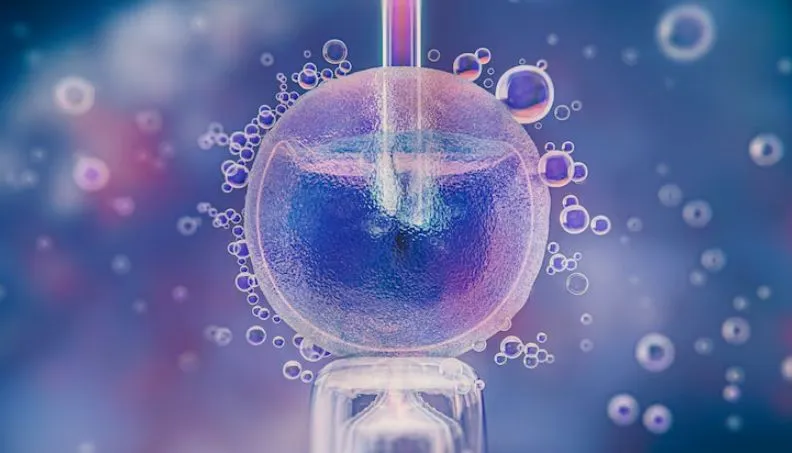
After a successful IVF cycle, you can safely freeze your remaining embryos for future pregnancies, donate them to others, or choose compassionate disposal, with storage costs varying based on your timeline and clinic.
Having leftover embryos is a wonderful position to be in, but it also brings up important financial and emotional questions about your next steps.
I am Dr Mannan Gupta, an IVF Specialist representing Dr. Mannan IVF Centre. At our IVF specialist clinic in New Delhi, we frequently guide couples through the emotional and logistical decisions surrounding their remaining embryos.
Deciding what to do with your genetic material is a deeply personal choice. My goal is to provide you with clear, compassionate, and medically accurate information to help you make the best decision for your family.
Key Takeaways
- Vitrification is a highly successful freezing technique that keeps your embryos safe for years without degrading their quality.
- Storage costs involve an upfront freezing fee and an annual maintenance fee to keep the embryos safely cryopreserved.
- Your options for unused embryos include future sibling planning, donating to another couple, donating to research, or compassionate discarding.
- Proper planning helps you avoid unnecessary financial strain and provides peace of mind for your future fertility journey.
Why Should You Consider Freezing Embryos After IVF?
During an IVF cycle, hormone medications often stimulate your ovaries to produce multiple eggs. Once fertilised, this can result in several high-quality embryos.
Because we usually only transfer one or two embryos at a time to ensure a safe pregnancy, you will often have healthy embryos left over. Freezing these surplus embryos gives you a fantastic safety net.
If your first transfer does not result in a pregnancy, having frozen embryos means you can try again without undergoing another full cycle of hormone injections and egg retrieval.
It also allows you to plan for future siblings years down the line.
How Does the Embryo Freezing Process Work?
Modern fertility clinics use an advanced rapid-freezing technology called vitrification. This flash-freezing technique instantly turns the liquid within the embryo cells into a glass-like state.
By preventing the formation of damaging ice crystals, vitrification ensures that the embryos remain perfectly preserved.
When you are ready to use them, the survival rate of these thawed embryos is exceptionally high, often exceeding 95%.
The entire process happens in our highly monitored embryology laboratory. Your embryos are stored in secure tanks filled with liquid nitrogen, keeping them at a stable, ultra-low temperature.
Dr Mannan IVF Centre
Experience world-class fertility care with Dr. Mannan Gupta at the Best IVF Centre in Delhi
What Are the Costs of Embryo Freezing vs. Storing?
Understanding the financial commitment is a vital part of your fertility journey.
The expense is generally split into two parts: the initial clinical procedure to freeze the embryos and the ongoing annual fee to store them safely.
The initial freezing fee covers the laboratory work, the vitrification process, and usually the first year of storage.
After that first year, you will pay a recurring annual maintenance fee to keep your embryos safely stored in the cryogenic tanks.
Cost Comparison: Freezing vs. Storing Embryos
Expense Type | What It Includes | Frequency |
Initial Embryo Freezing | Lab preparation, vitrification process, and first year of storage | One-time fee |
Annual Embryo Storage | Liquid nitrogen maintenance, 24/7 laboratory monitoring, and security | Yearly recurring fee |
Frozen Embryo Transfer (FET) | Thawing process, uterine preparation medications, and embryo transfer procedure | Per transfer attempt |
Understanding the cost for embryo freezing in New Delhi helps you budget effectively for the years ahead. We always recommend discussing long-term storage packages, as many clinics offer discounted rates if you pay for multiple years in advance.
Cost in the Delhi Region
Below is a table outlining the approximate costs associated with freezing and storing embryos in the Delhi region:
Service | Cost (INR) | Details |
Initial Freezing Fee | ₹70,000 – ₹90,000 | Includes laboratory work, vitrification process, and the first year of storage. |
Annual Storage Fee | ₹10,000 – ₹20,000 | Recurring yearly maintenance fee for cryogenic storage in secure tanks. |
Note: The costs mentioned above are approximate and may vary according to the clinic or facility providing the service. Always consult with fertility clinic for precise details specific to your treatment plan.
Are you unsure about what to do with your remaining embryos, or looking for a trusted facility to safely store them? Book a consultation with us at Dr. Mannan IVF Centre. As a leading IVF Clinic in New Delhi, we offer secure cryopreservation and expert guidance tailored to your family goals. Call us on +91 9711681986
What Are Your Options for Unused Frozen Embryos?
If your family is complete and you still have embryos in storage, you will eventually need to decide what to do with them. This can be an emotional decision, and there is no single right answer.
Keeping them for future use is the most common choice for couples who might want more children later.
However, if you are absolutely certain your family is complete, you have other meaningful paths to consider.
Donating to another couple is a beautiful way to give the gift of parenthood to someone struggling with severe infertility.
Alternatively, donating to medical research helps scientists improve fertility treatments and stem cell therapies for future generations.
If donation does not feel right for you, you can opt for compassionate discarding. The clinic will safely and respectfully allow the embryos to thaw and perish naturally, providing you with closure.
Deciding how many attempts to make before considering these options is a common concern. For more context, read our guide: How Many IVF Cycles Should You Try?. If you have faced challenges previously, our resource on Failed Embryo Transfer: Next Steps can provide further clarity.
How Long Can You Safely Store Frozen Embryos?
From a scientific standpoint, embryos can be stored indefinitely. Because they are held at -196 degrees Celsius in liquid nitrogen, all biological activity is completely paused.
There are many documented cases of healthy babies being born from embryos that were frozen for more than ten or even twenty years.
The length of time an embryo is frozen does not decrease its quality or the health of the resulting baby.
The main limiting factor for long-term storage is usually the ongoing financial cost or the mother’s advancing age when considering a future transfer.
Conclusion
Managing your frozen embryos is a crucial part of the IVF process.
Whether you are preserving them for a future sibling, considering donation, or simply weighing up the storage costs, having all the facts empowers you to make confident decisions.
At Dr. Mannan IVF Centre, we are dedicated to providing transparent, ethical, and highly secure care for your embryos.
We will support you through every stage of your fertility journey, ensuring you always feel informed, respected, and deeply cared for.
Frequently Asked Questions
1. Do frozen embryos have a lower success rate than fresh ones?
No. In fact, many modern studies show that frozen embryo transfers (FET) have equal, and sometimes higher, success rates than fresh transfers. Freezing allows your body time to recover from stimulation medications, creating a more natural environment for implantation.
2.Can we move our frozen embryos to a different clinic?
Yes, you can safely transport your frozen embryos to another facility. This involves coordinating with specialised medical couriers who use secure, temperature-controlled transport tanks to ensure your embryos remain perfectly frozen during transit.
3. What happens if we stop paying the annual storage fees?
If storage fees remain unpaid for a prolonged period, clinics will send multiple notices to reach you. If there is no response, the clinic is legally permitted to thaw and discard the embryos as per the original consent forms you signed before treatment.
4.Are there emotional support services for deciding what to do with unused embryos?
Absolutely. Deciding the fate of unused embryos can trigger complex feelings of grief or guilt. We highly recommend speaking with a fertility counsellor who can help you and your partner navigate these emotions and find a decision that aligns with your values.
5. Does embryo freezing damage the genetic material?
The vitrification process is incredibly safe and specifically designed to prevent cellular damage. While there is a very small risk that an embryo may not survive the thaw, the genetic integrity of the embryos that do survive remains completely intact.
