

Dr Mannan Gupta
Medically Reviewed by Dr. Mannan Gupta On Feb 18, 2026
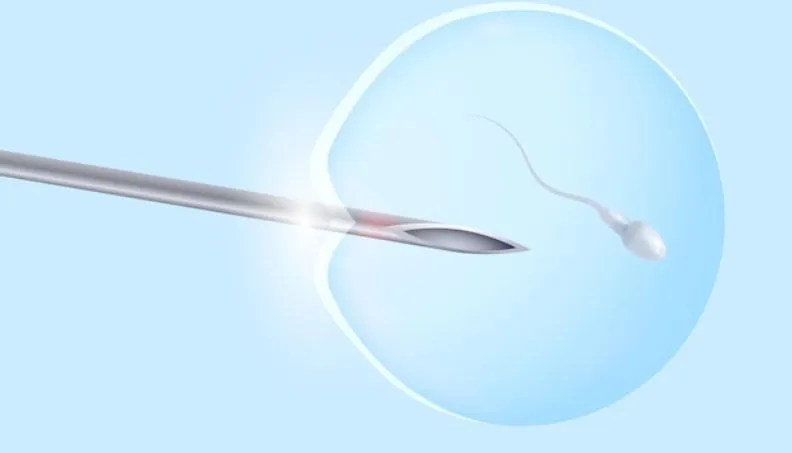
The “two-week wait” following an Intrauterine Insemination (IUI) is often the most emotionally charged period for any hopeful parent. While your mind may be racing with questions, it is important to remember that your body begins sending subtle signals almost immediately.
The most common first signs of IUI success include implantation bleeding (light spotting), mild pelvic cramping, breast tenderness, and a noticeable shift in basal body temperature, usually occurring 6 to 12 days after the procedure.
As an IVF specialist with over 10 years of clinical experience, I, Dr. Mannan Gupta, have observed that while these IUI Success Signs are encouraging, they often mimic early premenstrual symptoms, making medical confirmation essential.
At Dr. Mannan IVF Centre, we guide you through interpreting these physical changes with both scientific precision and empathy.
Key Takeaways
- Timing of Symptoms: Most early signs appear roughly 1 to 2 weeks after insemination.
- Implantation Clues: Light spotting and cramping are frequently the very first indicators.
- Hormonal Shifts: Progesterone used in treatment can sometimes mimic pregnancy symptoms.
- Final Confirmation: A blood HCG test remains the only definitive way to confirm success.
When do the first symptoms of IUI success typically appear?
After the insemination, the sperm must meet the egg in the fallopian tube for fertilization. The resulting embryo then travels to the uterus for implantation. This biological journey takes time.
As an IUI specialist in Delhi, I often tell my patients that most physiological changes won’t be noticeable until the embryo attaches to the uterine wall. This usually happens between day 6 and day 12 post-procedure.
Is implantation bleeding a reliable indicator of success?
One of the most discussed signs is implantation bleeding. This occurs when the embryo burrows into the vascular lining of the uterus, occasionally causing minor blood vessels to leak.
Unlike a menstrual period, this spotting is typically very light, pinkish or brownish in color, and lasts only a day or two.
It is a positive sign, but its absence does not mean the cycle failed, as many successful pregnancies occur without any spotting at all.
Dr Mannan IVF Centre
Experience world-class fertility care with Dr. Mannan Gupta at the Best IVF Centre in Delhi
Why do I feel cramping after my IUI procedure?
It is very common to feel mild tugging or tingling sensations in the lower abdomen. These “implantation cramps” are generally less intense than typical period pains and are localized to the pelvic region.
However, we must distinguish these from procedural discomfort. While our IUI treatment hospital in New Delhi utilizes minimally invasive techniques, the catheter can sometimes cause mild uterine irritability for 24-48 hours immediately following the treatment.
How do hormonal changes affect my body after insemination?
Once implantation occurs, the body begins producing Human Chorionic Gonadotropin (HCG), which signals the ovaries to keep producing progesterone. This hormonal surge leads to several noticeable shifts.
- Breast Sensitivity: You may notice your breasts feel fuller, heavier, or unusually tender to the touch.
- Fatigue: Rising progesterone levels can act as a natural sedative, leaving you feeling exhausted even after a full night’s sleep.
- Nausea: Though “morning sickness” usually peaks later, some women feel early waves of queasiness or sudden food aversions.
Can medication mimic the signs of pregnancy?
It is vital to maintain a balanced perspective because many fertility protocols involve progesterone supplements or “trigger shots” containing HCG. These medications are essential for supporting the uterine environment.
At our IVF Clinic in New Delhi, we educate patients that these supplements can cause bloating and breast tenderness.
Therefore, we always recommend waiting for the scheduled blood test rather than relying solely on physical sensations.
When is the best time to take a pregnancy test?
The urge to test early is powerful, but testing too soon can lead to “false positives” from the trigger shot or “false negatives” because HCG levels aren’t high enough yet.
We advise waiting at least 14 days after the IUI. A Beta-HCG blood test performed in a clinical setting is far more sensitive and reliable than a home urine test, especially in cases involving high-risk pregnancy care or previous complications.
Expert Guidance for Your Fertility Journey Navigating the complexities of conception requires more than just medical procedures; it requires a partnership built on trust. At Dr. Mannan IVF Centre, we provide world-class diagnostic and reproductive care tailored to your unique needs. Schedule Your Consultation Today | Call us: +91 9711681986
How should I manage my emotional health during the wait?
The psychological stress of the “two-week wait” is a significant part of the journey. We encourage our patients to stay busy but avoid strenuous physical exertion that causes high stress.
- Stay Connected: Share your feelings with your partner or a trusted counselor.
- Avoid “Symptom Spotting”: Constantly checking for signs can increase cortisol levels, which isn’t ideal for your well-being.
- Gentle Movement: Short walks in the many green spaces of New Delhi can help clear your mind and improve circulation.
What are the next steps after a positive IUI result?
If your test is positive, our focus shifts toward ensuring a healthy pregnancy. We will schedule an early viability ultrasound around the 6th or 7th week to confirm the gestational sac and fetal heartbeat.
For some patients, this may involve discussing a C-section delivery plan early on if there are underlying medical reasons, or simply transitioning into routine antenatal care. Our goal is to ensure a seamless transition from fertility patient to expectant parent.
Conclusion
Recognizing the first signs of IUI success is a blend of physical awareness and patient waiting. While spotting, cramping, and fatigue are heartening clues, they are pieces of a larger puzzle that only medical testing can complete.
At Dr. Mannan IVF Centre, New Delhi, we are dedicated to supporting you through every twitch and turn of this journey.
We combine advanced reproductive technology with the compassionate care every family deserves. Stay hopeful, stay informed, and trust in the process we have built together.
Frequently Asked Questions
1. Does a lack of symptoms mean my IUI has failed?
Not at all. Many women have absolutely no symptoms during the two-week wait and go on to have perfectly healthy pregnancies. Every body reacts differently to hormonal changes.
2. Can I continue working in a high-stress job after IUI?
While you can work, we recommend delegating high-stress tasks during the implantation window. Extreme stress can affect your hormonal balance, so prioritizing your mental peace is beneficial.
3. Is it normal to have a "heavy" feeling in the uterus after IUI?
Yes, this is often due to increased blood flow to the pelvic region and the thickening of the uterine lining, both of which are necessary for a successful pregnancy.
4. How soon after IUI can I travel outside of Delhi?
We generally suggest staying local for the first 48 hours to remain close to your care team. After that, light travel is usually fine, but always consult us first if your journey involves long flights or high altitudes.
5. Does the position I sleep in affect IUI success?
No, the position you sleep in does not impact whether an embryo implants. Once the sperm are placed in the uterus, they are not affected by gravity or your sleeping posture.
