
Best Pain Relief Options for Endometriosis: NSAIDs and Beyond

Dr Mannan Gupta
Medically Reviewed by Dr. Mannan Gupta On Aug 25, 2026
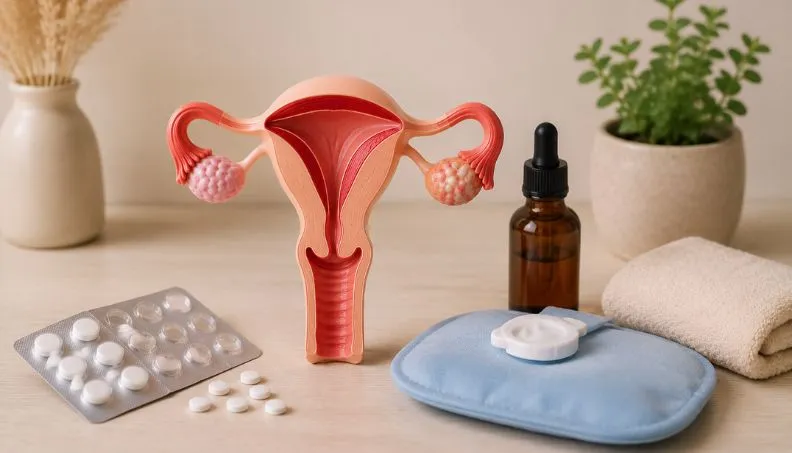
If you’ve been reaching for the same painkillers every month and wondering why they’ve stopped working as well as they used to, that’s a genuinely common experience, not something you’re imagining or doing wrong.
I’m Dr. Mannan Gupta, IVF Specialist and Obstetrician & Gynaecologist at Dr. Mannan IVF Centre in New Delhi, and pain relief is one of the most practical, day-to-day conversations.
I have with patients. Endometriosis pain relief in Delhi usually starts with NSAIDs, but there’s a lot more that can genuinely help once you understand how your pain actually works.
Key Takeaways
- NSAIDs work best when timed correctly, ideally started a day or two before your period begins
- Heat, movement, and pelvic floor physiotherapy can meaningfully add to pain relief, not replace it
- If NSAIDs stop helping, it doesn’t mean nothing will. It may mean your pain needs a different type of treatment
- Nerve-related pain sometimes needs a completely different medication approach, separate from anti-inflammatories
- The best results usually come from combining a few approaches, not relying on one alone
What Causes Endometriosis Pain, and Why Do NSAIDs Help?
Endometriosis pain is largely driven by prostaglandins, natural compounds your body releases that cause inflammation and uterine contractions, and NSAIDs work by blocking their production.
- Prostaglandins are the reason periods hurt in the first place, and endometriosis tissue produces them too, which is part of why the pain can be so intense.
- NSAIDs like ibuprofen and naproxen block this process, which is why they’re usually the first thing tried.
- This is a targeted mechanism, not just general pain relief. Understanding this is what makes timing them correctly so important.
- In my experience, patients who understand why NSAIDs work tend to use them more effectively than those just taking a pill whenever pain shows up.
Which NSAID Actually Works Best, and How Should You Time It?
Naproxen tends to last longer than ibuprofen, but the bigger factor in effectiveness is usually timing, not which specific NSAID you choose.
- Start taking NSAIDs a day or two before your period is expected, rather than waiting until pain has already set in. This gives the medication time to block prostaglandins before they build up.
- Naproxen’s longer duration means fewer doses through the day compared to ibuprofen, which some patients find more convenient.
- If your cycle is irregular, I sometimes suggest a more consistent daily schedule through the week leading up to your period, rather than relying on predicting the exact start date.
- Always take NSAIDs with food, and if you’re using them regularly, this is worth discussing with your doctor to watch for stomach-related side effects.
- The NIH’s National Library of Medicine notes that taking more than the recommended amount can cause nausea, stomach pain, or ulcers, which is exactly why timing and dosing matter more than switching medications.

Dr Mannan IVF Centre
Experience world-class fertility care with Dr. Mannan Gupta at the Best IVF Centre in Delhi
What Can You Do Beyond Medication for Everyday Relief?
Heat therapy, movement, and simple lifestyle adjustments genuinely add to pain relief, even though they’re not a replacement for medical treatment.
- A heating pad or hot water bottle on your lower abdomen can ease cramping by relaxing the uterine muscle, and many patients find this makes a real difference alongside NSAIDs.
- Gentle, regular movement, rather than complete rest, tends to help more than people expect, even during a painful flare.
- Reducing highly processed food, excess caffeine, and alcohol may help some patients notice fewer flare-ups, though this varies individually and isn’t a guaranteed fix.
- None of these replace medical treatment. I frame them as support alongside your main plan, not an alternative to it.
Can Physiotherapy or Pelvic Floor Work Actually Help?
Yes, pelvic floor physiotherapy can meaningfully reduce pain for many women with endometriosis, particularly when muscle tension has built up around chronic pain.
- Chronic pelvic pain often leads to tightened pelvic floor muscles over time, which can add a second layer of pain on top of the endometriosis itself.
- A physiotherapist trained in pelvic health can work on this specifically, something that’s still relatively hard to access in India but worth actively seeking out.
- This approach works particularly well alongside medication, not instead of it, since it addresses a different part of the pain picture.
- I regularly refer patients for this when pain persists despite medication, because it targets something NSAIDs simply aren’t designed to treat.
What About Pain That Doesn't Respond to NSAIDs at All?
If NSAIDs consistently aren’t helping, it may mean your pain has a nerve-related component that needs a different kind of medication entirely.
- Long-standing pain can lead to nerve sensitization, where your nervous system becomes more reactive to pain signals over time, independent of active inflammation.
- Medications originally developed for nerve pain, certain antidepressants or anti-seizure medications used at pain-management doses, are sometimes used specifically for this reason.
- This isn’t a sign that your pain is “in your head.” It’s a recognized clinical pattern, and it needs a treatment approach that NSAIDs alone were never designed to address.
- I always want patients to hear this clearly, because too many people are told to just increase their painkiller dose when the actual issue is a different pain pathway altogether.
If NSAIDs and lifestyle changes aren’t giving you the relief you need, or your pain feels like it’s evolved into something more complex, I see patients for a full endometriosis pain evaluation at Dr. Mannan IVF Centre in New Delhi. You can reach the clinic directly at 97116 81986 to talk through what’s actually driving your symptoms.
When Does Pain Relief Need to Go Beyond This Layer?
If NSAIDs, physiotherapy, and lifestyle changes aren’t giving you consistent relief, it’s reasonable to talk about hormonal or surgical options as the next layer.
- Hormonal treatment works differently, by reducing the disease activity itself rather than just managing the pain it causes, and I’ve covered that approach in detail in Hormonal Therapy for Endometriosis: Pills, IUDs, and What Actually Helps.
- Surgical removal of endometriosis tissue may be considered when pain remains significant despite a full non-surgical approach.
- None of these options mean your current plan has failed. You can see the complete range of options, from hormonal to surgical, on our Endometriosis Treatment in New Delhi page.
- Endometriosis pain management often evolves in layers as your situation changes.
- The goal is always to match your treatment to what your pain actually needs, not to escalate treatment unnecessarily or under-treat pain that deserves more attention.
How Do You Build a Complete Pain Management Plan?
A well-built plan usually combines a few approaches together, rather than relying on a single option to do all the work.
- Start with correctly timed NSAIDs as your baseline, and track whether they’re genuinely working or just partially helping.
- Add heat, movement, and pelvic floor support as complementary layers, especially if pain persists despite medication.
- Reassess regularly with your doctor. What worked a year ago may need adjusting as your symptoms or life circumstances change.
- Don’t wait until pain feels unbearable to ask for a plan review. Adjusting early usually leads to better long-term control than waiting for a crisis point.
Conclusion
Endometriosis pain relief isn’t about finding one perfect medication and sticking with it forever. NSAIDs, timed correctly, genuinely help many women, but if they’ve stopped working for you, that’s information, not a dead end.
Between physiotherapy, lifestyle support, nerve-focused treatment, and hormonal or surgical options when needed, there’s a real path toward better control.
What matters is building a plan that actually matches what your pain is doing, rather than pushing through with the same approach that isn’t working anymore.
Frequently Asked Questions
Is it safe to take NSAIDs every month for years?
For most people it’s reasonably safe with proper dosing, though long-term regular use should be monitored by your doctor to watch for stomach or kidney-related side effects.
Can paracetamol work as well as NSAIDs for endometriosis pain?
It’s generally less effective than NSAIDs for this specific type of pain since it doesn’t block prostaglandins the same way, though it’s an option if you can’t take NSAIDs for medical reasons.
Does acupuncture actually help with endometriosis pain?
Some patients report meaningful relief with regular acupuncture, though the evidence base is still developing, so it’s best used alongside, not instead of, your main treatment plan.
Can stress make endometriosis pain worse?
Many patients notice a connection between stress and flare-ups, which is part of why stress management is often included as a supporting part of a full pain plan.
Is it normal for endometriosis pain to feel different from month to month?
Yes, pain intensity and location can genuinely vary cycle to cycle, and this variation on its own isn’t usually a cause for alarm.
Should I avoid exercise completely during a painful flare?
Not necessarily. Gentle movement often helps more than complete rest, though it’s reasonable to scale back intensity during a bad flare.
Can a TENS machine help with endometriosis pain at home?
Some women find TENS therapy genuinely helpful for reducing pain intensity, and it’s a low-risk option worth trying alongside your existing treatment.
Do I need a prescription for stronger pain relief, or can I just take more ibuprofen?
Taking more than the recommended dose isn’t the safe way to get stronger relief. If over-the-counter NSAIDs aren’t enough, that’s exactly the point to talk to your doctor about prescription options.
Can pain relief methods interfere with fertility treatment if I need IVF later?
NSAIDs and physiotherapy generally don’t interfere with fertility planning, though your treatment approach may need adjusting once you’re actively trying to conceive, which is worth discussing directly with your doctor.
Is it possible for pain to improve permanently, or will I always need pain relief?
Many women see meaningful, lasting improvement with the right combination of treatment, though endometriosis is a chronic condition, so ongoing management is usually part of the picture long term.
Medical Disclaimer:
Content regarding endometriosis pain management, NSAID usage, and pelvic floor therapies is for informational and educational purposes only. It is not a substitute for clinical advice, diagnosis, or treatment. Always consult a qualified gynaecologist or pain specialist for personalized medical guidance regarding medication timing, pain protocols, and reproductive care.
