
Dr Mannan Gupta
Medically Reviewed by Dr. Mannan Gupta On Aug 10, 2026
If you’ve just been told you have PCOS (Polycystic Ovary Syndrome) and you’re now reading everything you can find about PCOS treatment in Delhi, I want to give you a straight answer before anything else.
Diet and lifestyle changes can genuinely put PCOS symptoms into remission for many women, but “reversal” doesn’t mean the condition disappears forever; it means you’ve gotten your body to a place where symptoms settle down and stay manageable.
I’m Dr. Mannan Gupta, Obstetrician-Gynaecologist and IVF Specialist at Dr. Mannan IVF Centre in New Delhi, and this is the conversation I have with patients almost every week.
Key Takeaways
- PCOS symptoms can improve significantly, sometimes dramatically, with sustained diet and lifestyle changes
- Insulin resistance is usually the root driver behind weight gain, irregular periods, and acne in PCOS
- There’s no single “PCOS diet,” what matters is consistency, not a specific food list
- Losing even a small percentage of body weight can restore ovulation in many women
- Claims of PCOS being “cured” in 30 days are not realistic and can set you up for disappointment
What Does It Actually Mean to "Reverse" PCOS?
Reversing PCOS means bringing your hormones and metabolism back into a range where your periods are regular, your symptoms are minimal, and your fertility improves, not that the underlying tendency toward PCOS vanishes completely.
- PCOS is a hormonal and metabolic pattern, not a one-time illness, so it can come back if old habits return
- Many women achieve years of symptom-free periods through sustained changes, which is what most patients actually mean by “reversal”
- This is different from a cure, and I’d rather set that expectation now than have you feel like you’ve failed later.
- If you are at the beginning of understanding your diagnosis and want to know what a structured, specialist-led management plan looks like, our PCOD/PCOS Treatment in New Delhi page outlines the full evaluation and treatment pathway available at Dr. Mannan IVF Centre.
- Genetics, stress, and body composition all play a role, so the same changes don’t work identically for every woman.
If you have recently been diagnosed and want a thorough grounding in what PCOS actually is including how it’s diagnosed, what the different hormonal patterns look like, and what the full management spectrum involves.
Our detailed article on understanding PCOS: causes, symptoms and management covers this foundation in full, which many patients find useful to read alongside any lifestyle plan they’re starting.
What's Actually Causing My PCOS Symptoms?
In most women I see, insulin resistance sits at the centre of the problem, and everything else, weight gain, irregular periods, acne, unwanted hair growth, tends to follow from it.
- Insulin resistance means your cells don’t respond well to insulin, so your pancreas produces more of it, and higher insulin levels push your ovaries to produce excess androgens (male hormones women also naturally have in small amounts)
- Excess androgens are what typically cause irregular ovulation, acne, and extra facial or body hair
- Chronic low-grade inflammation often accompanies PCOS and makes insulin resistance worse, creating a cycle
- Poor sleep and high stress raise cortisol, which interferes with the same hormonal pathways.
If you are in New Delhi and experiencing these symptoms but haven’t yet had a formal evaluation to confirm whether PCOS is actually driving them, our Gynecology Care in New Delhi page outlines the specialist assessment available, including the hormonal and ultrasound workup used to confirm the diagnosis.
Dr Mannan IVF Centre
Experience world-class fertility care with Dr. Mannan Gupta at the Best IVF Centre in Delhi
Is There One Specific PCOS Diet I Should Follow?
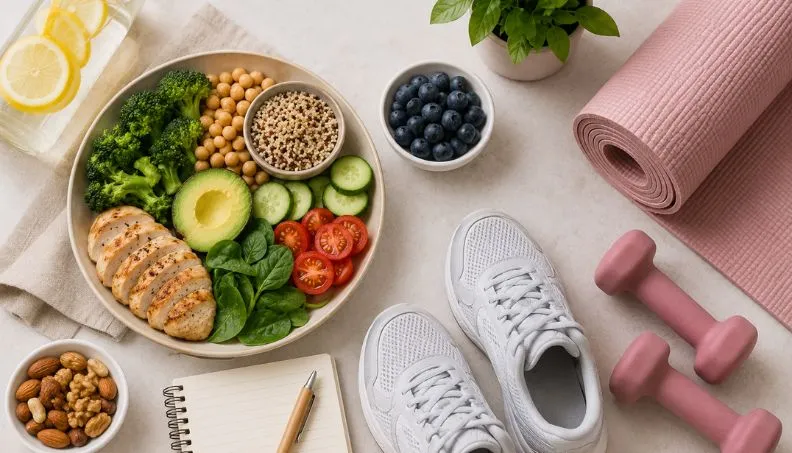
No, and I’d be cautious of anyone telling you there’s a single miracle diet, because what actually works is a way of eating you can sustain for years, not weeks.
- Lower glycemic-load meals (foods that don’t spike your blood sugar sharply) help most with insulin resistance
- Protein at every meal keeps you fuller and reduces the blood sugar swings that worsen cravings
- Whole grains over refined ones, so replace maida-based items with atta, millets, or brown rice where you can
- Reducing added sugar and deep-fried snacks matters more than cutting any single food group entirely
- A Mediterranean or DASH-style pattern, adapted to Indian staples like dal, sabzi, and roti, works as well as anything else, provided you can actually stick with it.
How Do I Adapt This to a Typical Indian Diet?
You don’t need to abandon Indian food to manage PCOS, you need to adjust portions and swap a few staples.
- Rice and roti aren’t the enemy, but pairing them with more dal, sabzi, and salad slows the sugar spike
- Traditional sweets and fried snacks are the biggest contributors to insulin resistance, not the daily staples patients usually worry about
- Millets like bajra, jowar, and ragi are excellent substitutes for polished rice or refined flour and are widely available
- Curd, paneer, and eggs are practical, affordable protein sources that fit easily into most Indian households
Does Losing Weight Actually Fix PCOS Symptoms?
Weight loss helps, but you don’t need to lose a large amount for it to make a real difference. This is something I tell patients who feel discouraged before they’ve even started.
- Losing around 5% of body weight has been shown to restore ovulation in a meaningful number of women with PCOS
- Muscle matters as much as weight, since more muscle mass improves how your body uses insulin
- Weight loss alone without addressing insulin resistance often stalls, which is why diet quality matters more than calorie counting alone
- For women who are not overweight, sometimes called lean PCOS, the same insulin resistance mechanisms can still be at play, so diet still matters.
What About Exercise and Stress, Do They Really Matter This Much?
Yes, and in my experience, patients who only change their diet but ignore movement and stress see slower, less consistent results.
- Strength training, even basic bodyweight exercises three times a week, improves insulin sensitivity more than cardio alone
- Daily walking after meals is a simple habit that measurably helps blood sugar control
- Poor sleep disrupts the same hormones involved in PCOS, so treating sleep as part of the plan, not an afterthought, matters
- Chronic stress through cortisol can undo some of the benefit of diet changes, so yoga, breathing exercises, or simply protecting downtime genuinely counts as treatment
How Long Does It Actually Take to See Results?
Most women I see start noticing changes in their cycle regularity within two to three months of consistent changes, though full metabolic improvement takes longer.
- Early signs are usually better energy, fewer cravings, and skin improvement before periods normalise
- Cycle regularity often takes a few months of sustained change to show up reliably
- Fertility improvements, if that’s your goal, typically follow after cycles have stabilised for a few months.
- For women with PCOS who are actively trying to conceive and want to understand what assisted conception looks like once cycles are more regular, our guide on IUI for PCOS patients in Delhi: success rates and protocol explains when IUI is appropriate for PCOS, what the protocol involves, and what success rates look like for this specific patient group.
- Setbacks are normal, a stressful month or a break in routine doesn’t undo your progress permanently, it just delays it
Why Do Some Online "PCOS Reversal" Claims Sound Too Good to Be True?
Because they usually are, and I think it’s worth addressing this directly since so many patients come in worried they’re doing something wrong when a 30-day transformation isn’t happening for them.
- Extreme before-and-after claims often don’t account for individual hormone profiles, genetics, or how long someone has had unmanaged PCOS
- Restrictive fad diets can produce short-term weight loss but often aren’t sustainable and can worsen your relationship with food
- Supplements marketed as PCOS cures aren’t a substitute for addressing insulin resistance through diet and activity, and some aren’t well studied at all
- Real progress is usually gradual, and that’s not a failure on your part, it’s how hormonal conditions actually respond to change.
For context on what the global health evidence actually says about PCOS, the WHO fact sheet on polycystic ovary syndrome sets out the clinical definition, prevalence, and evidence-based treatment principles clearly — useful reading if you want to benchmark anything you’ve been told or read online.
If your periods have been irregular for a while, or you’re not sure whether your symptoms point to PCOS at all, it’s worth getting a proper evaluation rather than guessing from a diet plan you found online. I see patients for PCOS diagnosis and management at Dr. Mannan IVF Centre in New Delhi, and we build a plan around your actual hormone levels and lifestyle, not a generic template. You can reach the centre at 9711681986.
Final Thoughts
PCOS responds to consistency more than it responds to any single food you cut out or add in.
What I want you to take from this is that the changes that matter, better blood sugar control, regular movement, sleep, and stress management, work together, not in isolation, and they take a few months to show up in your cycles.
Reversal is realistic for many women, but it’s a sustained state you maintain, not a finish line you cross once.
Be patient with the process and skeptical of anyone promising it faster than your body can actually change.
Frequently Asked Questions
Can PCOS come back after I've reversed my symptoms?
Yes, if the habits that helped you improve, like diet and activity, slip for an extended period, symptoms can gradually return, which is why long-term maintenance matters more than a short fix.
Do I need medication if I'm managing PCOS through diet?
Not necessarily, some women manage well through lifestyle alone, while others need medication alongside it depending on how severe their insulin resistance or symptoms are, and that’s something we assess individually.
Can PCOS affect my ability to get pregnant even if my periods are somewhat regular?
Yes, irregular ovulation can still occur even with fairly regular cycles, so if you’re trying to conceive, it’s worth getting your ovulation specifically checked rather than assuming regular periods mean regular ovulation.
Is intermittent fasting good for PCOS?
It can help some women with insulin resistance, but it isn’t universally beneficial and can backfire for those prone to irregular eating patterns, so I’d rather discuss whether it suits your specific case.
Does PCOS increase my risk of diabetes later in life?
Yes, the same insulin resistance that drives PCOS symptoms also raises long-term risk for type 2 diabetes, which is part of why managing it early matters beyond just symptom relief.
Can I have PCOS even if I'm not overweight?
Yes, this is often called lean PCOS, and it still involves insulin resistance and hormonal imbalance even though weight isn’t the visible sign most people expect.
Will cutting out dairy or gluten help my PCOS?
There’s no strong evidence that eliminating dairy or gluten helps PCOS specifically unless you have a separate intolerance, so I wouldn’t recommend cutting them out without a clear reason.
How do I know if my irregular periods are from PCOS or something else?
You can’t know for certain without proper testing, since thyroid issues and other hormonal conditions can also cause irregular cycles, so a clinical evaluation is the only reliable way to confirm PCOS.
Can stress alone cause PCOS symptoms to flare up even if my diet hasn't changed?
Yes, elevated cortisol from chronic stress can disrupt the same hormonal pathways involved in PCOS, so a flare without a diet change often points to stress or sleep as the trigger.
Is PCOS reversal permanent once my periods become regular again?
Not automatically, regular cycles reflect your current hormonal state, and maintaining that state depends on continuing the habits that got you there rather than assuming the condition has resolved for good.
