
Dr Mannan Gupta
Medically Reviewed by Dr. Mannan Gupta On Jan 28, 2026
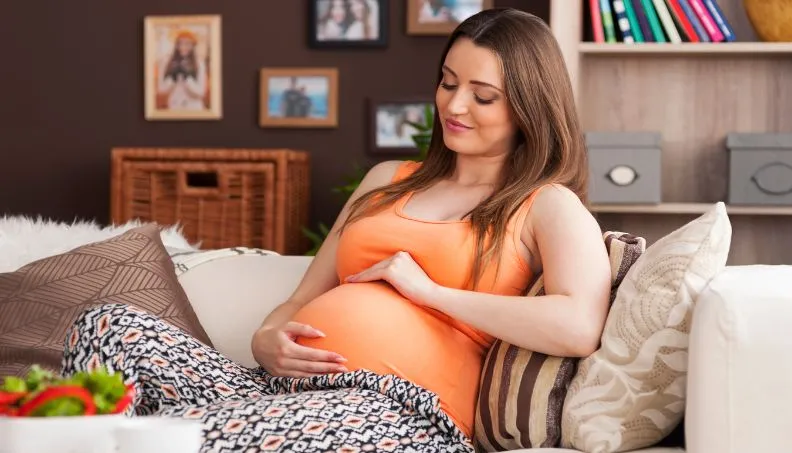
One of the most frequent questions I encounter during consultations is whether a natural birth is an option after assisted conception.
Having guided countless families through this journey as an IVF Specialist with over 10+ years of experience, I understand the anxiety behind this question.
The short answer is yes, a normal vaginal delivery after IVF is absolutely possible and happens very often, provided your pregnancy is uncomplicated and both you and the baby are healthy.
At our IVF specialist clinic in New Delhi, we believe that while the method of conception is different, the pregnancy itself often progresses just like a natural one.
Your body is capable of birthing naturally, and unless there is a specific medical indication for surgery, we always encourage and support the possibility of a vaginal birth.
Key Takeaways
- Conception method ≠ Delivery method: IVF itself is not a medical reason for a C-section.
- Individual assessment matters: Decisions are based on maternal health, baby’s position, and placenta health.
- Safety first: Doctors prioritise the safest route for the baby, whether that is natural birth or surgery.
- Preparation helps: Antenatal classes and staying active can improve your chances of a normal delivery.
Does an IVF pregnancy always classify as ‘high-risk’ requiring surgery?
There is a common misconception that because a pregnancy is precious and achieved through medical assistance, it must be delivered surgically to be “safe”. This is simply not true.
While we monitor IVF pregnancies closely, the mode of conception does not dictate the mode of delivery. If your pregnancy has been smooth, your blood pressure is normal, and the baby is growing well, you are generally treated as a low-risk mother when it comes to labour.
However, it is important to understand high-risk pregnancy after IVF — what extra precautions do I need? Many IVF patients may be of advanced maternal age or have underlying conditions like PCOS, which require more frequent screenings.
These factors might necessitate closer monitoring, but they do not automatically rule out a normal delivery.
What medical factors will determine if I can have a natural birth?
We evaluate every expectant mother on a case-by-case basis. Several clinical factors play a role in determining whether a vaginal birth is safe for you.
The position of the placenta is crucial. If you have placenta previa (where the placenta covers the cervix), a natural birth is not possible.
The baby’s position is equally important. A baby in a cephalic (head-down) position is ideal for normal delivery. If the baby is breech (feet first) or transverse (lying sideways), we may need to discuss surgical options.
Your general health, including blood pressure and blood sugar levels, also guides our decision. We focus on ensuring your body is physically ready for the endurance of labour.
Dr Mannan IVF Centre
Experience world-class fertility care with Dr. Mannan Gupta at the Best IVF Centre in Delhi
How does my age or fertility history affect my delivery options?
It is true that advanced maternal age (usually over 35) can sometimes be associated with a higher likelihood of medical interventions.
Older mothers may have a slightly higher chance of developing gestational diabetes or pre-eclampsia, which leads us to recommend high-risk pregnancy care in New Delhi to manage these conditions effectively.
However, age alone is not a barrier. I have supported many women in their late 30s who have had successful, uncomplicated vaginal births. Your biological age matters less than your overall physical fitness and obstetric health.
Are there specific risks I should worry about during labour?
Labour is a dynamic process, and this applies to both natural and IVF pregnancies. The primary “risk” we monitor in IVF pregnancies is ensuring the placenta functions well until the very end.
Sometimes, in precious pregnancies, doctors may have a lower threshold for intervention. This means if we detect any signs of fetal distress—such as a drop in the baby’s heart rate—we may act quickly to perform a C-section.
This isn’t because you cannot deliver naturally, but because we are committed to providing the best IVF treatment in New Delhi, which includes ensuring the absolute safety of your newborn.
What steps can I take to improve my chances of a normal delivery?
Preparation is key. Just because you conceived via IVF doesn’t mean you should wrap yourself in cotton wool.
Stay active: Unless you have been put on bed rest for a medical reason, walking and prenatal yoga can help position the baby correctly.
Attend antenatal classes: Understanding the stages of labour reduces fear. Fear increases tension, which can prolong pain and labour.
Maintain a healthy diet: excessive weight gain can lead to larger babies, which might make a natural delivery more challenging. Keeping your nutrition balanced is one of the best things you can do for your labour prospects.
When would a Caesarean section be the safer choice for my baby?
While we support natural birth, we must also embrace the C-section when it is the safer route. It is not a failure; it is a life-saving medical tool.
We would recommend a C-section if you are carrying multiples (twins or triplets), though some twin vaginal births are possible.
If you have had extensive uterine surgery in the past (like myomectomy for fibroids), a C-section might be required to prevent uterine rupture.
Ultimately, the goal is a healthy mother and a healthy baby, regardless of how the delivery happens.
When weighing your options, comparing normal delivery vs C-section — what is truly safer for mother and baby? can help you understand the risks and benefits of each. Ultimately, the goal is a healthy mother and a healthy baby, regardless of how the delivery happens.
Conclusion
The journey to motherhood via IVF is unique, but your birth story can be just as natural as anyone else’s. Do not let fear dictate your choices. Trust your body, stay informed, and maintain an open dialogue with your care team.
At our centre, we are dedicated to walking this path with you, ensuring you feel confident, safe, and supported every step of the way.
Have questions about your delivery options after IVF? Call Dr. Mannan IVF Centre today at +91 97116 81986 to speak with our specialists and get personalized guidance.
Frequently Asked Questions
1. Is labour pain more intense for IVF pregnancies compared to natural ones?
No, the physical sensation of labour contractions is the same regardless of how you conceived. The mechanism of the uterus contracting to dilate the cervix is identical. Pain management options, such as epidurals, are available and safe for IVF mothers just as they are for natural conceptions.
2. Will my IVF baby be smaller or weaker, making natural birth difficult?
Not necessarily. Most babies conceived via IVF are of average weight and size. However, multiple pregnancies (twins) are more common in IVF, which can result in smaller birth weights. If you are carrying a singleton, their size is usually determined by genetics and placental health, not the IVF process itself.
3. Can I induce labour if I conceive through IVF?
Yes, induction of labour is possible and common. If your pregnancy goes beyond the due date or if there are medical reasons to deliver the baby earlier (like mild high blood pressure), your doctor may recommend induction. We carefully monitor the baby’s response to induction to ensure safety.
4. How long does recovery take after a normal delivery for an IVF mother?
Recovery time is typically the same as a natural conception—about 6 weeks for a full physiological recovery. Most mothers feel well enough to move around within a few days. However, because emotional stress may have been higher during the fertility journey, we encourage taking extra time for mental rest and bonding.
5. Does having a C-section for my first IVF baby mean I can't have a normal delivery for the second?
Not always. A Vaginal Birth After Caesarean (VBAC) is often possible if the reason for the first C-section was non-recurrent (like a breech baby) and your pregnancy is healthy. We would assess your scar thickness and overall health before recommending a trial of labour.
