

Dr Mannan Gupta
Medically Reviewed by Dr. Mannan Gupta On Mar 9, 2026
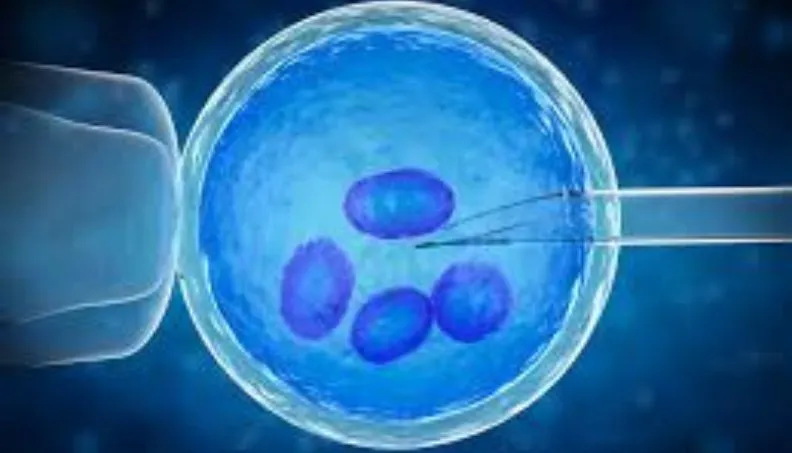
As an IVF specialist with over 10 years of experience, I, Dr. Mannan Gupta, have had countless conversations with women about their reproductive future.
A common and hopeful question I hear is whether freezing eggs can act as a definitive insurance policy for having a baby later in life.
The truth is, while this technology is a powerful tool for preserving fertility, frozen eggs significantly increase your chances of a future pregnancy but cannot offer an absolute guarantee.
The journey from a frozen egg to a healthy baby involves several biological and procedural steps, each with its own set of variables.
Key Takeaways
- Not a Guarantee: Egg freezing is a proactive step to preserve fertility, but it does not promise a future pregnancy.
- Age is Critical: The success of using frozen eggs is most strongly linked to the age at which they were frozen, with the best outcomes for women under 35.
- Multiple Factors at Play: Success depends on the number and quality of eggs frozen, the expertise of the fertility clinic, and the health of the individual when they decide to use them.
A Multi-Step Journey: Each phase, from thawing the eggs to fertilisation and embryo implantation, presents its own success rate, and not every egg will complete the journey.
At our egg freezing specialist clinic in New Delhi, we believe in empowering you with clear, honest information.
Understanding both the incredible potential and the realistic limitations of this technology is the first step towards making an informed decision that is right for you.
What is egg freezing, and how does it work?
Egg freezing, or oocyte cryopreservation, is a revolutionary medical procedure designed to pause a woman’s biological clock. The process involves carefully retrieving eggs from the ovaries and storing them for future use.
First, your ovaries are gently stimulated with hormone medications for about 10-14 days to produce multiple eggs in one cycle, instead of the usual single egg.
Next, these mature eggs are collected in a minor, minimally invasive procedure performed under light sedation.
Finally, the healthy, mature eggs are flash-frozen using a technique called vitrification. This ultra-rapid cooling process turns the eggs into a glass-like state, preventing the formation of ice crystals that could damage them. They are then stored in liquid nitrogen until you are ready to use them.
Does freezing eggs stop the biological clock?
In essence, yes. An egg frozen at age 30 will remain biologically 30, even if you decide to use it at age 40.
This is the primary benefit of the procedure—it preserves the genetic quality of your eggs at a younger, healthier stage.
However, it is important to remember that while the egg’s “age” is frozen in time, your body continues to age.
Your overall health and uterine environment when you choose to attempt pregnancy will also play a crucial role in the outcome. A successful pregnancy requires both a healthy embryo and a receptive uterus.
Dr Mannan IVF Centre
Experience world-class fertility care with Dr. Mannan Gupta at the Best IVF Centre in Delhi
What factors influence the success of frozen eggs?
The likelihood of achieving a live birth from a frozen egg is not a simple number; it is influenced by a combination of critical factors.
- Age at the time of freezing: This is the single most important predictor of success. Women who freeze their eggs before the age of 35 have the highest probability of a successful pregnancy, as their eggs are more likely to be chromosomally normal. Success rates begin to decline more noticeably after 38.
- Number of eggs frozen: More is generally better. Freezing a larger number of eggs increases the statistical probability that you will have enough healthy ones to create a viable embryo. We typically recommend aiming for 15-20 mature eggs for a good chance at one live birth.
- Egg and sperm quality: The quality of both the egg and the sperm used for fertilisation is fundamental to creating a healthy embryo.
- Clinic expertise: The experience of the clinical team and the quality of the embryology lab are paramount. The skill involved in the vitrification and thawing processes directly impacts egg survival rates.
What are the success rates of frozen eggs?
It’s helpful to view the path to pregnancy as a funnel, where the number of viable candidates decreases at each stage.
- Survival Rate: With modern vitrification techniques, over 90% of frozen eggs successfully survive the thawing process.
- Fertilisation Rate: Of the eggs that survive thawing, approximately 70-80% will successfully fertilise when injected with a single sperm (a process called ICSI).
- Live Birth Rate: The chance of a single frozen egg leading to a live birth ranges from about 4% to 12%, with the higher end of that range being for eggs frozen from women under 35.
These statistics underscore why freezing a good number of eggs is so important to maximise your future chances.
Ready to preserve your fertility? Book your egg freezing consultation at Dr. Mannan IVF Centre today! Visit or call our helpline now.
What are the challenges and risks of using frozen eggs?
While egg freezing is a powerful option, it’s essential to be aware of the potential hurdles. The primary challenge is that success is not guaranteed at any step.
- Thawing: A small percentage of eggs may not survive the thaw.
- Fertilisation: Not every thawed egg will fertilise, even with advanced IVF techniques.
- Embryo Development: Some fertilised eggs may not develop into healthy embryos capable of implantation.
- Implantation: A healthy embryo may not successfully implant in the uterus.
- Maternal Age: Even with a young, healthy egg, pregnancy at an older maternal age can carry a higher risk of complications.
The emotional and financial investment can also be significant, which makes managing expectations a crucial part of the process.
How can you improve your chances of success with frozen eggs?
While you cannot turn back the clock, you can take proactive steps to improve your odds.
- Act Sooner, Not Later: If you are considering egg freezing, the best advice is to do it as early as possible, ideally in your late 20s or early 30s.
- Aim for a Good Number: Work with your specialist at a leading Fertility Clinic in New Delhi to determine the optimal number of eggs to freeze based on your age and ovarian reserve. You may need more than one cycle.
- Choose a Reputable Clinic: Select a clinic with a proven track record, state-of-the-art laboratory, and experienced embryologists.
- Maintain a Healthy Lifestyle: A healthy diet, regular exercise, and avoiding smoking and excessive alcohol can improve your overall fertility and health, which is beneficial both now and when you decide to use your eggs.
Lifestyle Tips for Egg Quality
Improving and maintaining egg quality is vital for successful egg freezing and future fertility. Here are some lifestyle tips to enhance egg health:
- Follow a Balanced Diet: Incorporate plenty of fresh fruits, vegetables, whole grains, and lean proteins into your diet. Foods rich in antioxidants, like berries and leafy greens, can help combat oxidative stress, which may affect egg quality.
- Stay Hydrated: Proper hydration supports healthy blood circulation, which is essential for ovarian function and overall reproductive health.
- Prioritise Sleep: Aim for 7-8 hours of restful sleep each night. Adequate sleep helps regulate hormonal balance, which is crucial for egg development.
- Manage Stress: High stress levels can negatively impact hormonal balance. Practising stress-relief techniques such as yoga, meditation, or deep breathing can promote relaxation and overall well-being.
- Limit Toxins: Avoid exposure to environmental toxins, such as pesticides and heavy metals, as these may harm egg quality. Opt for natural products and organic foods when possible.
By making these lifestyle adjustments, you can optimise your fertility health and improve the chances of achieving your family planning goals.
What are the emotional aspects of relying on frozen eggs?
Placing your hopes for a future family on frozen eggs can bring a mix of emotions. Many women feel empowered and relieved, having taken control of their reproductive timeline.
However, it can also bring anxiety about whether the process will ultimately be successful.
The financial investment and the physical demands of the treatment cycle can add to the stress.
It is vital to have a strong support system and to communicate openly with your healthcare providers about your feelings. Seeking support from a counsellor who specialises in fertility can also be incredibly helpful.
Is egg freezing worth it for you?
This is a deeply personal question. Egg freezing can be a life-changing decision for women who wish to delay motherhood for personal or professional reasons.
It is also an essential option for those facing medical treatments, like chemotherapy for cancer, that could compromise their fertility.
The best way to determine if it is the right path for you is through a thorough and honest consultation with a fertility specialist who can assess your individual circumstances and help you set realistic expectations.
Conclusion
Egg freezing is a remarkable advancement in reproductive medicine that offers women unprecedented freedom and hope.
While it is not a foolproof guarantee of a future baby, it is the most effective and scientifically-proven method available to preserve your fertility.
By banking healthy eggs at a younger age, you give your future self the best possible chance to build the family you dream of, on your own terms.
At Dr. Mannan IVF Centre, we are committed to providing you with the expertise, care, and support needed to navigate this important journey with confidence.
Frequently Asked Questions
1. What is the best age to freeze eggs for maximum success?
The ideal age is in the late 20s to early 30s. This is when egg quality and quantity are at their peak, giving you the highest probability of a successful outcome in the future.
2. How many eggs should I freeze for one successful pregnancy?
While it varies by age, a general guideline is to freeze 15-20 mature eggs to have a high chance of at least one live birth. Women over 38 may need to freeze more.
3. Can frozen eggs be used after 10 years?
Yes. There is no evidence to suggest that the length of time an egg is stored in liquid nitrogen has any negative impact on its quality. They can be stored indefinitely.
4. What are the main risks when it comes time to use frozen eggs?
The main risks are that an egg may not survive the thawing process, may not fertilise successfully after being thawed, or the resulting embryo may not implant in the uterus.
5. So, does egg freezing guarantee a baby?
No, it does not. It is a highly effective way to increase your probability of having a baby later in life, but it is not a 100% guarantee. Success depends on many factors, most importantly your age at the time of freezing.
