

Dr Mannan Gupta
Medically Reviewed by Dr. Mannan Gupta On Jan 16, 2026
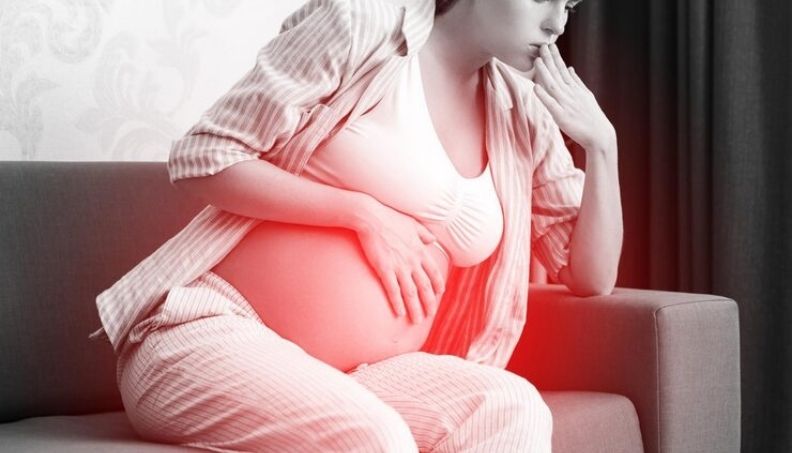
Seeing blood when you are expecting is one of the most frightening moments for any parent-to-be. The immediate thought is often that something is terribly wrong.
However, as an IVF specialist with over 10 years of experience helping couples build families, I want to offer you some immediate reassurance. Bleeding during pregnancy is relatively common and does not always mean you have a high-risk pregnancy or that you are losing the baby.
While it is a symptom that always requires medical attention, many women experience spotting or bleeding and go on to have healthy pregnancies and healthy babies.
At our IVF specialist clinic in New Delhi, we often see patients who are understandably panicked by spotting. It is crucial to understand that the significance of bleeding depends heavily on when it occurs, how heavy it is, and what other symptoms accompany it.
Key Takeaways
- Not Always High-Risk: Light spotting, especially in the first trimester, is often harmless and not a sign of miscarriage.
- Timing Matters: Bleeding in the first trimester has different causes (like implantation) compared to the second or third trimester (placental issues).
- Immediate Action: Always inform your doctor about any bleeding, but do not assume the worst immediately.
- Pain is a Factor: Bleeding accompanied by severe cramping or pain is more concerning than painless spotting.
- IVF Factor: Pregnancies conceived via IVF may have slightly higher rates of spotting due to medication and procedural factors.
Why does bleeding happen in early pregnancy, and is it normal?
In the first 12 weeks, bleeding or ‘spotting’ is surprisingly common, affecting up to 25% of pregnant women. In many cases, this is not a sign of a problem with the baby.
One common cause is implantation bleeding, which happens when the fertilised egg attaches to the lining of the uterus. This usually manifests as very light pink or brown spotting around the time your period would have been due.
Another reason is simply the increase in blood supply to the cervix. During pregnancy, the cervix becomes much more vascular and softer. Simple activities like a pelvic exam or sexual intercourse can cause minor bleeding.
This is usually harmless and stops on its own. It is your body adjusting to the massive changes required to support new life.
When does bleeding indicate a potential miscarriage or ectopic pregnancy?
While we always hope for the best, we must be vigilant about the warning signs. Bleeding becomes a concern if it is heavy (soaking through a pad) or accompanied by severe abdominal pain or cramping.
An ectopic pregnancy—where the embryo implants outside the uterus, usually in the fallopian tube—is a medical emergency. Symptoms often include sharp, one-sided pain, dizziness, and bleeding.
Similarly, a threatened miscarriage often presents with heavier bleeding and cramping. Early detection is vital, which is why we emphasise early scanning for all our patients.
Does bleeding later in pregnancy mean I need high-risk care?
Bleeding in the second or third trimester is generally treated with more caution than early spotting. It can sometimes indicate issues with the placenta, such as placenta praevia (where the placenta covers the cervix) or placental abruption (where the placenta separates from the wall of the uterus).
These conditions usually require specialised high-risk pregnancy care in New Delhi. If you are diagnosed with a placental issue, your pregnancy will be monitored very closely to ensure the safety of both you and your baby.
However, even with these diagnoses, proper management often leads to a safe delivery.
Can IVF pregnancies experience bleeding without being high-risk?
Yes, this is a very common query we receive. Patients who have undergone the best IVF treatment are often hyper-aware of every symptom because of the emotional journey they have travelled.
In IVF pregnancies, you are often taking progesterone support (vaginal suppositories or injections). Vaginal progesterone can sometimes irritate the cervix, leading to light spotting.
This is usually not related to the health of the pregnancy itself.
Additionally, if more than one embryo was transferred, the “vanishing twin” phenomenon can sometimes cause bleeding while the remaining baby continues to grow healthily.
How do doctors evaluate bleeding to determine the level of risk?
When you come to us with bleeding, our first step is to check the baby’s heartbeat. A strong heartbeat on an ultrasound is the most reassuring sign we look for.
We will typically perform:
- Ultrasound Scan: To check the location of the pregnancy, the placenta, and the baby’s wellbeing.
- Physical Exam: To see if the cervix is open or closed and to check for polyps or injury.
- Blood Tests: To measure levels of hCG (pregnancy hormone) and progesterone to ensure they are rising appropriately.
Based on these results, we determine if the pregnancy is progressing normally or if intervention is needed.
Dr Mannan IVF Centre
Experience world-class fertility care with Dr. Mannan Gupta at the Best IVF Centre in Delhi
Will bleeding affect my delivery plan or require a C-section?
This depends entirely on the cause of the bleeding. If the bleeding was due to a minor issue in early pregnancy that resolved, you can absolutely aim for a normal vaginal delivery.
However, if the bleeding is caused by persistent complications like placenta praevia, a Caesarean section (C-section) will be necessary for safety.
Understanding what actually makes a pregnancy ‘high risk’ in India can help you prepare for these shifts in your birth plan, as factors like placental position or pre-existing health conditions often dictate the safest delivery method. Our priority is always the safety of the mother and child.
How can I cope emotionally with the fear of bleeding?
The sight of blood can shatter your confidence in your pregnancy. It is normal to feel scared, anxious, or even guilty, but please remember: you did nothing to cause this. Lifting a grocery bag or minor stress did not cause the bleeding.
To manage the anxiety:
- Stay off Google: Every pregnancy is unique, and online forums often highlight worst-case scenarios.
- Trust your Medical Team: Rely on your doctor’s assessment rather than self-diagnosis.
- Rest: While bed rest isn’t always medically necessary for all bleeding, taking it easy can help you feel more in control and relaxed.
Conclusion
To answer the main question: No, bleeding is not always a sign of a high-risk pregnancy. It is a symptom that demands respect and evaluation, but often, it is a hurdle that can be overcome with the right care.
Whether you conceived naturally or through assisted reproduction, your body is capable of amazing things.
At Dr. Mannan IVF Centre, Delhi we are committed to walking this path with you, providing the expertise and reassurance you need to navigate these uncertain moments and look forward to meeting your baby.
Frequently Asked Questions
1. Is brown discharge considered bleeding, and should I be worried?
Brown discharge is usually “old blood” that is making its way out of the body. It is generally less concerning than bright red, heavy bleeding. However, you should still mention it to your doctor during your next visit or call them if it persists or turns red.
2. Can sexual intercourse cause miscarriage if I have had bleeding?
In a healthy pregnancy, sex does not cause miscarriage. However, if you have experienced bleeding, your doctor may recommend “pelvic rest” (avoiding intercourse) for a few weeks until the bleeding stops and the pregnancy is confirmed to be stable, just to prevent further irritation to the cervix.
3. Does heavy bleeding with clots always mean I have lost the baby?
While heavy bleeding with clots is a serious sign of a potential miscarriage, it is not a definitive diagnosis. In some cases of “threatened miscarriage” or subchorionic haematoma (a blood clot in the uterus), the bleeding can be heavy, yet the pregnancy continues. An ultrasound is the only way to know for sure.
4. If I bleed in this pregnancy, will I bleed in my next one?
Not necessarily. Every pregnancy is different. Just because you experienced spotting or complications in one pregnancy does not mean it will happen again. However, if the cause was a recurring issue (like a cervical issue), your doctor will monitor you closely next time.
5. When should I go to the emergency room for bleeding?
You should seek immediate emergency care if you are bleeding enough to soak a pad in an hour, if you feel faint or dizzy, or if you have severe, one-sided abdominal pain. These could be signs of haemorrhage or an ectopic pregnancy, requiring urgent attention.
