
What Postpartum Recovery Really Feels Like in 6 Weeks

Dr Mannan Gupta
Medically Reviewed by Dr. Mannan Gupta On May 26, 2026
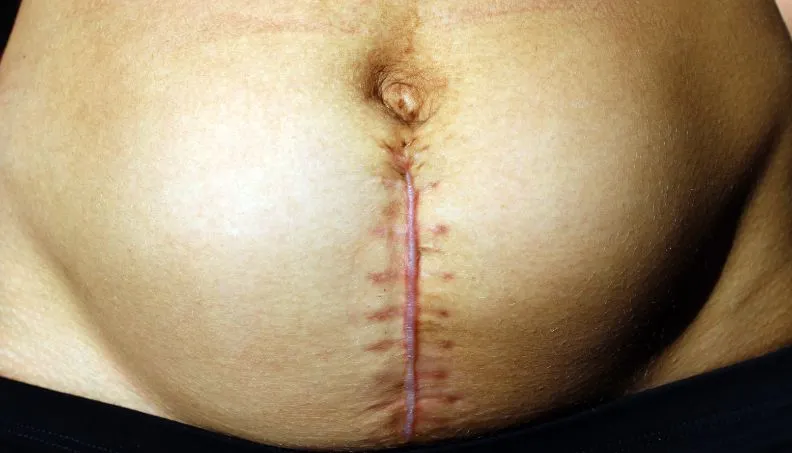
The first six weeks after delivery — whether vaginal or caesarean — involve significant physical healing, hormonal upheaval, emotional adjustment, and sleep deprivation happening simultaneously, and most women are genuinely unprepared for how demanding this period is because nobody describes it honestly.
Recovery is not linear, it is not always comfortable, and it looks different for every woman — but knowing what to expect makes it far more manageable.
At Dr. Mannan IVF Centre, New Delhi, Dr. Mannan Gupta, IVF and High-Risk Pregnancy Specialist, considers postpartum care as clinically important as antenatal care — not an afterthought once the baby arrives.
For women seeking structured postpartum care in New Delhi, the six-week postnatal period deserves the same medical attention and honest conversation as everything that preceded it.
Key Takeaways
- Postpartum recovery spans 6 weeks but full healing — physical and emotional — often takes longer
- Lochia (postpartum bleeding) is normal for up to 6 weeks; heavy clots or foul odour require evaluation
- C-section recovery involves abdominal wound healing on top of all standard postpartum changes
- Baby blues affect up to 80% of new mothers; postpartum depression affects 10–15% and requires treatment
- Pelvic floor rehabilitation should begin within days of delivery — not months later
- The 6-week postnatal check is not optional — it is a clinical necessity, not a formality
What Is Happening in Your Body During the First Week After Delivery?
The first seven days postpartum are the most physically intense — and the most under-discussed.
Your uterus, which expanded to accommodate a full-term baby, begins contracting back to its pre-pregnancy size immediately after delivery.
This process — called uterine involution — takes approximately 6 weeks and is often felt as cramping, particularly during breastfeeding.
Oxytocin released during feeding actively drives uterine contraction, which is clinically beneficial but physically uncomfortable, especially in women who have had previous pregnancies.
Lochia — the postpartum vaginal discharge — begins immediately after delivery and progresses through three distinct stages. Lochia rubra (bright red, heavy flow) lasts for the first 3–4 days. Lochia serosa (pinkish-brown, lighter) follows for approximately 2 weeks.
Lochia alba (yellowish-white) continues until around 6 weeks. Any sudden return to heavy red bleeding, passage of clots larger than a golf ball, or foul-smelling discharge should be reported to your doctor without delay.
Perineal pain after vaginal delivery — whether from an episiotomy, natural tear, or simply the pressure of delivery — is significant in the first week.
Ice packs in the first 24 hours, warm sitz baths from day two onward, and keeping the area clean and dry are the cornerstones of perineal wound management.
What Does C-Section Recovery Feel Like Compared to Vaginal Delivery?
This comparison matters because the two recovery paths are genuinely different — and women who delivered by caesarean are often surprised by how much is involved.
Recovery after delivery by C-section involves healing from major abdominal surgery simultaneously with all the standard postpartum changes every new mother experiences.
The uterine involution, lochia, hormonal shifts, and breastfeeding establishment all occur the same way — but overlaid on a surgical wound that requires its own specific care.
Recovery Aspect | Vaginal Delivery | C-Section |
Perineal pain | Common for 1–3 weeks | Not applicable |
Abdominal wound pain | Not applicable | Significant for 2–4 weeks |
Mobility restrictions | Minimal after 24–48 hours | Lifting restrictions for 4–6 weeks |
Return to driving | 1–2 weeks typically | 4–6 weeks minimum |
Internal healing | 4–6 weeks | 6–8 weeks (uterine scar) |
Bowel function | Usually returns in 1–2 days | May take 3–5 days |
C-section wound care involves keeping the incision clean and dry, watching for signs of infection — redness, warmth, discharge, or wound separation — and avoiding any lifting heavier than your baby for the first 4–6 weeks.
Abdominal binders can improve comfort and support during the early recovery period, though they do not accelerate healing.
Dr Mannan IVF Centre
Experience world-class fertility care with Dr. Mannan Gupta at the Best IVF Centre in Delhi
What Are the Hormonal Changes That Make the First Two Weeks So Emotionally Turbulent?
Within 24–72 hours of delivery, oestrogen and progesterone levels drop sharply — a fall more dramatic than at any other point in a woman’s life, including menopause. This hormonal cliff is the primary driver of what is clinically termed the “baby blues.”
Baby blues affect up to 80% of new mothers and are characterised by tearfulness, irritability, mood swings, anxiety, and emotional sensitivity that feel disproportionate to circumstances. They typically peak around day 3–5 and resolve spontaneously within 2 weeks as hormones stabilise.
This is a normal physiological response — not a sign of weakness, ingratitude, or inability to cope. It requires acknowledgement, rest, and support — not dismissal.
What requires medical attention is when these symptoms do not resolve within 2 weeks, or when they are accompanied by persistent hopelessness, inability to bond with the baby, intrusive thoughts, or inability to function.
This may indicate postpartum depression (PPD), which affects 10–15% of new mothers in India and responds well to treatment — but only when it is identified and addressed rather than normalised into silence.
Struggling with postpartum recovery — physically or emotionally? You do not have to manage this alone. Speak with Dr. Mannan Gupta at Dr. Mannan IVF Centre, New Delhi for dedicated postnatal support.
What Physical Symptoms Are Normal — and Which Are Warning Signs?
This distinction is where honest postpartum education saves lives.
Normal and expected in the first 6 weeks:
- Fatigue that feels unlike anything you have experienced before — this is physiological, not psychological
- Night sweats — the body eliminating excess fluid retained during pregnancy through perspiration
- Hair loss starting around weeks 3–4, caused by oestrogen withdrawal; this is temporary and self-resolving
- Breast engorgement, nipple tenderness, and in the first few days, the discomfort of milk coming in
- Haemorrhoids, if present during delivery, worsening temporarily postpartum
- Mild urinary leakage with coughing or sneezing — stress urinary incontinence from pelvic floor stretching
Symptoms that require same-day medical contact:
- Fever above 38°C at any point in the first 6 weeks
- Heavy bleeding — soaking more than one pad per hour for two consecutive hours
- Signs of wound infection (C-section or perineal) — increasing pain, redness, swelling, or discharge
- Calf pain, swelling, or redness — possible deep vein thrombosis (DVT), a known postpartum risk
- Chest pain or shortness of breath — possible pulmonary embolism, a medical emergency
- Severe headache with visual changes — possible postpartum pre-eclampsia
- Thoughts of self-harm or harming the baby — emergency psychiatric support is required
Postpartum women are at elevated risk for several serious conditions. Knowing these warning signs is not alarmist — it is clinically protective.
How Should You Approach Nutrition and Physical Activity in the First 6 Weeks?
Postpartum healing tips begin with understanding that your body is simultaneously healing, producing milk, and managing a sleep deficit — all of which dramatically increase nutritional demands.
Caloric needs during exclusive breastfeeding increase by approximately 400–500 calories above baseline.
Protein, iron, calcium, and omega-3 intake all require specific attention. Iron-rich foods are particularly important — significant blood loss during delivery, combined with the demands of lactation, makes postpartum anaemia a common and frequently under-diagnosed condition in Indian women.
Pelvic floor exercises (Kegel exercises) can and should begin within 24–48 hours of a vaginal delivery and within the first week after C-section.
The pelvic floor has sustained significant load throughout pregnancy and the stretching or pressure of delivery.
Early rehabilitation prevents long-term urinary incontinence, pelvic organ prolapse, and sexual dysfunction — conditions that are common but not inevitable.
General physical activity should resume gradually. Short walks from the first week, progressively increasing in duration.
No high-impact exercise, heavy lifting, or abdominal crunches before the 6-week postnatal clearance — and even then, the return to exercise should be guided by how the pelvic floor is functioning, not just the calendar.
For women in Ghaziabad or West Delhi managing postpartum recovery without adequate family support, structured guidance from a post delivery care clinic in New Delhi ensures that this critical window is managed safely rather than survived haphazardly.
What Happens at the 6-Week Postnatal Check and Why Does It Matter?
The six-week postnatal appointment is not a routine formality — it is a comprehensive clinical review that covers ground most new mothers do not expect.
Your doctor will assess:
- Uterine involution — whether the uterus has returned to normal size and position
- C-section wound or perineal healing — scar integrity, sensation, and any concerning features
- Blood pressure — postpartum hypertension and late-onset pre-eclampsia can present weeks after delivery
- Anaemia — a full blood count identifies iron deficiency that may be impairing energy and milk supply
- Mental health screening — a validated tool such as the Edinburgh Postnatal Depression Scale (EPDS) should be administered, not merely discussed informally
- Contraception counselling — ovulation can return before the first postnatal period, sometimes as early as 3 weeks postpartum in non-breastfeeding mothers
- Return to sexual activity — physical readiness, pelvic floor status, and any dyspareunia concerns
This appointment is also your opportunity to raise everything that has felt difficult, confusing, or alarming in the preceding six weeks. Nothing is too minor to mention.
Conclusion
The first six weeks after delivery are among the most physically and emotionally demanding of a woman’s life — and they deserve to be met with honest preparation, clinical support, and genuine compassion rather than the culture of silent endurance that too many new mothers navigate alone.
At Dr. Mannan IVF Centre, postpartum care is built into every patient’s journey — not an endpoint after the baby arrives, but a continuation of the same standard of attentive, evidence-based care that guided the pregnancy itself.
If your recovery feels harder than you expected, something does not feel right, or you simply need a space where your postpartum experience is taken seriously — come speak with us. Healing well is not a luxury. It is what you deserve.
Frequently Asked Questions
1. When is it safe to have sex again after delivery?
Most guidelines recommend waiting until after the 6-week postnatal check before resuming penetrative intercourse — this allows time for perineal or C-section wounds to heal and the cervix to close fully, reducing infection risk. However, physical readiness varies significantly between women. Pelvic floor discomfort, vaginal dryness from low oestrogen during breastfeeding, and emotional readiness all factor in. There is no universal timeline — the 6-week mark is a minimum, not a target.
2. Is it normal to feel absolutely nothing — no happiness, no connection — toward my baby in the first week?
Yes, and this is more common than most new mothers admit publicly. Immediate overwhelming love is a cultural narrative — not a universal experience. The bond between mother and baby often develops gradually over days and weeks, influenced by sleep deprivation, pain, hormonal shifts, and the sheer shock of new parenthood. If absence of connection persists beyond two to three weeks and is accompanied by low mood or anxiety, it warrants evaluation for postpartum depression — but in the first week, it is within the range of normal human experience.
3. My hair is falling out in clumps at 3 months postpartum. Is this normal?
Yes — this is called postpartum telogen effluvium and it is entirely normal. During pregnancy, elevated oestrogen prolongs the hair growth phase, resulting in thicker, fuller hair. After delivery, oestrogen drops and a disproportionate number of hairs enter the shedding phase simultaneously, causing the dramatic loss women notice around 3–4 months postpartum. It is self-limiting and hair density typically returns to baseline by 6–12 months. Severe or prolonged hair loss beyond 12 months warrants thyroid evaluation.
4. I am 5 weeks postpartum and still bleeding lightly. When should I be concerned?
Light lochia alba — the final pale yellowish stage of postpartum discharge — can persist until 6 weeks and is normal. Concern arises if the flow suddenly becomes heavier, turns bright red again after having lightened, is accompanied by a foul odour, or is associated with fever or pelvic pain. Any of these should be reported to your doctor promptly, as they can indicate retained placental tissue or postpartum endometritis (uterine infection).
5. Can postpartum depression develop after a seemingly smooth delivery and a healthy baby?
Absolutely — and this misconception delays diagnosis more than almost any other. Postpartum depression is not caused by a difficult birth or an unwell baby. It is a hormonal and neurochemical condition with a strong biological basis, influenced by oestrogen withdrawal, prior mental health history, sleep deprivation, and social support levels. Women with uncomplicated deliveries and healthy, wanted babies develop PPD at the same rates as those with difficult births. The circumstances of the delivery have no bearing on whether PPD develops.
