

Dr Mannan Gupta
Medically Reviewed by Dr. Mannan Gupta On Mar 26, 2026
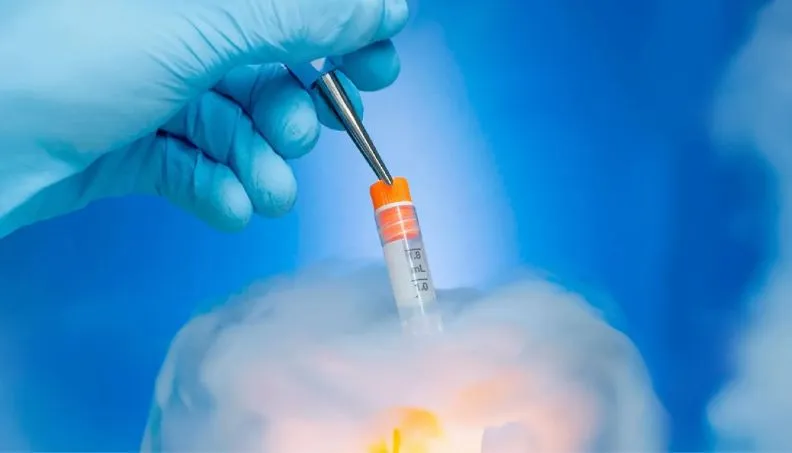
An egg freezing treatment cycle is a carefully managed 2-to-3-week process that involves four main stages: initial consultation and testing, ovarian stimulation with daily injections, a minimally invasive egg retrieval procedure, and finally, the cryopreservation (freezing) of your eggs.
I am Dr Mannan Gupta, an IVF Specialist with over 10 years of experience. I understand that the thought of undergoing a medical procedure can feel daunting.
My goal is to demystify the egg freezing process, breaking it down into clear, manageable steps so you know exactly what to expect.
We believe that knowledge empowers you to approach your fertility journey with confidence and peace.
At our egg freezing specialist clinic in New Delhi, we ensure you are informed and supported at every stage.
Key Takeaways
- The entire process is relatively short: From the first day of medications to the egg retrieval, the active phase of the cycle typically lasts for about 10 to 14 days.
- Personalised care is crucial: Your medication protocol and monitoring schedule are tailored specifically to you based on initial fertility tests.
- The egg retrieval is a minor procedure: It is performed under light sedation and takes only about 15-20 minutes, with a quick recovery time for most women.
- Support is always available: Our team is here to guide you through every step, from learning to administer injections to managing the emotional aspects of the journey.
How Does the Egg Freezing Journey Begin?
The first step is always a conversation. Your journey begins with an initial consultation where we discuss your personal goals, medical history, and timeline. This is your opportunity to ask every question you have.
To create a personalised treatment plan, we need a clear picture of your reproductive health. This involves two simple but vital diagnostic tests:
- Ovarian Reserve Testing: A blood test measures your Anti-Müllerian Hormone (AMH) level, which gives us an estimate of your remaining egg supply.
- Antral Follicle Count: A transvaginal ultrasound allows us to count the small, resting follicles in your ovaries. This helps us predict how well your ovaries will respond to stimulation.
These results are not a definitive measure of your fertility, but they are essential tools that help us tailor your treatment for the best possible outcome.
Egg Freezing Treatment Cycle: Step by Step
- Initial Consultation: The process begins with a comprehensive consultation where your medical history, fertility goals, and any concerns are discussed. You’ll also undergo necessary fertility tests, including those measuring ovarian reserve.
- Ovarian Stimulation: To produce multiple eggs, you’ll start a course of hormone injections that stimulate your ovaries. This phase typically lasts 10-14 days, with regular monitoring through blood tests and ultrasounds to track your response.
- Egg Maturation Trigger: When the follicles are mature, a trigger injection is administered to stimulate final egg maturation. Timing is crucial, as egg retrieval takes place approximately 36 hours later.
- Egg Retrieval: Using a minor surgical procedure under sedation, mature eggs are retrieved directly from your ovaries with the help of ultrasound guidance. The procedure is typically pain-free and quick, lasting around 20-30 minutes.
- Egg Freezing: After retrieval, the viable eggs are assessed and frozen using vitrification, a rapid freezing technique that preserves their quality. They are then stored securely for future use.
This step-by-step approach is designed to optimise the number and quality of eggs retrieved while ensuring your comfort and safety throughout the process.
What Happens During the Ovarian Stimulation Phase?
Once your tests are complete and we have a plan, the active part of the cycle begins, usually on the second or third day of your menstrual period. This phase is called ovarian stimulation.
One factor that significantly shapes your stimulation protocol and overall outcome is your age, which also plays a key role in determining success.
Understanding egg freezing success rates by age can help set realistic expectations before you begin.
In a natural cycle, your body matures and releases just one egg. For egg freezing, we want to mature multiple eggs to increase your chances of future success.
To do this, you will self-administer daily hormone injections for approximately 8 to 12 days.
These medications are forms of Follicle-Stimulating Hormone (FSH) and Luteinizing Hormone (LH), the same hormones your body uses naturally.
The injections use very fine needles and are administered just under the skin of your abdomen. Our nursing team will provide thorough training to ensure you feel comfortable and confident giving them.
Throughout this period, you will visit the clinic every few days for monitoring. These appointments involve a quick blood test and an ultrasound to track the growth of your follicles and ensure your hormone levels are optimal.
Dr Mannan IVF Centre
Experience world-class fertility care with Dr. Mannan Gupta at the Best IVF Centre in Delhi
How Are the Eggs Retrieved?
When your follicles have reached the ideal size, it is time for the egg retrieval. This is scheduled with precise timing, about 36 hours after you take a final “trigger shot” injection. This special medication signals the eggs to complete their maturation process.
The egg retrieval is a minimally invasive procedure performed at our clinic. Here is what you can expect on the day:
- You will be placed under light sedation or general anaesthesia, so you will be comfortable and asleep during the procedure.
- Using ultrasound guidance, I will pass a very thin needle through the vaginal wall and into each ovarian follicle.
- The fluid from each follicle, which contains the egg, is gently drawn out and collected in a test tube.
- The entire process takes only about 15 to 20 minutes.
Our embryology team is present in the operating theatre to immediately examine the fluid and identify the mature eggs.
Take the First Step Towards Preserving Your Options
Understanding the egg freezing cycle is the first step. The next is a personal conversation about your unique goals. We invite you to book a consultation at Dr Mannan IVF Centre, a leading Fertility Clinic in New Delhi, for an expert evaluation.
Schedule your appointment today by visiting or calling our dedicated team.
What Steps Are Involved in the Egg Freezing Journey?
Your journey at our clinic is designed to be clear, supportive, and efficient.
- Initial Consultation and Testing: We start with a fertility assessment, including a blood test for Anti-Müllerian Hormone (AMH) and an ultrasound. This helps us estimate your ovarian reserve (egg count) and predict your response to treatment.
- Ovarian Stimulation: You will self-administer hormone injections for about 10-12 days. These medications help multiple eggs mature at once, rather than the single egg your body would normally prepare.
- Egg Retrieval: This is a short, minimally invasive procedure performed under light sedation at our freezing eggs hospital. It takes about 15-20 minutes, and you will not feel any discomfort.
- Vitrification and Storage: Our expert embryologists immediately freeze the collected mature eggs and place them into secure, long-term storage.
What Should I Expect During Recovery?
Recovery after the egg retrieval is usually swift. Most women are able to go home within an hour or two of the procedure. We recommend taking the rest of the day to relax.
You may experience some mild cramping, bloating, or light spotting, which typically resolves within a couple of days.
Over-the-counter pain relief is usually sufficient to manage any discomfort. Most patients feel ready to return to work and normal daily activities the following day, although we advise avoiding strenuous exercise for about a week.
How Are My Eggs Frozen and Stored?
Immediately after retrieval, your mature eggs are taken to our specialised laboratory. They are then frozen using a state-of-the-art technique called vitrification.
This flash-freezing process cools the eggs so rapidly that damaging ice crystals do not have a chance to form.
If you’d like to understand more about the best and safest egg freezing methods used in IVF treatment, we have a detailed guide that walks you through the science behind it.
The eggs are then moved into secure cryogenic storage tanks, where they can remain safely preserved, without ageing, until you are ready to use them.
Conclusion
The egg freezing treatment cycle is a well-established and streamlined process designed with your comfort and success in mind.
From the initial tests to the final preservation of your eggs, our team at Dr Mannan IVF Centre guides you with expertise and empathy.
By taking this proactive step, you are giving yourself the invaluable gifts of time and choice, securing your option to build a family on your own terms. We are here to support you through every step of this empowering journey.
Frequently Asked Questions
1. Is the egg freezing process painful?
The daily injections use a very fine needle and are generally well-tolerated, causing minimal discomfort. The egg retrieval procedure itself is performed under sedation, so you will not feel any pain. Post-procedure cramping is common but is typically mild and manageable with standard pain relief medication.
2. Can I continue with my normal life during the stimulation phase?
For the most part, yes. You can continue to work and go about your daily routine. However, as your ovaries enlarge, you may feel bloated or uncomfortable. We advise against high-impact exercise, heavy lifting, and intercourse during the later stages of stimulation to protect your ovaries.
3. What are the main risks associated with the egg freezing cycle?
The primary medical risk is Ovarian Hyperstimulation Syndrome (OHSS), a rare reaction to the hormone medications. With modern protocols and careful monitoring, severe OHSS is very uncommon. Other risks, such as bleeding or infection from the retrieval, are also rare.
4. How soon can I start an egg freezing cycle?
You can typically start a cycle as soon as your initial testing is complete. The stimulation process begins on day 2 or 3 of your menstrual period. If you are on hormonal birth control, we will guide you on when to stop it before beginning your cycle.
5. Will freezing my eggs affect my future natural fertility?
No. The eggs retrieved during a freezing cycle are eggs that would have been lost in that particular month’s cycle anyway. The process does not deplete your overall ovarian reserve or impact your ability to conceive naturally in the future.
