
High-Risk Pregnancy Care Clinic in New Delhi
Comprehensive monitoring and expert care to manage conditions like diabetes, hypertension, and multiple pregnancies early. Ensuring a safer pregnancy journey and the best possible outcome for mother and baby.
Key Facts
- High-risk pregnancy
- Specialised monitoring
- Maternal safety
- Fetal safety
- Healthy delivery
For any IVF / Fertility related query, concern or help, just call us
At Dr Mannan IVF Centre in Delhi, I understand that the term “high-risk pregnancy” can sound frightening. It brings a cloud of worry over what should be a joyful time.
However, I want to reassure you that this label does not mean something bad will happen. It simply means your pregnancy requires extra vigilance, closer monitoring, and a higher level of medical expertise to ensure the best possible outcome for you and your baby.
Whether you have conceived naturally or through IVF, as a dedicated high-risk pregnancy doctor in New Delhi, my goal is to walk beside you, managing the complexities with precision so you can focus on the excitement of meeting your little one.
Key Takeaways
- Definition: A high-risk pregnancy involves factors that increase health risks for the mother, baby, or both.
- Common Causes: Advanced maternal age, multiple pregnancies (twins/triplets), and chronic conditions like diabetes or high blood pressure are common triggers.
- Expert Monitoring: It requires more frequent check-ups, specialised ultrasounds, and a tailored birth plan.
- Positive Outcomes: With the right specialist care, the vast majority of high-risk pregnancies result in the delivery of a healthy baby.
What is a High-Risk Pregnancy?
A pregnancy is classified as “high-risk” when there are potential complications that could affect the mother, the baby, or both. This classification is a safety net—it flags you for specialised attention.
The risk factors can be grouped into a few main categories:
- Maternal Age:
Pregnancy over the age of 35 is automatically considered higher risk due to increased chances of genetic issues and complications like high blood pressure. - Medical History:
Pre-existing conditions such as diabetes, hypertension (high blood pressure), thyroid disorders, or autoimmune diseases. - Pregnancy-Related Issues:
Conditions that develop during pregnancy, such as Gestational Diabetes, Preeclampsia, or Placenta Previa. - Multiple Pregnancies:
Carrying twins, triplets, or more puts extra strain on the body and increases the risk of premature birth. - Lifestyle Factors:
Smoking, obesity, or high stress levels.
Specialised Care for Complex Conditions
Managing high-risk pregnancy care in New Delhi is not about waiting for problems to arise; it is about preventing them. We specialise in managing a wide range of complex scenarios:
1. Preeclampsia and Hypertension
High blood pressure during pregnancy can be dangerous for both mother and child. We use rigorous monitoring protocols to catch early signs, manage blood pressure with safe medication, and time the delivery perfectly to prevent complications like seizures (eclampsia).
2. Gestational Diabetes
High blood sugar that develops during pregnancy can lead to a large baby (macrosomia) and difficult delivery. We provide comprehensive nutritional counselling, glucose monitoring, and insulin management if needed to keep sugar levels stable.
3. Multiple Pregnancies (Twins/Triplets)
IVF pregnancies often result in multiples. While a double blessing, it carries risks of preterm labour. We monitor cervical length closely and may use interventions like a cervical stitch (cerclage) or progesterone support to help you carry your babies as close to full term as possible.
4. Recurrent Pregnancy Loss (RPL)
For women who have faced the heartbreak of multiple miscarriages, a new pregnancy is terrifying. We provide intensive “tender loving care” (TLC) support, frequent scans for reassurance, and specific medical protocols (like blood thinners or immunological support) to maintain the pregnancy.
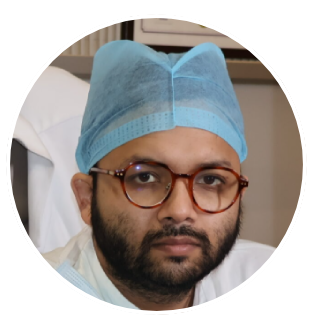
Dr Mannan IVF Centre
Experience world-class fertility care with Dr. Mannan Gupta at the Best IVF Centre in Delhi
The High-Risk Pregnancy Protocol: What to Expect ?
Your prenatal care will look different from a standard pregnancy. It is more intensive and structured.
- More Frequent Visits:
You will see me more often so we can track changes in real-time. - Detailed Ultrasounds:
We use high-resolution scans to monitor the baby’s growth, blood flow (Doppler studies), and organ development meticulously. - Genetic Screening:
We offer advanced testing like NIPT (Non-Invasive Prenatal Testing) or amniocentesis if there are concerns about chromosomal abnormalities. - Biophysical Profiles:
In the third trimester, we regularly check the baby’s movement, heart rate, and fluid levels to ensure they are thriving inside the womb.
Signs You Need Immediate Medical Attention
While we monitor you closely, it is vital to be aware of warning signs that require an immediate call to the clinic or a visit to the hospital:
- Severe headaches or blurred vision (signs of preeclampsia).
- Sudden or severe swelling in the face or hands.
- Vaginal bleeding or leaking of fluid.
- Decreased baby movements.
- Persistent abdominal pain or cramping.
Cost of High-Risk Pregnancy Care in Delhi
High-risk care involves more resources, specialized scans, and expert consultations. We believe in complete transparency regarding these costs so you can plan your finances without stress.
Service / Procedure | Approximate Cost in Delhi |
High-Risk Antenatal Consultation | ₹1,500 – ₹2,500 |
Level II (Detailed Anomaly) Scan | ₹3,000 – ₹5,000 |
Growth Scan with Colour Doppler | ₹2,500 – ₹4,000 |
NIPT (Genetic Screening) | ₹18,000 – ₹25,000 |
Cervical Cerclage (Stitch) Procedure | ₹35,000 – ₹55,000 |
High-Risk Delivery (Caesarean) | ₹80,000 – ₹1,50,000 |
Understanding the Cost Variation:
The total cost varies greatly depending on the specific complications.
A pregnancy managed with diet for diabetes will cost less than one requiring frequent hospital admissions or surgical interventions like cervical cerclage.
Delivery costs also vary based on the need for NICU (Neonatal ICU) support for the baby.
Why Choose Dr Mannan IVF Centre?
When the stakes are high, experience matters. You need a team that can handle emergencies with calm expertise.
- Continuity of Care:
As an IVF specialist and obstetrician, I understand the immense value of an “IVF pregnancy.” I bridge the gap between fertility treatment and delivery, ensuring no detail is lost in transition. - Advanced Fetal Medicine:
We have access to top-tier ultrasound technology and fetal medicine experts to monitor your baby’s health with exceptional clarity. - Multidisciplinary Approach:
We collaborate with endocrinologists, cardiologists, and neonatologists to build a safety net around you. - 24/7 Emergency Support:
High-risk pregnancies don’t keep office hours. Our team is prepared to handle emergencies swiftly, ensuring the safety of mother and child.
Emotional Support and Resilience
A high-risk pregnancy is emotionally taxing. You might feel like your body is failing you, or live in constant fear of “doing something wrong.”
We recognise this burden. Our care is not just clinical; it is deeply supportive. We take the time to answer every question, validate your fears, and celebrate every milestone with you.
We are your partners in this journey, offering reassurance when you need it most.
Conclusion
A “high-risk” label is not a prediction of a bad outcome; it is a call for exceptional care. It is about being prepared, being proactive, and being in the hands of experts who understand the delicate science of bringing a new life into the world safely.
At Dr Mannan IVF Centre in Delhi, we are dedicated to guiding you through the storm and bringing you safely to the shore—holding your healthy baby in your arms.
Your safety and your baby’s health are our priority.
If you have a pre-existing condition or have been told your pregnancy is high-risk, do not navigate it alone. Book a consultation with Dr Mannan Gupta today for expert, compassionate care.
Frequently Asked Questions (FAQs)
1. Can I have a normal delivery with a high-risk pregnancy?
Yes, absolutely. Many high-risk pregnancies, such as those with well-controlled gestational diabetes or thyroid issues, can result in a vaginal delivery. The mode of delivery depends on the specific risks to you and the baby at the time of labour.
2. Does IVF always result in a high-risk pregnancy?
Not always, but IVF pregnancies are monitored more closely. Factors often associated with IVF, like advanced maternal age or twins, can elevate the risk, but many IVF patients have completely uncomplicated pregnancies.
3. How often will I need ultrasound scans?
In a low-risk pregnancy, you might have 3-4 scans. In a high-risk pregnancy, especially with twins or growth concerns, you might need scans every 2-4 weeks in the third trimester to ensure the baby is growing well.
4. Is bed rest always required?
Strict bed rest is prescribed much less often these days as it can increase the risk of blood clots. We usually recommend “modified activity”—taking it easy and avoiding strenuous work—rather than complete bed rest, unless specifically indicated.
5. What is a Level II Scan?
Also known as the Anomaly Scan, this is a detailed ultrasound done around 18-20 weeks. It checks the baby’s anatomy from head to toe to rule out structural abnormalities. It is a critical milestone in high-risk care.
