
Male Infertility Treatment in New Delhi
Identify and treat sperm issues to improve natural or assisted conception rates. Regain confidence with effective solutions tailored to your unique needs.
Key Facts
- Male factor infertility
- Contributes 50%
- Sperm-related issues
- Often undetected
- Medically diagnosable
For any IVF / Fertility related query, concern or help, just call us
At Dr Mannan IVF Centre in New Delhi, we bring over 10 years of experience in helping couples navigate their fertility journey. We understand that fertility is a journey taken together.
While society often focuses on female factors, we know that male factors contribute to nearly half of all conception challenges. Facing a diagnosis of male infertility can feel isolating, but I want you to know that you are not alone, and more importantly, there are effective solutions available.
My goal here is to guide you through what male infertility really means, how we identify it, and the advanced treatments we offer right here in Delhi to help you build the family you dream of. We believe in clear, honest communication and medical care that puts your comfort and confidence first.
Exploring Male Infertility
Male infertility is simply a condition where a man has difficulty contributing to conception. It is not a reflection of masculinity or virility. Biologically, it usually means there are issues with the production, quality, or delivery of sperm.
For a pregnancy to occur naturally, sperm must be healthy, abundant, and able to travel effectively to meet the egg.
When any part of this complex process is disrupted, conception becomes difficult. The good news is that with modern reproductive medicine, we can overcome many of these hurdles.
Why is Male Infertility Rising?
You may have read news about declining sperm counts globally. In Delhi, we see similar trends often linked to urban lifestyle factors.
Whether you are seeking male infertility treatment in new delhi recognising these lifestyle factors is the first step toward taking control of your reproductive health.
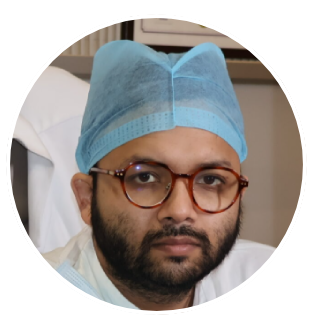
Dr Mannan IVF Centre
Experience world-class fertility care with Dr. Mannan Gupta at the Best IVF Centre in Delhi
Common Causes of Male Infertility
We approach diagnosis by looking at the whole picture. Infertility is rarely caused by one single thing; it is often a combination of factors.
Medical and Structural Causes
Sometimes, the body faces physical barriers. For men dealing with low sperm count treatment in Delhi or structural issues like varicoceles — swollen veins in the scrotum similar to varicose veins in legs — our targeted diagnostic approach helps identify the root cause quickly.
Infections, hormonal imbalances (like low testosterone), or blockages in the tubes that transport sperm can also be primary causes.
Genetic Factors
Our DNA plays a crucial role. Conditions like Klinefelter syndrome or Y-chromosome microdeletions can affect how the body produces sperm.
For men requiring azoospermia treatment in Delhi, understanding these genetic factors helps us choose the right assisted reproductive technology (ART) for you.
Lifestyle and Environmental Factors
Living in a bustling city like Delhi exposes us to specific risks. High stress levels, smoking, excessive alcohol consumption, and exposure to environmental toxins can all impact sperm health.
Even excessive heat exposure (like frequent saunas or keeping laptops on laps) can temporarily reduce sperm production.
Recognizing the Symptoms
Unlike many medical conditions, male infertility often has no obvious outward signs. The main “symptom” is the inability to conceive a child after a year of regular, unprotected intercourse.
However, some underlying issues might present warning signs:
- Difficulties with sexual function (such as difficulty maintaining an erection or low libido).
- Pain, swelling, or a lump in the testicle area.
- Decreased facial or body hair, which might suggest a hormonal imbalance.
If you notice any of these, or if you have been trying to conceive without success, scheduling a check-up is a proactive step forward.
How We Diagnose Male Infertility?
At our centre, we prioritise precision and comfort. We use a stepwise approach to understand exactly what is happening.
Semen Analysis
Our thorough sperm analysis evaluates a sample to check:
- Count: The number of sperm.
- Motility: How well the sperm swim.
- Morphology: The shape and structure of the sperm.
Hormonal Evaluation
A simple blood test allows us to check levels of testosterone, FSH (Follicle Stimulating Hormone), and LH (Luteinizing Hormone).
These hormones control sperm production, and imbalances here are often treatable.
Advanced Imaging
If physical examination suggests a structural issue, we may use a scrotal ultrasound. This safe, non-invasive test helps us see if there are varicoceles or other abnormalities in the testicles and supporting structures.
Our thorough Sperm analysis in New Delhi evaluates count, motility, and morphology to give us a precise picture of your reproductive health.
Parenthood Starts with One Brave Conversation
Schedule a consultation with Dr. Mannan Gupta for honest answers and personalized fertility care.
Treatment Options Tailored to You
Once we have a diagnosis, we create a personalised treatment plan. There is no “one size fits all” in fertility care.
Lifestyle Modifications
Sometimes, the best medicine is a lifestyle change. We may guide you on nutrition, exercise, and stress management techniques to naturally boost sperm quality. Quitting smoking is often the single most impactful change a patient can make.
Medical and Surgical Treatments
If we find a hormonal imbalance, medication can often restore normal sperm production. For structural issues like a varicocele, a minor surgical procedure can repair the veins and improve fertility outcomes significantly.
Assisted Reproductive Technology (ART)
For many couples, ART offers the highest success rates.
- IUI (Intrauterine Insemination): Useful for mild male factor issues, where we process sperm to concentrate the healthiest ones and place them directly into the uterus.
- IVF (In Vitro Fertilisation) with ICSI: This is a revolutionary treatment for severe male infertility. With Intracytoplasmic Sperm Injection (ICSI), we select a single, healthy sperm and inject it directly into an egg. This bypasses many natural barriers and has helped thousands of men become fathers.
Cost of Male Infertility Treatment in Delhi
We believe in complete transparency regarding costs. We know that financial planning is a big part of fertility treatment.
Treatment | Approximate Cost in Delhi |
Male Infertility Treatment | ₹50,000 – ₹1,50,000 |
Understanding the Cost Variation:
The range above reflects the diversity of treatment options. A simple course of hormonal medication or an IUI cycle will be at the lower end of the spectrum.
Complex cases requiring surgery (like TESE for sperm retrieval) or advanced IVF-ICSI cycles will naturally be at the higher end. During your consultation, we provide a detailed financial breakdown so there are no surprises.
Why Choose Dr Mannan IVF Centre?
As the leading male infertility centre in South Delhi, choosing a fertility clinic is a decision based on trust. Here is why patients in Delhi choose us:
- Dr Mannan Gupta’s Expertise: You are treated by a specialist who stays at the forefront of global reproductive medicine.
- Ethical, Personalised Care: We treat people, not just “cases.” We avoid unnecessary tests and focus on what will actually help you.
- Advanced Laboratory Technology: Our lab is equipped with the latest technology for sperm selection and embryo culture, crucial for ICSI success.
- Emotional Support: We know this is stressful. Our team provides counselling and emotional support to ensure you feel heard and cared for throughout the process.
Emotional and Preventive Care
We treat the emotional side of infertility with as much seriousness as the medical side. Male infertility can sometimes affect self-esteem or cause relationship strain.
Our counselling services are designed to help you navigate these feelings and maintain a strong partnership.
Preventive Awareness:
While some factors are genetic, protecting your fertility is possible. Maintaining a healthy weight, keeping the phone away from your pocket, avoiding steroids, and regular health check-ups are small steps that protect your future fertility.
Conclusion
Male infertility is a medical condition, not a life sentence. With the right diagnosis and expert intervention, the dream of fatherhood is very much achievable.
At Dr Mannan IVF Centre in New Delhi, we combine scientific excellence with genuine compassion to guide you through this journey.
Ready to take the next step?
Don’t let uncertainty delay your dreams. Book a consultation with Dr. Mannan Gupta, IVF Specialist in new delhi today and let us create a personalised roadmap to parenthood for you.
Frequently Asked Questions (FAQs)
1. Can stress really cause male infertility?
Yes, high levels of stress can interfere with the hormones needed to produce sperm. Managing stress through lifestyle changes is often a key part of our treatment plan.
2. Is IVF the only option for low sperm count?
Not necessarily. Depending on the severity, lifestyle changes, medication, or IUI might be effective. We only recommend IVF or ICSI if it gives you the best chance of success.
3. Does cycling or gymming affect sperm count?
Moderate exercise is good for fertility. However, extensive cycling (which can overheat the testicles) or using anabolic steroids at the gym can severely harm sperm production.
4. How long does male infertility treatment take?
Sperm regeneration takes about 3 months. Therefore, lifestyle changes or medications usually require at least 3 months to show results in a semen analysis.
5. Is the semen analysis test painful?
No, it is a non-invasive test. It simply involves providing a semen sample in a private, comfortable setting at our clinic.
