
Fertility Enhancing Surgery in New Delhi
Correct structural issues precisely to unlock natural fertility potential. Minimally invasive procedures mean faster healing and quicker paths to parenthood.
Key Facts
- Structural fertility issues
- Silent physical barriers
- Normal reports misleading
- Uterine environment matters
- Miscarriage risk linked
For any IVF / Fertility related query, concern or help, just call us
At Dr Mannan IVF Centre in New Delhi, I often meet couples who are puzzled. Their hormone tests are normal, the sperm count is good, yet pregnancy simply isn’t happening.
With over 10 years of experience in fertility treatments, I have found that in these cases, the barrier is often physical—a structural issue within the reproductive organs that is silently preventing conception or causing early miscarriages.
Hearing the word “surgery” can be frightening. I understand that anxiety completely.
However, I want to reassure you that fertility enhancing surgery is very different from traditional open surgery.
We use advanced, minimally invasive techniques to correct these physical barriers gently and precisely.
My goal is to prepare your body for pregnancy, ensuring that your uterus is the perfect, welcoming home for your future baby.
What is Fertility Enhancing Surgery?
Fertility enhancing surgery in new delhi refers to specialised procedures designed to correct anatomical problems in the uterus, fallopian tubes, or ovaries.
Unlike standard surgery where the goal might be to remove an organ (like a hysterectomy), our goal is always reconstructive and restorative.
Think of it as preparing a garden. Before you plant seeds (the embryo), you must ensure the soil is free of stones and weeds (fibroids or polyps) and that the fences (uterine walls) are sturdy.
These surgeries clear the path for the sperm to meet the egg and for the embryo to implant safely.
The Two Main Techniques We Use
We rely on two primary “gold standard” methods that allow us to see inside your body and operate with extreme precision.
1. Hysteroscopy (The “Inside” View)
This is a procedure where I pass a thin, telescope-like camera through the cervix into the uterus.
- No Cuts: There are absolutely no incisions or stitches on your abdomen.
- Diagnostic & Operative: We can diagnose a problem and often fix it in the same sitting.
- Painless: It is usually done under light sedation or short anaesthesia.
2. Laparoscopy (The “Keyhole” View)
This involves making tiny incisions (less than 1 cm) near the navel to insert a camera and specialised instruments.
- Full Pelvic View: It allows me to see the outside of the uterus, the fallopian tubes, and the ovaries.
- Minimal Scarring: The cuts are so small they are barely visible once healed.
- Fast Recovery: Most patients return to normal activities within 2-3 days.
Common Conditions We Treat
Not every structural issue needs surgery. I only recommend intervention if the condition is directly impacting your fertility.
Uterine Fibroids (Myomas)
These are benign muscle growths. While many fibroids are harmless, those growing inside the uterine cavity (submucosal) or distorting the uterus can prevent implantation. We remove these precisely to restore the shape of the uterus.
Endometrial Polyps
Polyps are soft, finger-like overgrowths of the uterine lining. They can act like a natural contraceptive coil, preventing an embryo from settling.
Hysteroscopic removal is simple and dramatically improves pregnancy rates.
Uterine Septum
Some women are born with a “septum,” a fibrous wall dividing the inside of the uterus.
This is a leading cause of recurrent miscarriage because the septum lacks the blood supply needed to support a growing pregnancy.
We can cut this septum hysteroscopically to create a unified, healthy cavity.
Blocked Fallopian Tubes
Through laparoscopy, we can sometimes open blocked tubes (tubal cannulation) or free them from scar tissue so they can pick up the egg effectively.
Endometriosis and Adhesions
Endometriosis can cause organs to stick together with scar tissue (adhesions).
We carefully separate these adhesions to restore normal anatomy, which can reduce pain and improve fertility.
Benefits of Fertility Enhancing Surgery
Choosing a fertility specialist for these surgeries is crucial. A general surgeon might remove a cyst but accidentally damage healthy ovarian tissue, reducing your egg reserve.
As a fertility specialist in New Delhi, my priority is preserving every bit of your healthy tissue.
- Improved Conception Rates:
Removing barriers often allows for natural conception or higher success rates with IUI/IVF. - Reduced Miscarriage Risk:
Correcting uterine anomalies like a septum significantly lowers the risk of pregnancy loss. - Quick Recovery:
Our minimally invasive approach ensures you are back on your feet quickly, minimizing disruption to your life. - Diagnostic Clarity:
Sometimes, scans miss small issues. Surgery gives us the definitive diagnosis.
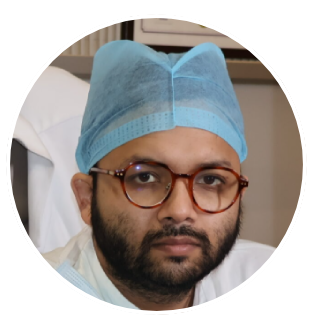
Dr Mannan IVF Centre
Experience world-class fertility care with Dr. Mannan Gupta at the Best IVF Centre in Delhi
Cost of Fertility Enhancing Surgery in Delhi
We believe in ethical, transparent pricing. You will never be billed for hidden costs.
Procedure | Approximate Cost in Delhi |
Diagnostic Hysteroscopy | ₹20,000 – ₹35,000 |
Operative Hysteroscopy (e.g., Polyp/Septum) | ₹35,000 – ₹60,000 |
Diagnostic Laparoscopy | ₹40,000 – ₹60,000 |
Operative Laparoscopy (e.g., Fibroid/Cyst) | ₹60,000 – ₹1,20,000 |
Understanding the Cost Variation:
The cost range depends on the complexity of your specific surgery. A simple diagnostic procedure is at the lower end, while more extensive work—such as removing multiple large fibroids or treating severe endometriosis—increases the cost due to the additional time, advanced equipment, and anaesthesia required.
To get an accurate, personalized cost for your treatment, please contact our clinic for a detailed consultation.
Parenthood Starts with One Brave Conversation
Schedule a consultation with Dr. Mannan Gupta for honest answers and personalized fertility care.
Why Choose Dr Mannan IVF Centre?
Surgery is a matter of trust. Here is why patients in Delhi trust their fertility surgeries to us:
- Surgeon & Specialist in One:
I perform the surgeries myself. This ensures seamless continuity of care—the person operating is the same person helping you conceive afterwards. - Fertility-First Approach:
Every cut and every decision in the operating theatre is made with the single goal of protecting and enhancing your future fertility. - State-of-the-Art Technology:
We use high-definition cameras and advanced energy sources (like harmonic scalpels) to ensure precision and safety. - Safety Protocols:
We adhere to strict international safety standards to ensure zero infection rates and optimal outcomes.
Emotional Support and Recovery
We know that waiting for surgery can be stressful. We focus on comprehensive care:
- Pre-Op Counselling: We explain exactly what will happen, so there are no surprises.
- Comfortable Environment: Our recovery rooms are designed to be peaceful and private.
- Post-Op Care: We monitor you closely after the procedure and provide clear instructions for home care.
Preventive Care:
Addressing pelvic infections promptly and managing conditions like endometriosis early can prevent severe scarring that necessitates surgery later.
Regular check-ups allow us to catch issues like polyps while they are small and easily manageable.
Conclusion
Fertility enhancing surgery is often the turning point in a couple’s journey. It clears the path, removes the obstacles, and resets the clock for your reproductive health.
It is not just about fixing a problem; it is about opening the door to new possibilities.
At Dr Mannan IVF Centre, we combine surgical precision with deep compassion to help you take this vital step towards parenthood.
Ready to clear the path to your family?
If you suspect a physical issue is holding you back, let’s find the answer. Book a consultation with Dr. Mannan Gupta IVF Specialist, today to discuss if fertility enhancing surgery is right for you.
Frequently Asked Questions (FAQs)
1. Will surgery leave a big scar?
No. Laparoscopy uses tiny incisions (0.5 to 1 cm) that heal very well and are often barely visible. Hysteroscopy leaves no external scars at all as it is done through the natural passage of the cervix.
2. How long do I need to rest after surgery?
For diagnostic procedures, most women can return to work within 24 to 48 hours. For more complex operative surgeries (like removing large fibroids), we might recommend resting for 3 to 7 days.
3. Is it painful?
You will be under anaesthesia during the surgery, so you will feel no pain. Afterwards, you might experience mild cramping (like period pain) or shoulder tip pain (from the gas used in laparoscopy), which usually resolves within 24 hours. Simple painkillers are very effective.
4. When can I try for pregnancy after surgery?
This depends on the surgery. For simple polyp removal, you can often try in the very next cycle. For larger surgeries like fibroid removal, we may advise waiting 3 to 6 months to allow the uterus to heal completely.
5. Are there risks involved?
As with any surgery, there are minor risks like infection or bleeding, but these are extremely rare in minimally invasive procedures performed by experts. We take every precaution to ensure your safety.
