
Azoospermia Treatment in Delhi
Retrieve viable sperm surgically for fatherhood via IVF-ICSI even with zero counts. Advanced techniques like TESE offer hope without donor dependency.
Key Facts
- Zero sperm ejaculate
- Sperm may exist
- Advanced retrieval possible
- Micro-TESE effective
- ICSI enables conception
For any IVF / Fertility related query, concern or help, just call us
A semen analysis showing no sperm can be difficult to understand, but azoospermia does not always mean that sperm cannot be found or that biological fatherhood is impossible.
The next step is to identify why sperm are absent from the semen and whether sperm production is present inside the testicles.
At Dr Mannan IVF Centre, Dr. Mannan Gupta evaluates the possible cause of azoospermia before deciding whether medical treatment, surgical sperm retrieval, or assisted reproduction such as IVF with ICSI may be appropriate.
Understanding Azoospermia
Azoospermia means that sperm are not detected in the semen. It is different from having a low sperm count, where sperm are present but their number is below the expected range.
The important point is that the absence of sperm in semen does not by itself tell us whether the testicles are producing sperm.
In some men, sperm production is occurring normally but sperm cannot reach the ejaculate because of a blockage.
In others, sperm production inside the testicles is severely reduced. There can also be hormonal or genetic causes that require specific evaluation.
This is why azoospermia treatment should begin with identifying the underlying cause rather than choosing a procedure based only on the semen report.
The Two Types of Azoospermia
Azoospermia is broadly divided into obstructive azoospermia and non-obstructive azoospermia.
1. Obstructive Azoospermia
In obstructive azoospermia, the testicles may continue to produce sperm, but a blockage prevents sperm from reaching the semen.
Possible causes can include previous vasectomy, certain infections, scarring, congenital absence of the vas deferens or other problems affecting the reproductive tract.
Because sperm production may be preserved, treatment may involve correction of the obstruction in selected patients or sperm retrieval from the epididymis or testicle for use in assisted reproduction.
2. Non-Obstructive Azoospermia
In non-obstructive azoospermia, the main concern is impaired sperm production within the testicles.
Possible causes include certain genetic conditions, hormonal problems, previous testicular injury, undescended testicles, chemotherapy or radiation exposure and other conditions affecting sperm production.
Treatment planning is more individualised in these cases. Depending on the findings, medical treatment or surgical sperm retrieval such as Micro-TESE may be considered.
The distinction between obstructive and non-obstructive azoospermia is important because it can change which treatment options are appropriate.
Symptoms and Warning Signs
Azoospermia often does not cause obvious symptoms. Many men discover it only when they undergo a fertility evaluation.
Depending on the underlying cause, some men may have signs such as:
- Reduced sexual desire
- Erectile difficulties
- Changes in testicular size
- Testicular discomfort or swelling
- Reduced facial or body hair when a hormonal problem is present
- A history of testicular surgery, infection, injury or previous fertility treatment
These symptoms are not present in every patient. A normal sexual function or normal-looking semen does not confirm that sperm are present.
If a semen report shows no sperm, consultation with a male fertility or reproductive medicine specialist can help determine the next step.
Diagnosis: Finding the Root Cause
The appropriate treatment depends on the cause of azoospermia and whether sperm production is present.
1. Medical Management
If a hormonal disorder is affecting sperm production, treatment may sometimes involve correcting the underlying hormonal problem.
This approach is different from simply taking testosterone. Testosterone treatment can suppress sperm production, so men trying to conceive should discuss fertility with a specialist before starting or changing hormonal medication.
2. Surgical Sperm Retrieval
When sperm are being produced but are not reaching the semen, or when only small areas of sperm production may remain in the testicle, a sperm retrieval procedure may be considered.
Depending on the cause, options can include:
- PESA
- TESA
- TESE
- Micro-TESE
For obstructive cases, sperm may be obtained from the epididymis or testicle. In non-obstructive azoospermia, Micro-TESE for non-obstructive azoospermia may be considered when sperm retrieval is appropriate. Current male-infertility guidance recommends microdissection TESE for men with non-obstructive azoospermia undergoing sperm retrieval.
Sperm retrieval does not guarantee that sperm will be found. The likelihood depends on the underlying cause and the individual clinical situation.
3. IVF with ICSI
When viable sperm are retrieved but their number is too low for conventional fertilisation, IVF-ICSI may be used.
ICSI involves injecting a selected sperm directly into an egg during an IVF cycle. This allows the fertility team to use a very small number of retrieved sperm for fertilisation.
The female partner also requires an appropriate fertility assessment because IVF treatment planning involves both partners.
For more information about surgical sperm retrieval procedures, patients can also review the centre’s surgical sperm retrieval treatment information.
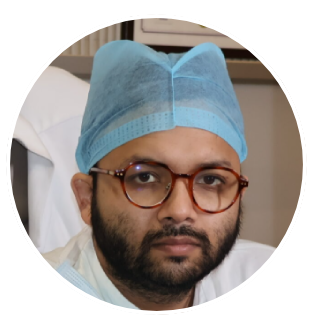
Dr Mannan IVF Centre
Experience world-class fertility care with Dr. Mannan Gupta at the Best IVF Centre in Delhi
Can Azoospermia Treatment Help With Biological Fatherhood?
It can be possible in selected cases, but it depends on the cause of azoospermia and whether usable sperm can be obtained.
If sperm production is preserved in obstructive azoospermia, sperm may sometimes be retrieved or the obstruction may be treated. In selected cases of non-obstructive azoospermia, sperm retrieval may also be considered.
However, no azoospermia treatment can guarantee sperm retrieval or pregnancy. A specialist needs to assess the individual cause before discussing realistic options.
What Determines Which Treatment Is Right for Me?
Your treatment plan may depend on:
- Your age and fertility history
- Results of repeated semen analysis
- FSH and other relevant hormone levels
- Testicular size and examination findings
- Whether an obstruction is suspected
- Previous surgery, infection or injury
- Genetic test results when indicated
- Previous fertility treatment
- The fertility assessment of your partner
The aim is to avoid unnecessary procedures and choose an approach that fits your diagnosis and reproductive goals.
Parenthood Starts with One Brave Conversation
Schedule a consultation with Dr. Mannan Gupta for honest answers and personalized fertility care.
Cost of Azoospermia Treatment in Delhi
The Azoospermia Treatment Cost depends on the underlying cause and the treatment required. The existing treatment information at Dr Mannan IVF Centre lists the following approximate costs in Delhi:
Treatment / Procedure | Approximate Cost in Delhi |
Surgical Sperm Retrieval (PESA/TESA) | ₹15,000 – ₹25,000 |
Micro-TESE (Advanced Retrieval) | ₹60,000 – ₹1,00,000 |
Genetic Testing (Karyotype/Y-deletion) | ₹8,000 – ₹15,000 |
IVF with ICSI Cycle | ₹1,25,000 – ₹1,75,000 |
These are approximate costs and do not mean that every patient will require every procedure listed above.
The final expense may depend on the diagnostic evaluation, type of sperm retrieval required, medical treatment, IVF protocol and the individual treatment plan. The IVF-ICSI component may also depend on the female partner’s treatment requirements.
For a personalised estimate, discuss your reports and treatment plan with the fertility team before proceeding.
Why Choose Dr Mannan IVF Centre?
Azoospermia requires evaluation of the male reproductive system as part of the couple’s fertility assessment.
At Dr Mannan IVF Centre, Dr. Mannan Gupta is an IVF Specialist and Obstetrician-Gynaecologist / Specialist in Reproductive Medicine. Consultation can focus on understanding the semen report, identifying the possible cause of azoospermia and discussing suitable treatment options.
The treatment plan may involve:
- Evaluation of the male fertility history
- Appropriate diagnostic testing
- Assessment for obstructive or non-obstructive causes
- Medical treatment when indicated
- Surgical sperm retrieval when appropriate
- IVF-ICSI when required
- Discussion of alternative options when sperm cannot be retrieved
The goal is to make treatment decisions based on your diagnosis rather than assuming that the same procedure is suitable for every man.
Emotional Support and Resilience
A diagnosis of azoospermia can affect both partners emotionally, particularly when it is discovered during an infertility evaluation.
It is important not to blame yourself or assume that the diagnosis automatically means there are no options. A proper evaluation can clarify whether sperm production is present, whether an obstruction can be addressed and whether assisted reproductive treatment may be suitable.
If the evaluation identifies a genetic cause, your doctor may also discuss genetic counselling and possible implications for future children.
Lifestyle changes such as avoiding anabolic steroids, stopping smoking and maintaining a healthy weight can support general reproductive health, but they cannot reverse every cause of azoospermia.
What Should You Do Next?
If a semen analysis has shown zero sperm, the next step is to understand why sperm are absent before deciding on treatment.
A consultation with Dr. Mannan Gupta can help you review your semen reports, medical history and relevant investigations. If you are looking for an azoospermia specialist in Delhi, you can book an appointment with Dr Mannan IVF Centre in New Delhi to discuss your treatment options.
Frequently Asked Questions (FAQs)
1. Can azoospermia be treated?
Yes, depending on the cause. Some cases may be treated medically or surgically, while others may require sperm retrieval and assisted reproduction. The appropriate approach depends on whether the azoospermia is obstructive, non-obstructive or related to another condition.
2. Can a man with zero sperm count have a biological child?
Yes, biological fatherhood may be possible for some men with azoospermia if usable sperm can be found through appropriate treatment or sperm retrieval. However, sperm retrieval and pregnancy cannot be guaranteed.
3. What tests are needed for azoospermia?
Testing varies between patients. Your doctor may recommend repeat semen analysis, physical examination, hormonal evaluation and genetic testing when indicated. Imaging may also be used when clinically appropriate.
4. When is Micro-TESE used for non-obstructive azoospermia?
Micro-TESE may be considered when a man with non-obstructive azoospermia requires surgical sperm retrieval. It uses microscopic examination of testicular tissue to look for areas that may contain sperm. The decision depends on the individual diagnosis.
5.Can sperm be retrieved if there is no sperm in semen?
Sometimes. Azoospermia means sperm are not found in the ejaculate, but some men may still have sperm production inside the testicles or epididymis. Depending on the cause, procedures such as TESA, TESE, PESA or Micro-TESE may be considered.
6. How much does azoospermia treatment cost in Delhi?
The cost depends on the treatment required. At Dr Mannan IVF Centre, the listed approximate costs include ₹15,000–₹25,000 for PESA/TESA, ₹60,000–₹1,00,000 for Micro-TESE, ₹8,000–₹15,000 for listed genetic testing and ₹1,25,000–₹1,75,000 for an IVF-ICSI cycle. Your actual treatment plan may involve different investigations or procedures.
7. Can azoospermia be caused by a genetic condition?
Yes. Some genetic conditions can affect sperm production or cause congenital obstruction. When genetic testing identifies a relevant condition, genetic counselling can h
